Years ago I noticed a developing hole in my jeans, from the corner of my phone rubbing against the fabric in the pocket. I had no attachment to those jeans; I had just worn them for years so they were comfy, and they had a perfect place to put my little Nokia.
But as soon as I sewed the cute little flower patch onto the hole by my hip, they instantly became my favorite jeans. I loved them and kept them for years after I could not fit my hips into them anymore.
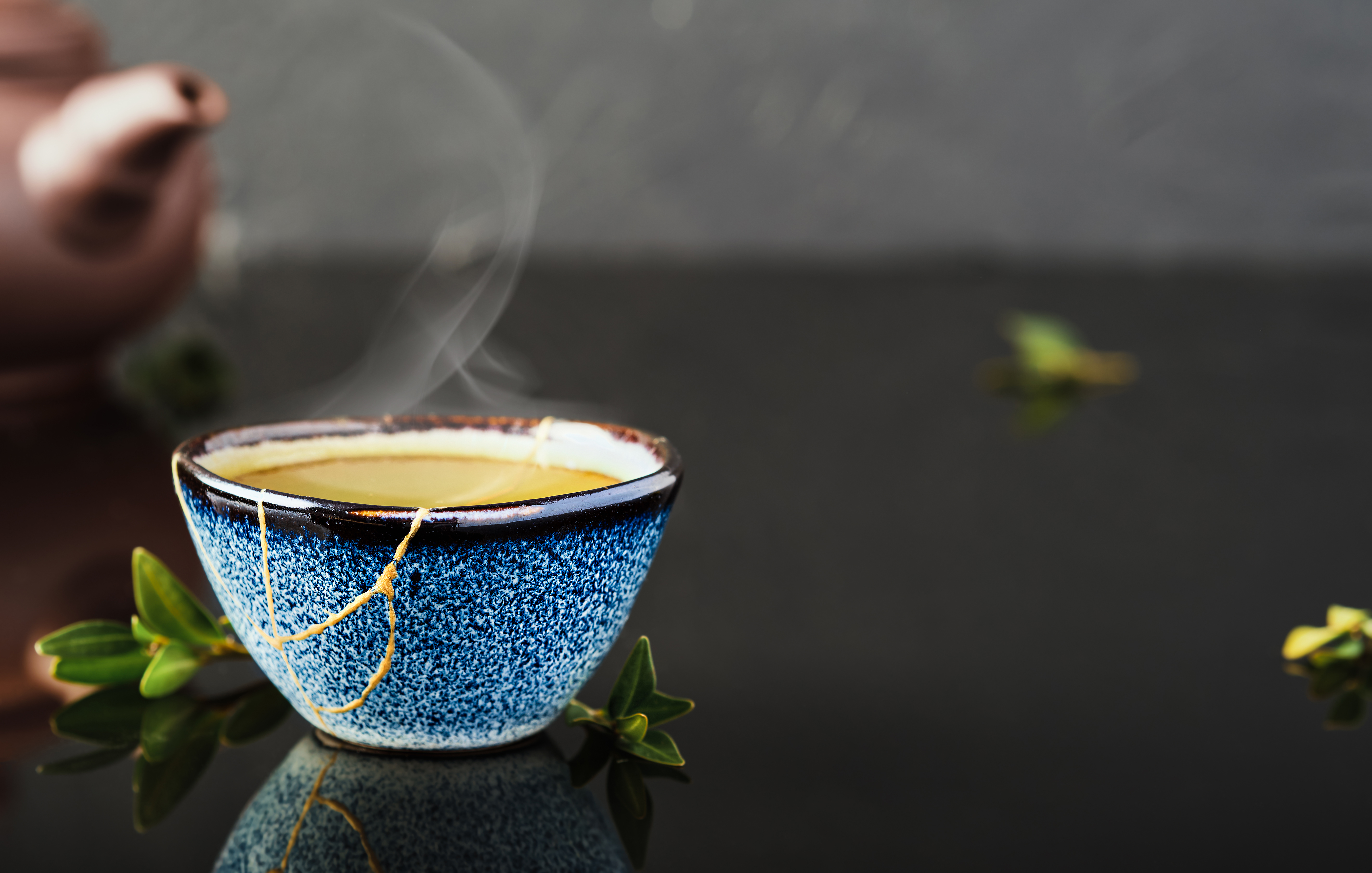
When we put effort into preserving, fixing, strengthening, and reinforcing something, it becomes more valuable to us, no? It could be old furniture, hand me down dresses, kintsugi pottery, or relationships. When we care about something, when it’s important to us, and when it’s irreplaceable, we repair it when it breaks. Which relationships in your life fit this description? Renowned relationship researchers John and Julie Gottman posit that repair after rupture makes us stronger together.
Looking back on nearly thirty years of marriage, now that the kids are out of the house, I think I see more clearly, and with new perspective, how much Hubs and I have really worked at this union. We are very different people who approach almost everything from polar opposite perspectives. I shake my head a little in amazement that we have lasted this long, honestly. But now I feel confident that we can last even longer, having basically grown up together. Each of us would not be who we are today if not for the other. And that’s pretty awesome because I really like who we are, individually and together.
***SPOILER ALERT*** If you have not read or listened to Nicola Tyche‘s Crowns trilogy, You may want to skip to the end here–after the Builders image.
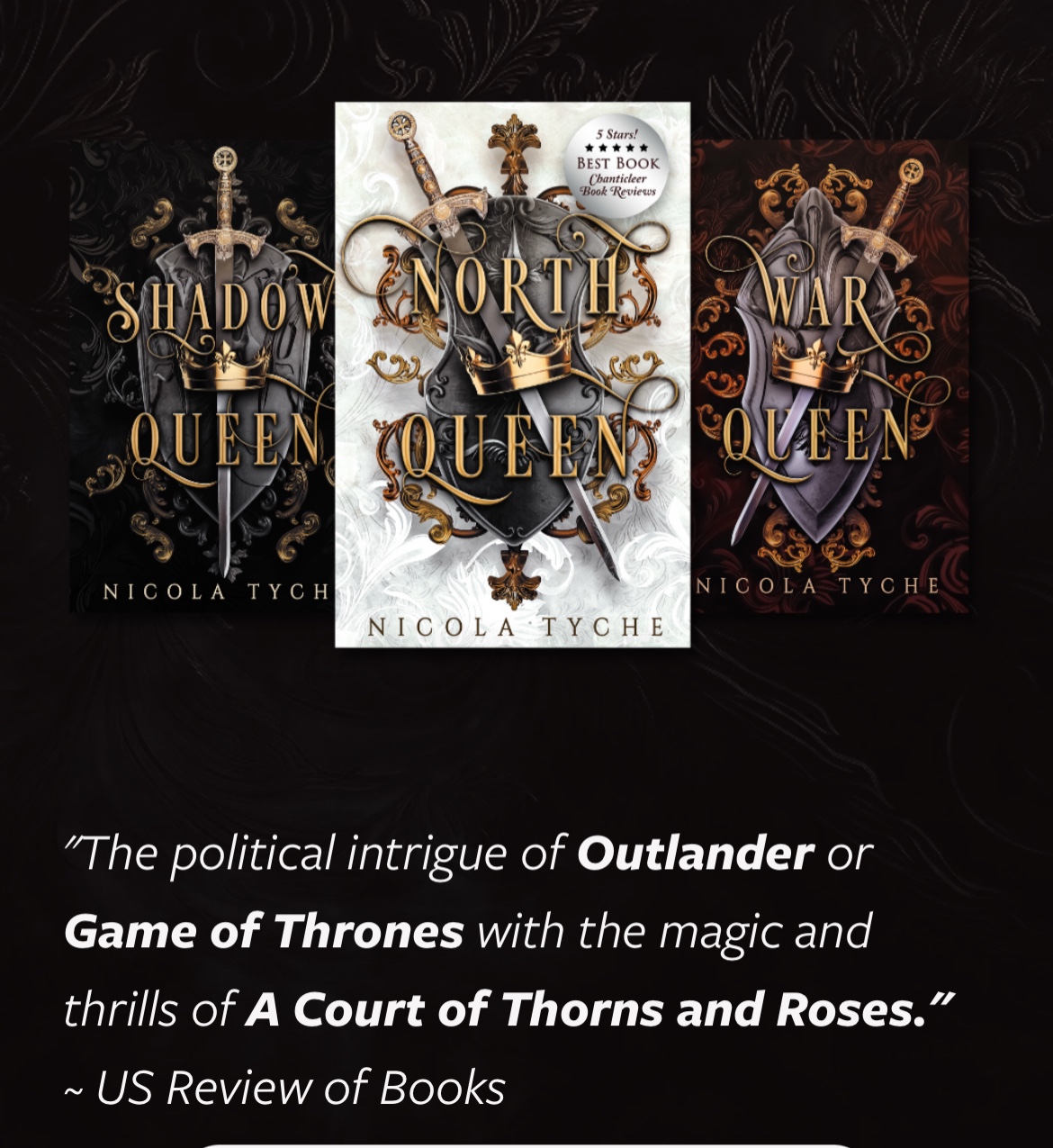
As I think on the development and evolution of intricate relationship webs in this series, I marvel at the multiple, redundant, and quintessentially human conflicts between characters and their ultimate resolutions. As they persist and progress through the complex morass of emotions, uncertainty, and high stakes political intrigue, each main character grows in self-awareness, self-regulation, and effective communication. They learn about themselves and one another by observation, earnest reflection, and counsel from trusted confidants. Over years they feel out how to interpret one another’s words and actions. All of them speak impulsively and act out in times of distress. They get angry, fearful, and hurt; things rupture, sometimes severely. But bids for connection and repair occur consistently and more strongly than their divisions. Throughout the series, we witness and empathize with the characters’ ambivalence and resistance when duty trumps desire, loyalties compete, and circumstances force them to make heartbreakingly difficult choices. I could write a whole post for each of the relationship dyads below, they are all so lovingly and humanely written. But I challenge myself here to distill to one line each core relational essence. Every instance of repair and connection in this epic story elevates my oxytocin and serotonin; this must be why I return to it over and over, and why each listen lifts me just as much as every one before it.
Norah – Alexander: Tragically fated un-mates, redefining romantic to deep Agape love
Norah- Mikhail: Enemies to strategic allies to pair bonded souls in transcendent commitment
Norah-Soren: Slow, steady, and strong evolution of deep platonic love despite wildly divergent dispositions
Mikhail-Soren: Fierce love and loyalty tested to its limits and bonded ever more strongly for it
Alexander-Soren: Mortal enemies to honored brothers, by way of protecting Norah and mutual commitment to integrity, overcoming the greatest barrier to connection of the whole story
Norah-Catherine: Generational, political, and cultural discord overcome by loyalty and love
Alexander-Adrian: Fraternal love that mitigates friction and integrates the traditional with the progressive
All relationships experience rupture. Which ones do you repair consistently? How have these conflicts and resolutions evolved over time? When we consider losing these relationships, after all we have invested to maintain and uphold them, what would that loss mean for our individual and mutual wholeness? On the other hand, when unrepaired ruptures fester and cumulatively fray the weave of a relationship’s fabric, when that connection finally disintegrates, it’s a whole other experience, an entirely different sense of regret, no?
I don’t assign right/wrong or better/worse to either scenario.
I just wish for us all to see, feel, and communicate more clearly and intentionally in our most valuable relationships, so that love may always repair and overcome ruptures from anger, prejudice, fear, resentment, loneliness, and the like. Life is just better that way.
 Healing Through Connection
Pingback: In Person, Face to Face, One on One: Crowns Lesson #3 | Healing Through Connection