
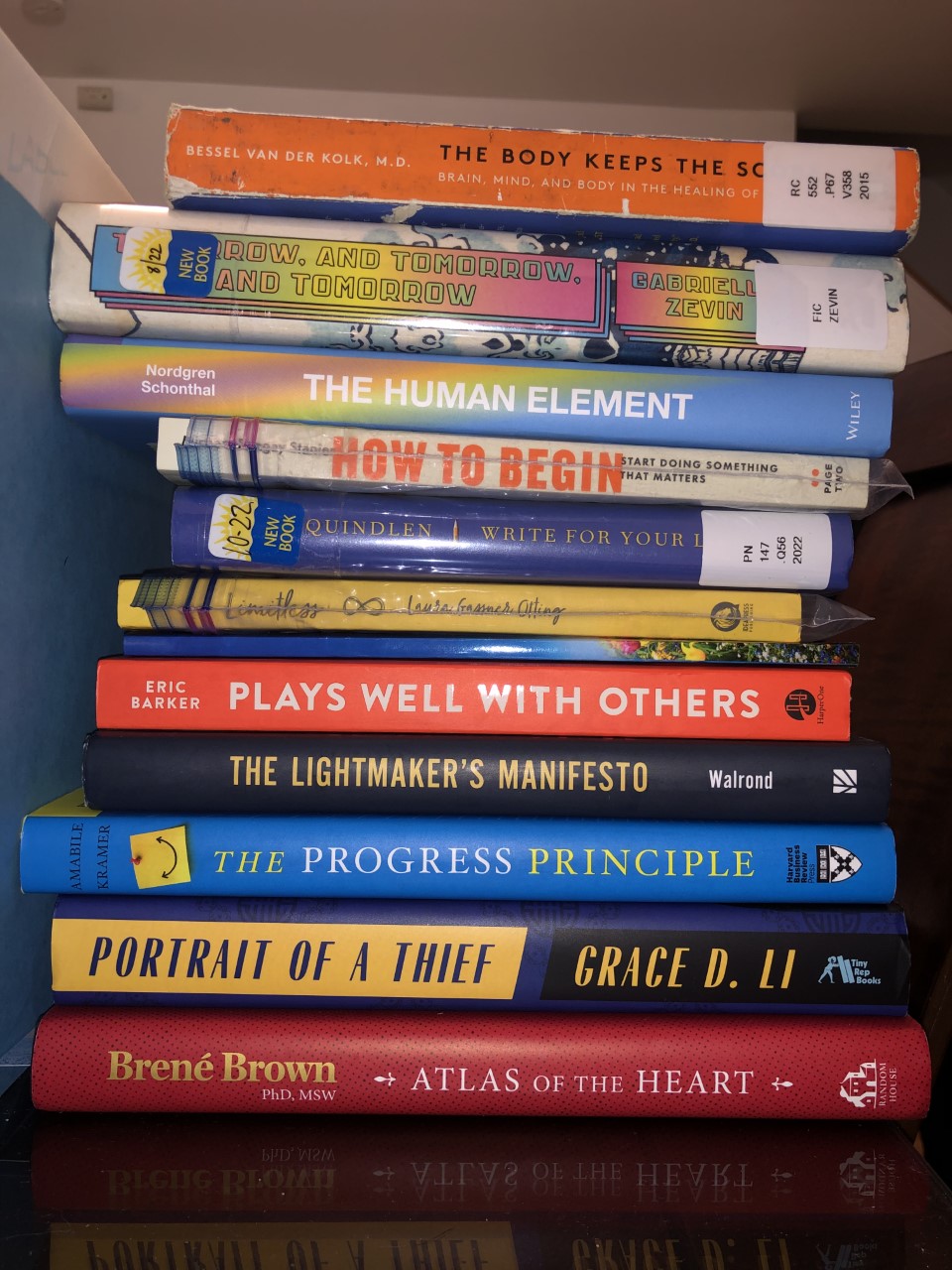
Friends, what are you reading these days?
How have your reading patterns evolved?
How and what we read in general is very different now from even ten years ago, let alone 20 or 30, no?
What’s good about my reading right now?
–I read no political opinion and very little news anymore. I’m still informed, and my life is much better this way.
–I read on digital devices as well as print now. I have the Everand (formerly Scribd), Kindle, and BookFunnel apps, so I always have a bevy of titles to read wherever I go, all in few ounces of iPhone.
–I can get pretty much any book I want within seconds or days, depending on the format. That’s pretty amazing.
–My reading habits are happily looser now. I allow myself to not finish books that don’t resonate. I let myself skim. This makes me surprisingly fearless about starting any book (who knew one could have that fear?), freed from obligation.
–I consume many more genres than ever; my perspective widens and I learn so much more.
What could be better?
–I want to retain more of what I consume. Although I may do better than I realize. I started listening to Master of Change by Brad Stulberg and bought the hardcover halfway through so I could mark it up, really absorb it. Turns out I had already soaked up the parts that mattered. Maybe it’s about repetition. I have listened to my favorite books multiple times, and each time something different stands out, depending on the current state of my life, deepening my relationship with the authors’ concepts and practices. At least I’ve stopped rushing through audiobooks at 1.2x speed. 1x is fine now, unless I’m cramming for book club, then it could be 2x+.
–Still working on discipline. I fantasize about reading and writing every day… And I mean eyeball reading here, which would require me to be still and do nothing else. Okay blog and book work first; one thing at a time. Maybe start small—two to three short eyeball sessions a week?
–I need more bookshelves, or to donate the books I don’t want… Likely both. My books deserve better than to live in random (though neat) piles all over my house. Goal by 12/31/2023.
—-
What’s good about our reading as a society?
Access. It boggles me how easily we can obtain any written content. YAAAYY! Paywalls not withstanding and with reliable internet service, we could spend our whole lives reading any article from any news outlet, magazine, or blog, and so many sources, on our little handheld computers. When I want a book, I look first on the public library site. They often have it in print, large print, downloadable audiobook, and CD audiobook. If it’s at a far away branch, I can ask to transfer it to my neighborhood and be notified on its arrival. If all copies are in use, I can place a hold and be notified when it’s available. If they don’t have it, I look on Everand to see if it’s included in my membership. If not, the app will show me related books, podcast episodes, and news or magazine articles. If it’s not there, I can search Bookshop.org or my local indie bookstore sites to see if they have or can order it. If I still can’t find it, I can go on Amazon. Once there, I can see availability in print, or on Kindle, Audible, and Whispersync. In print, Amazon will link to new and used copies from other vendors. I add books to my wish list and receive notifications when they go on sale. And sometimes a title I want will be included in my Audible membership for a limited time. There is even an app on my phone that will read me whatever text is currently on my screen. And the Pocket app lets me save articles to read or reference later. Ho.ly.Cow. Amazing.
What could be better?
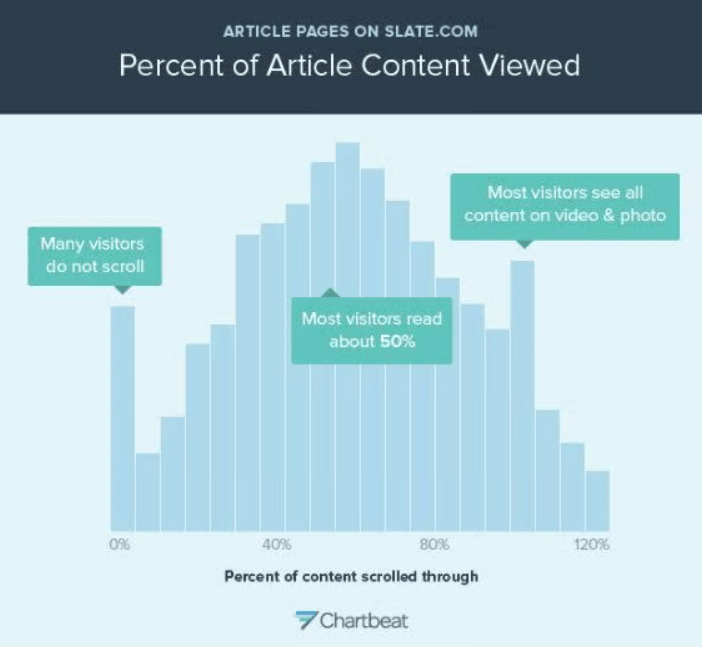
Read to the end. How many words/minutes/pixels(!?) do you read before you abandon a news or interest article? According to Slate, where I saw the graphic above, most online readers get through about half of the articles they open. Interesting also is that many comment and share without reading to the end. I did this with the link around ‘very little news’ above. Mark Manson warns how long the article is by giving a table of contents at the top (It really is quite long, I scrolled to the end and it looks really good, typical Manson). I’ll read the whole thing; right now I’ gotta get this post published [edited to add: read it through; highly recommend]. I just feel good that the title validates my behavior. I did fully read the Slate, TIME, and MarketingDive articles I found by searching “how many minutes before american readers abandon an article”. I generally try to read whole articles before sharing, and if they’re long, I’ll include my favorite excerpts in my Facebook posts so friends don’t have to read the whole thing if they don’t want to. The analytics on this blog show that readers rarely click all the links I include. That’s okay, I do it for me as much as for you. But I think we’d all be better off if we took (and it must be taken) the time to read longer and more in depth.
Vet. The downside of access to vast information, obviously, is the widely variable quality of that information. If you’re looking for reliable medical information, stick with WebMD and the big academic medical centers—look for ‘.edu’. Mayo Clinic, Cleveland Clinic, and the University of San Francisco all publish excellent articles on myriad symptoms and conditions. For guidelines, go to the US Preventive Services Task Force. Look at the ‘about’ page on any website; sometimes even then it can be hard to know what a given group’s agenda or funding source. That’s when I search about the organization itself. I rarely take advice from any site that’s trying to sell a product.
Vetting information of any kind takes time. Mostly it must be done by reading. If we’re going to be a truly well-informed citizenry and electorate, however, it must be done.
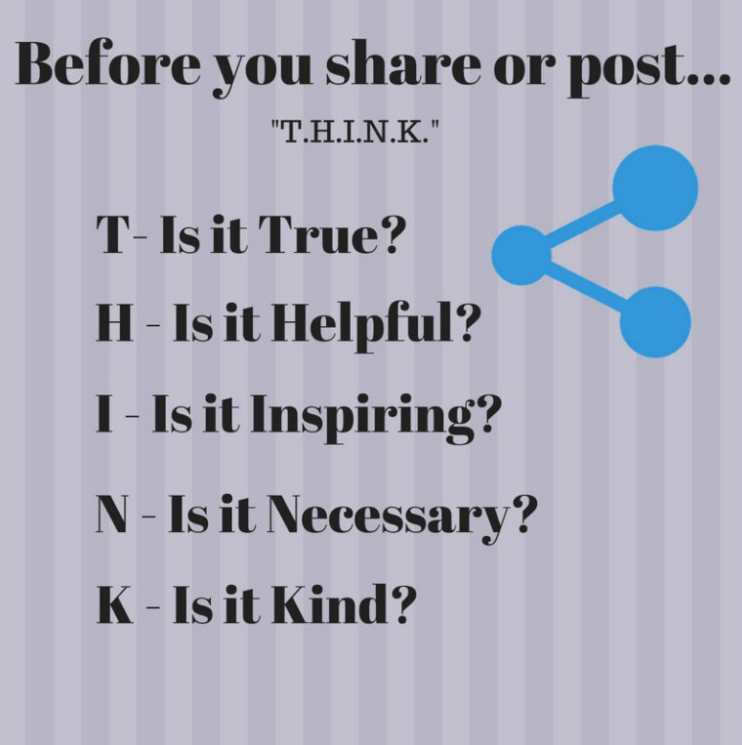
Share in service of connection. I still fall into the trap of rage posting, thankfully less now than before. Let us all be more mindful, yes? Before sharing on social media, or emailing and text blasting our friends, let us THINK: What will this accomplish? How does this make our day/life better? How am I impacting others by putting this on their consciousness? I’m not saying we should not commiserate over common grievances. But let’s gather our information with more depth, process and digest it a while, and then discuss calmly in personal conversation? Maybe over a healthy meal?
Both individually and collectively, we need to slow down, select our information sources thoughtfully, engage with worthy sources mindfully, manage our impulses better, and make time for deeper, more meaningful and critical understanding of what we read. The ultimate benefit of this is elevation of our knowledge, our conversations, and thus our connections, locally and at scale.
Read on, my friends.
 Healing Through Connection