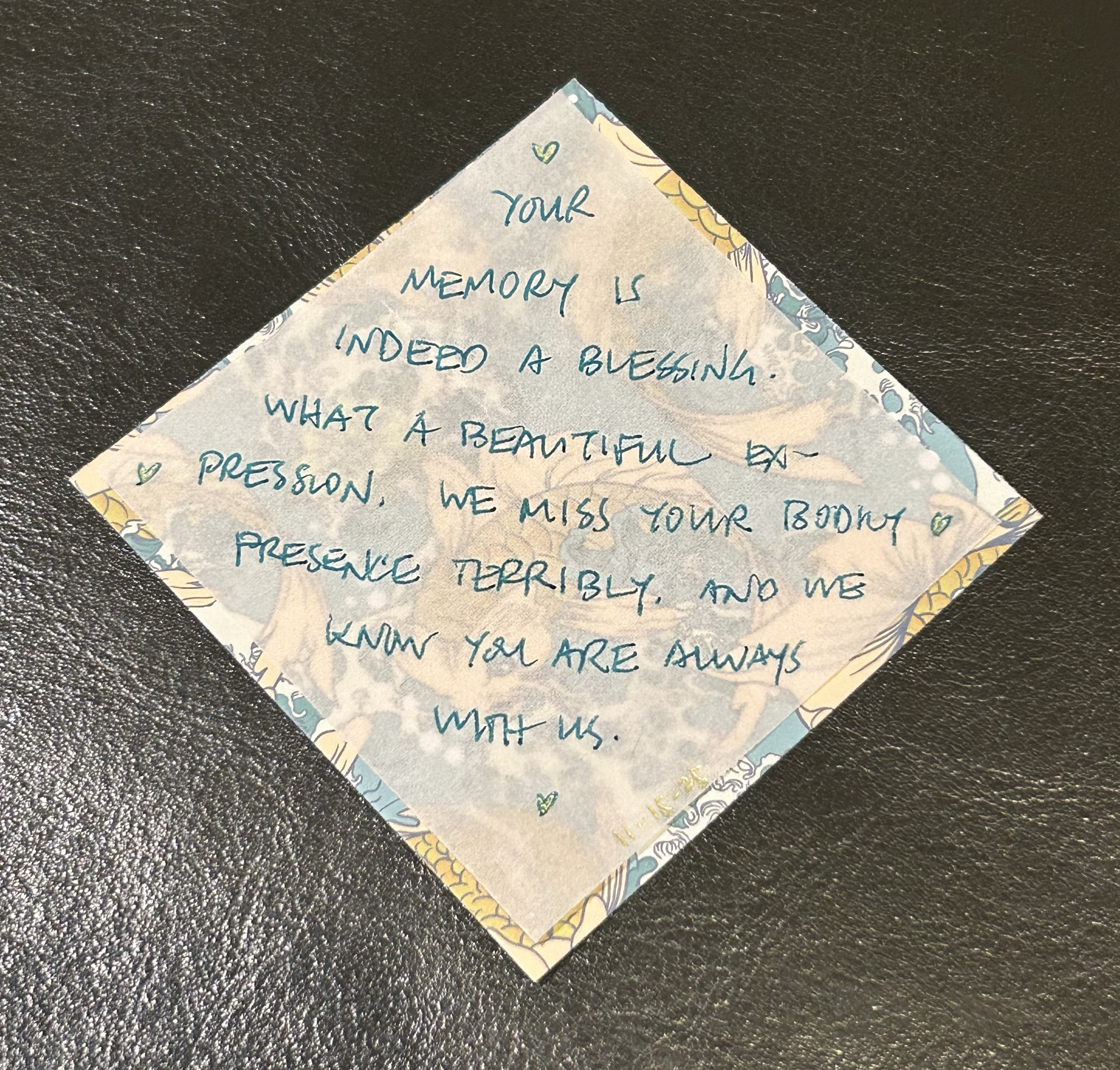
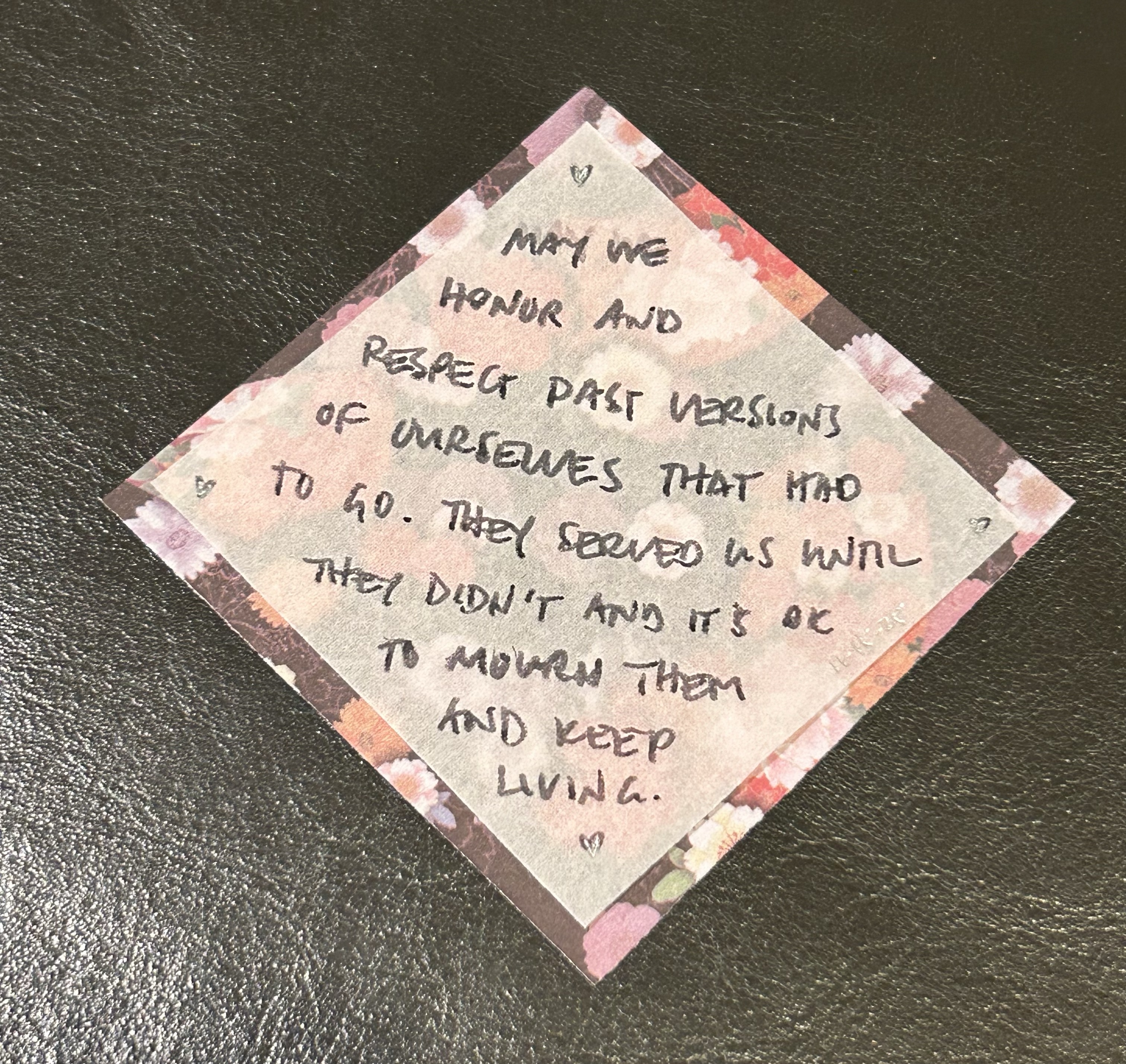
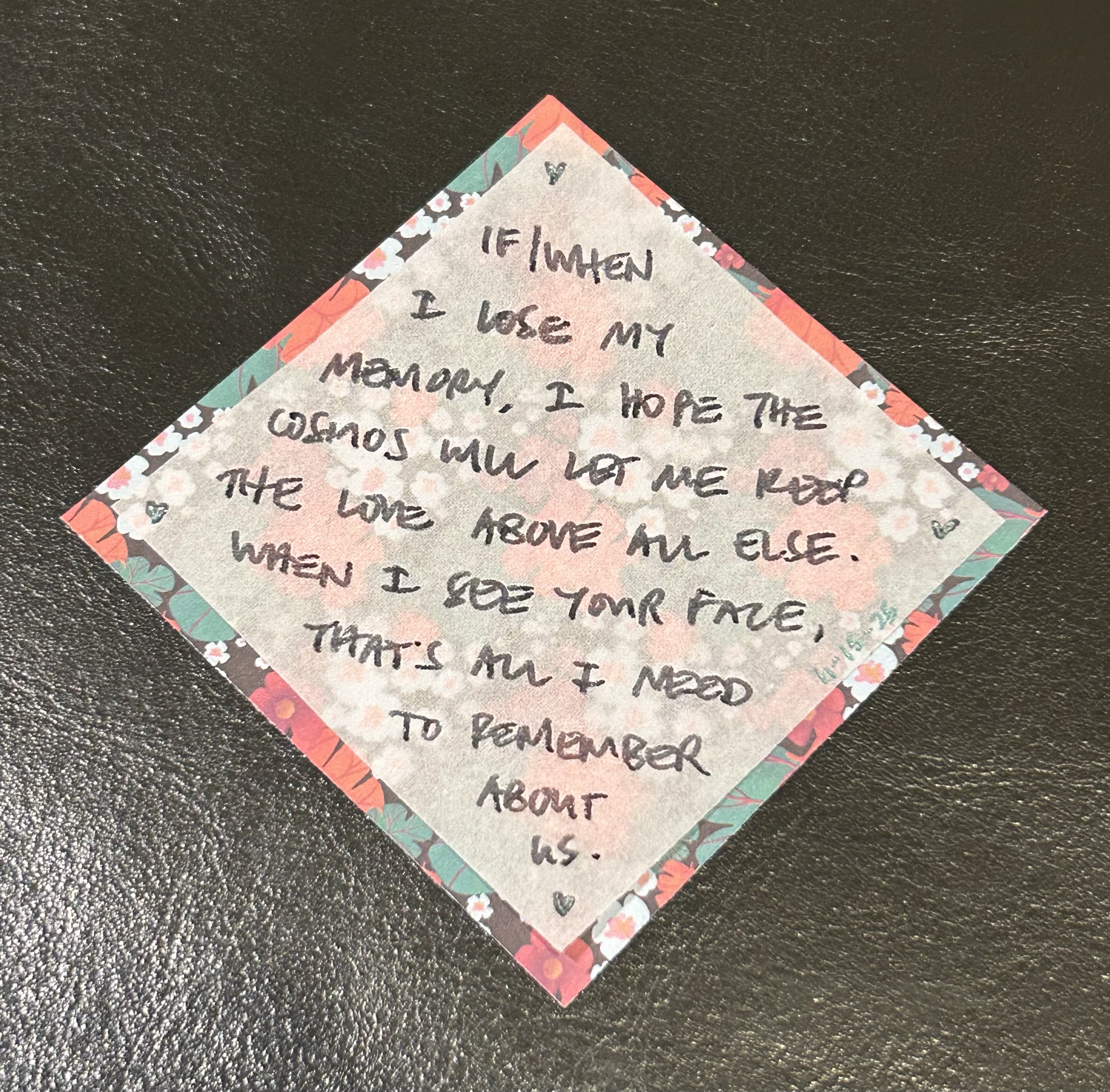
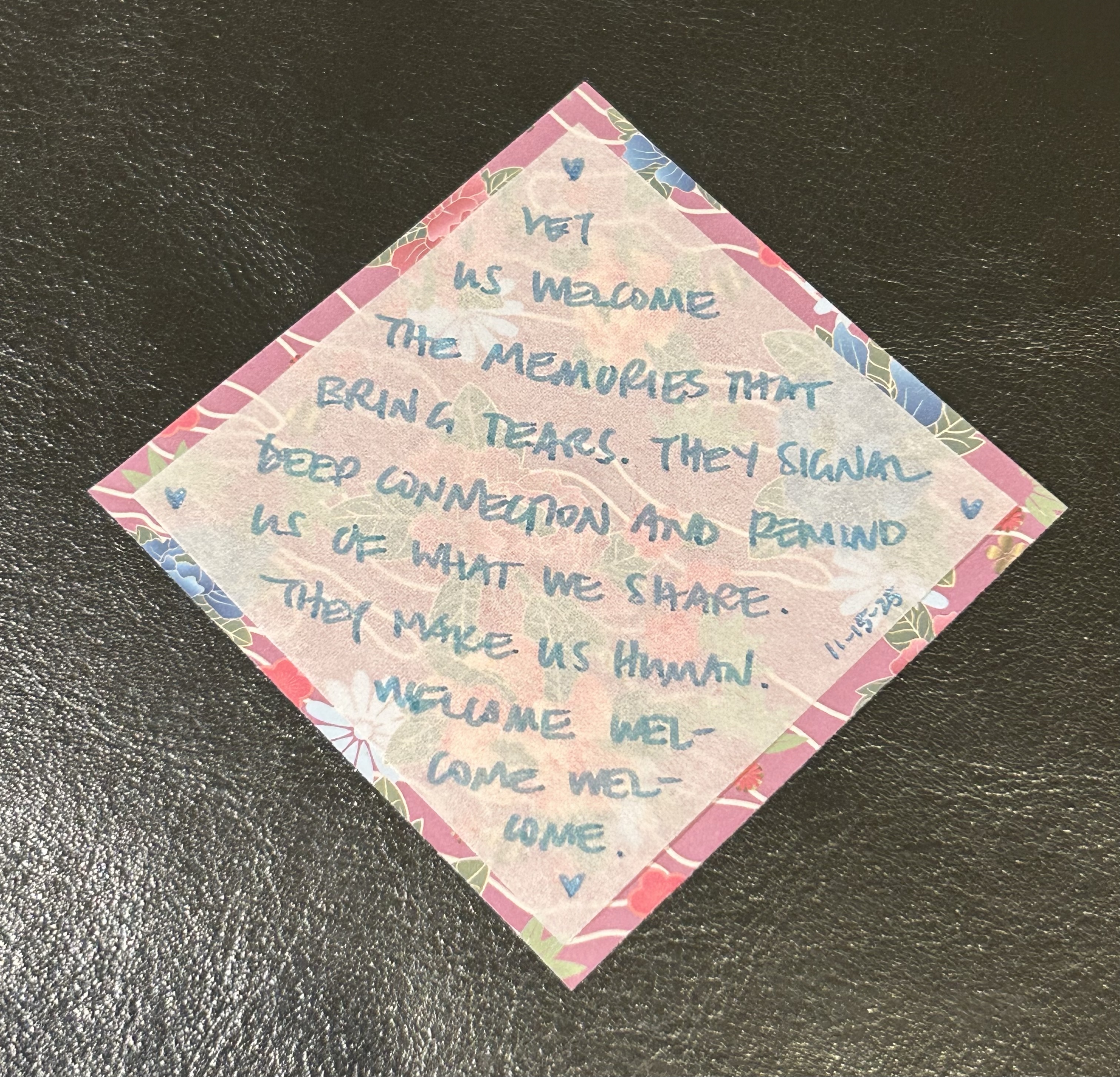
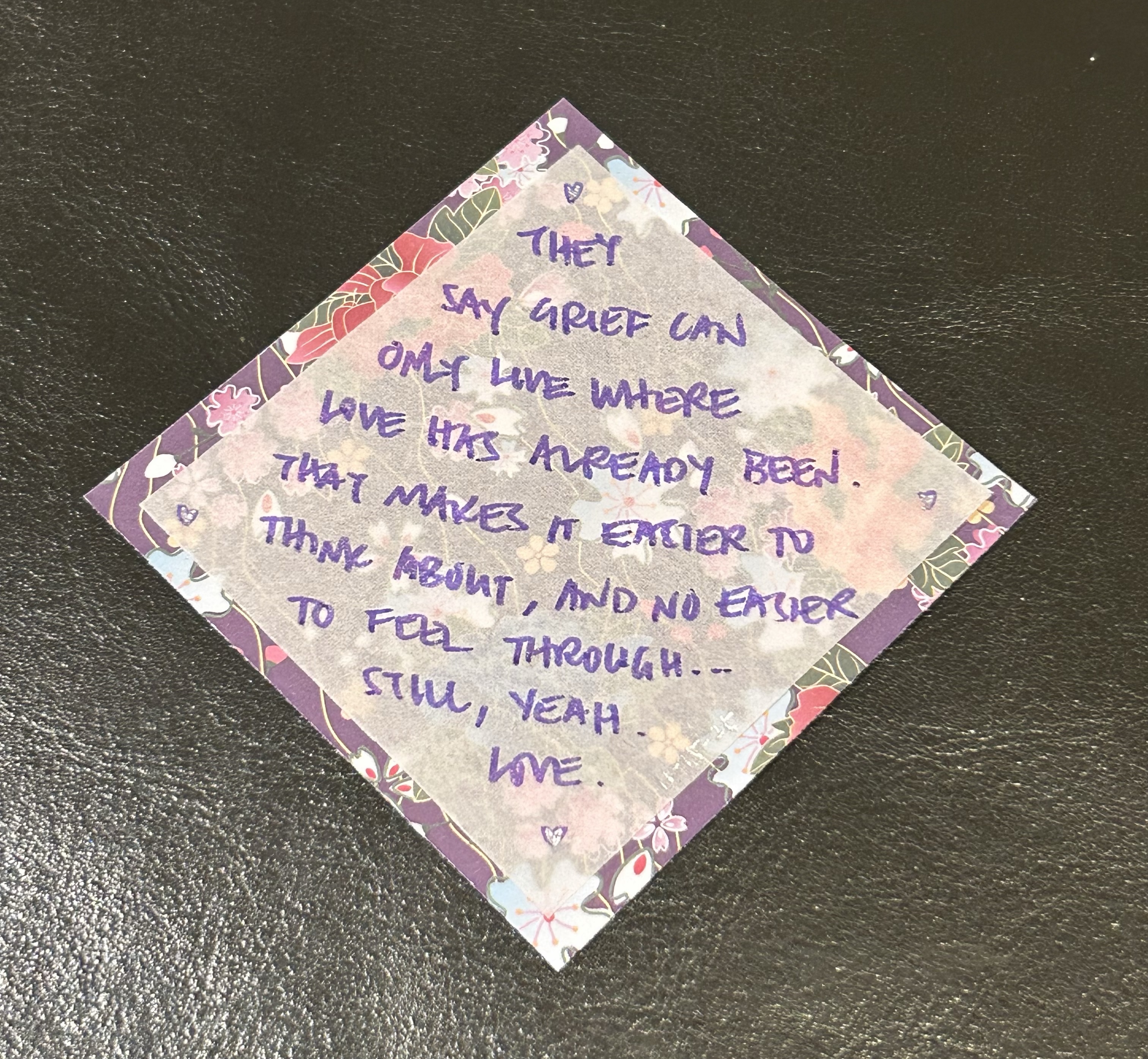
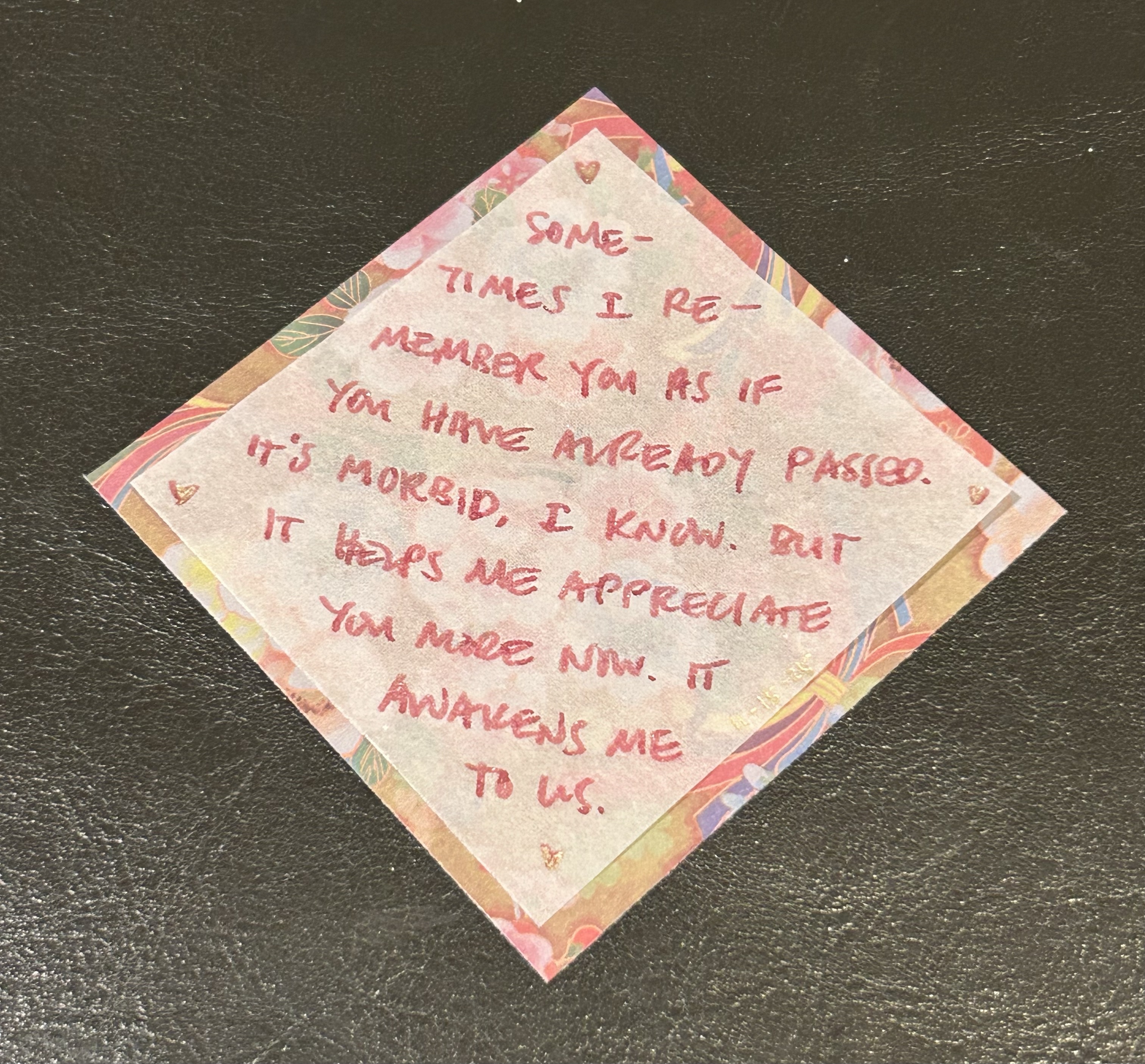
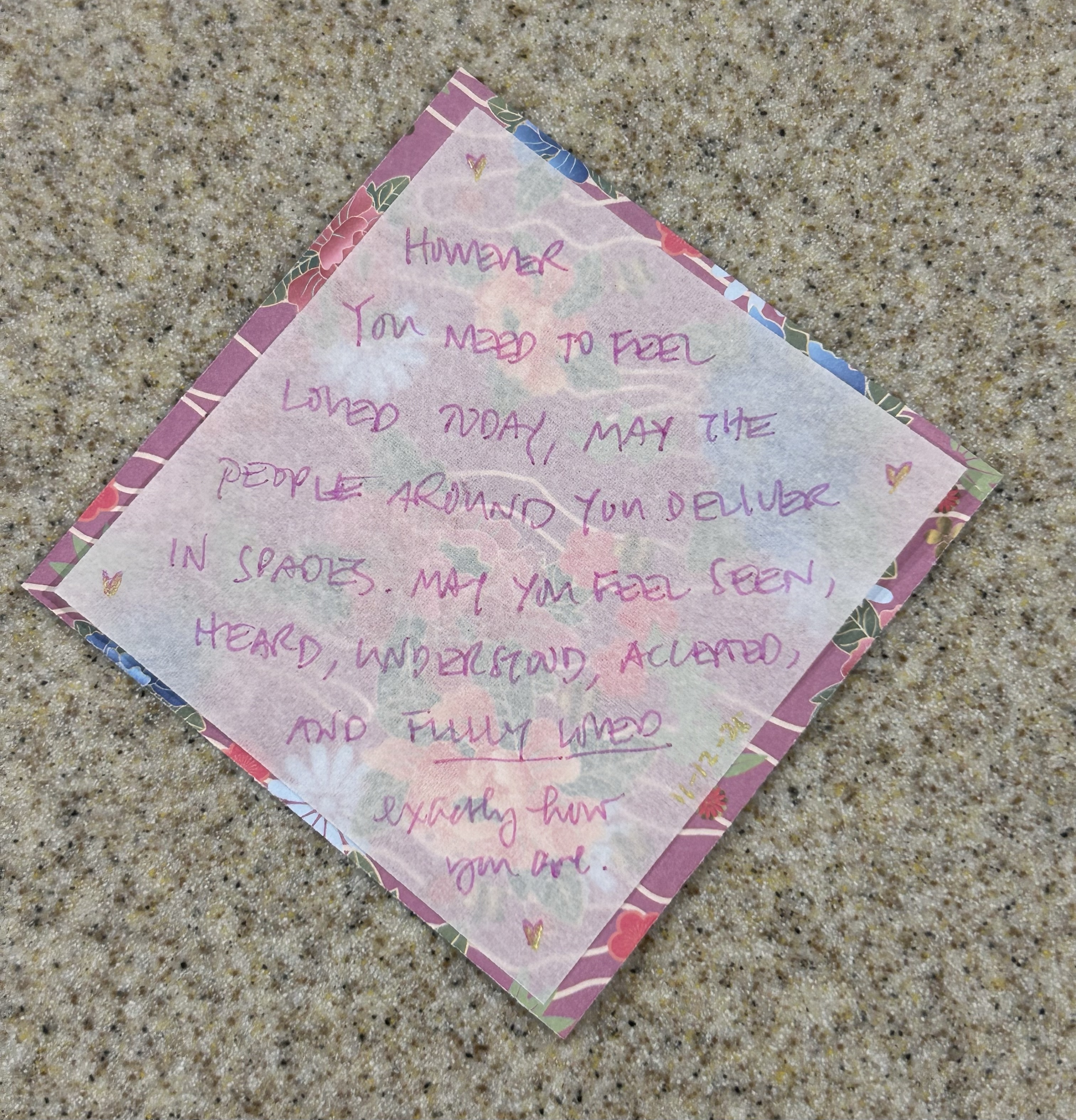
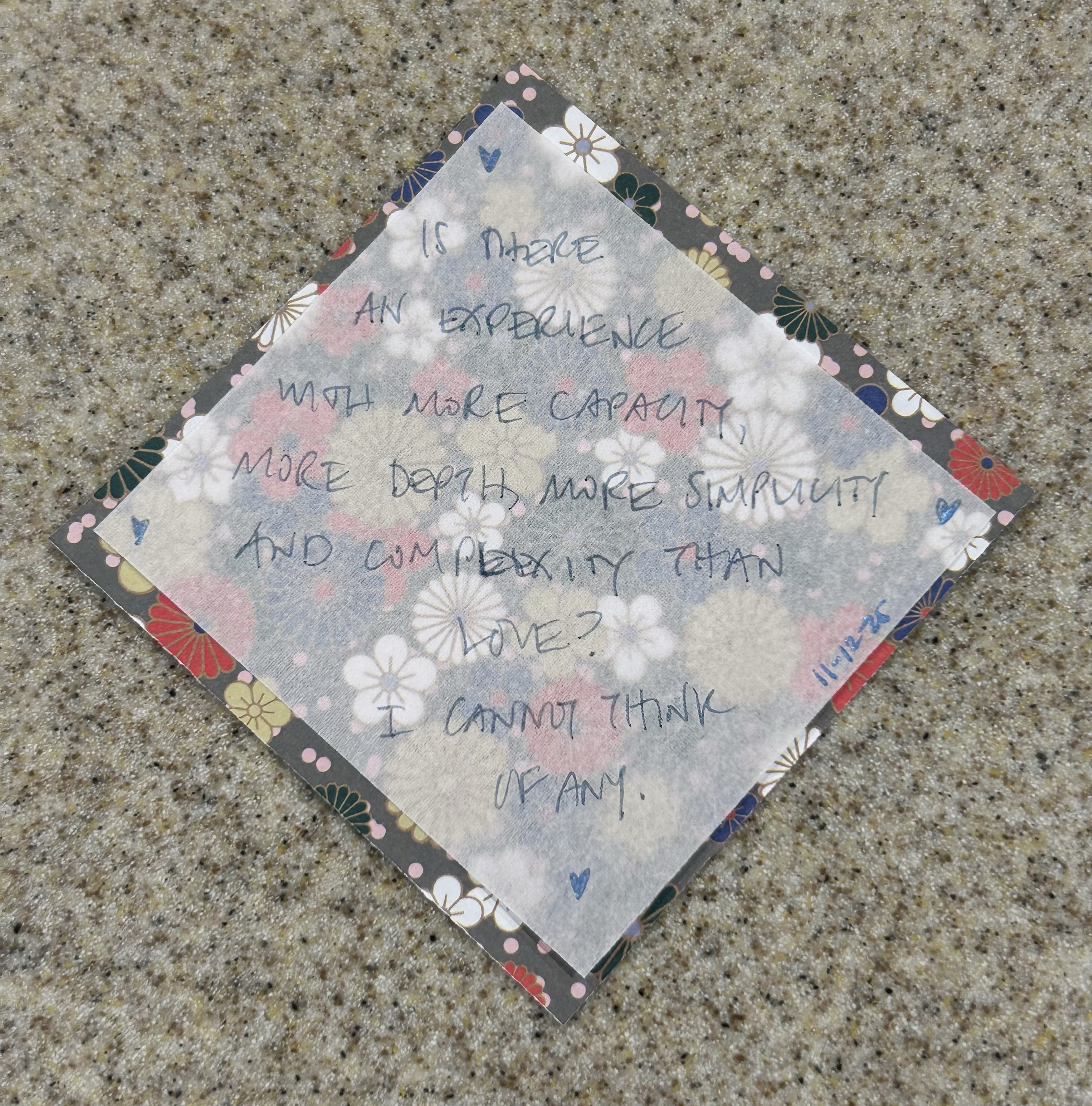
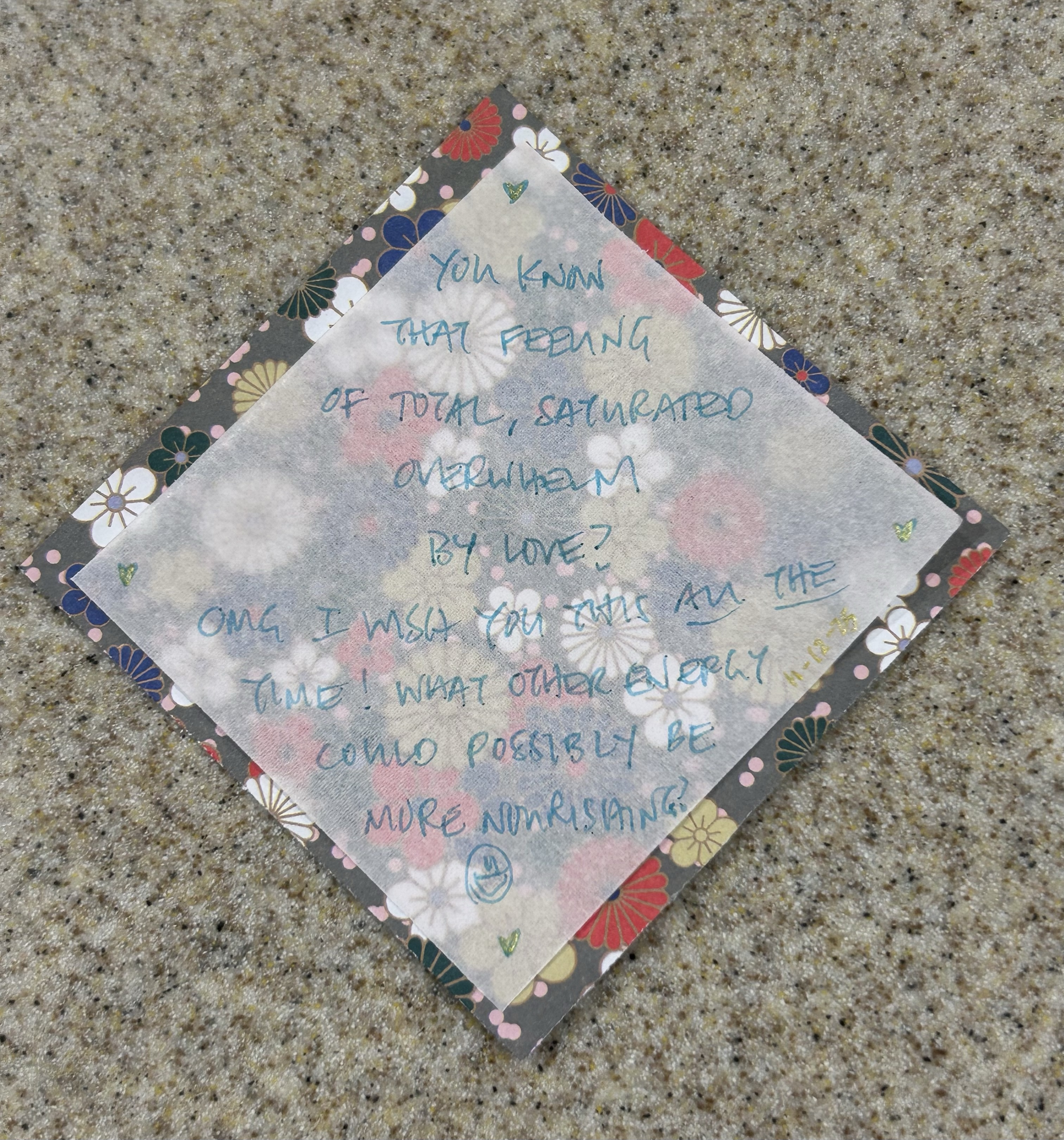
How did it take twelve days to come up with this one?? I am surrounded by such amazing people everywhere and I marvel at it every day. Today was particularly amazing–at the gym, at lunch, over text, and in snail mail. Our relationships save us, my friends. Let us cultivate them with care and attention.
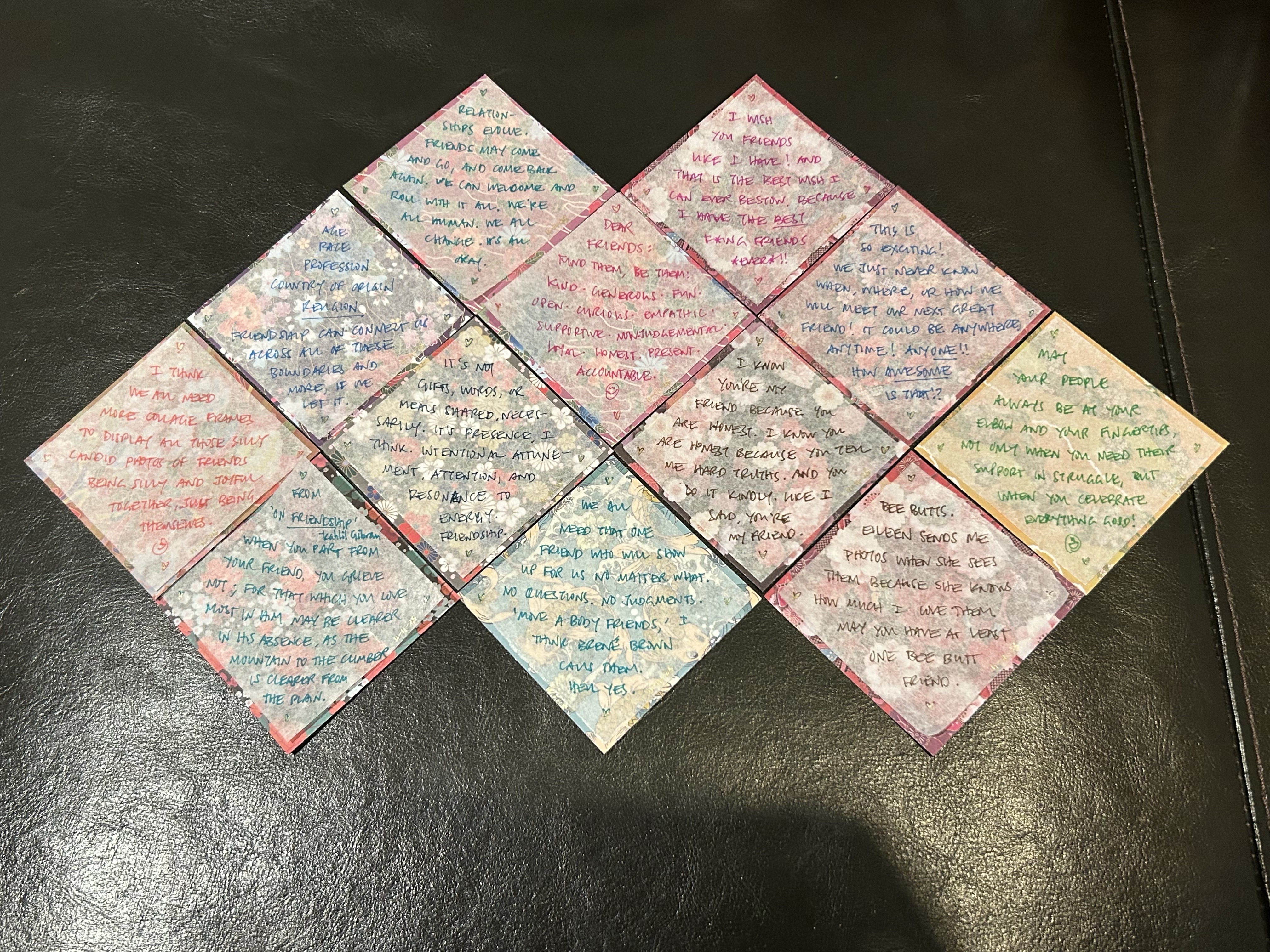
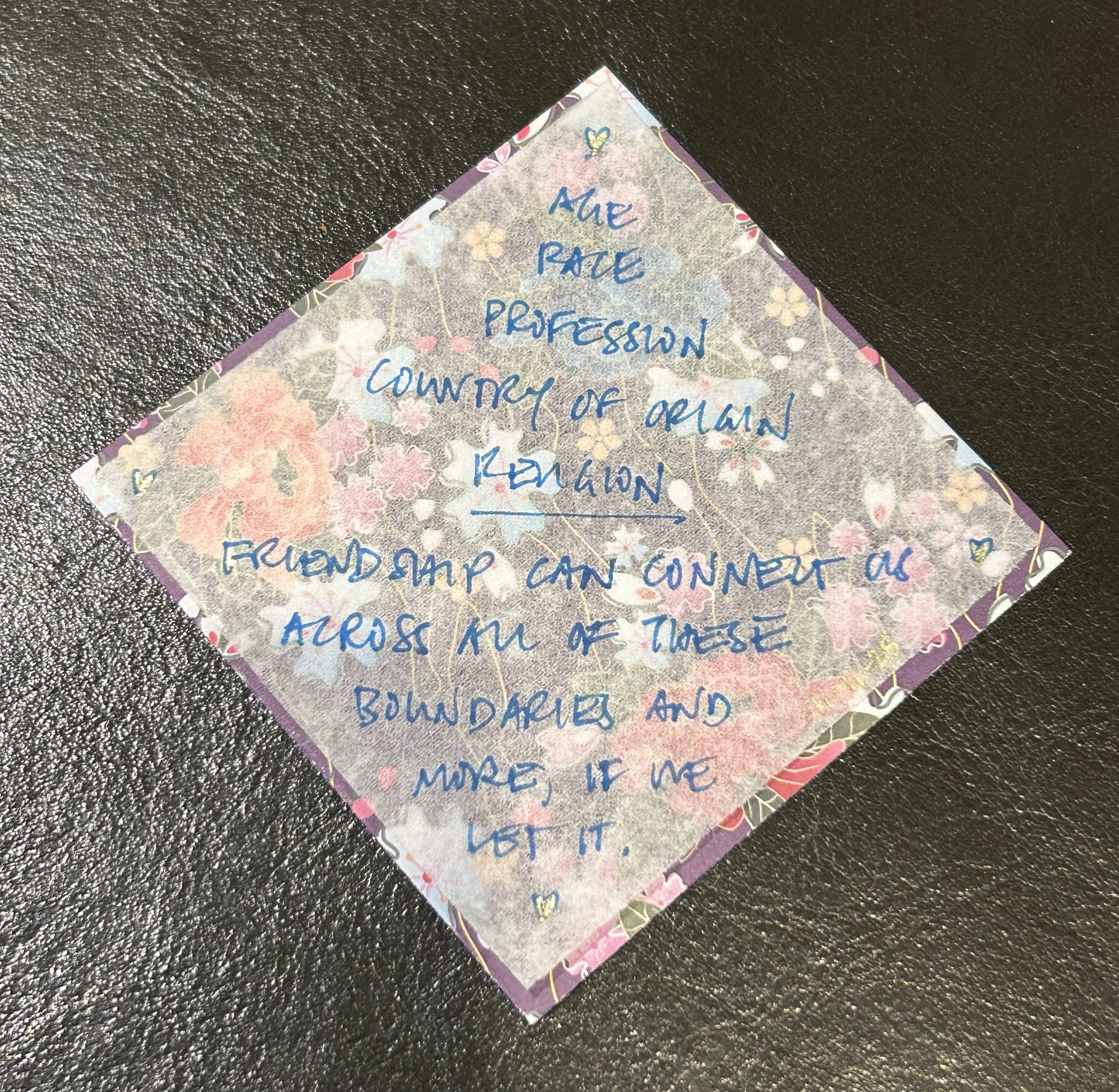
Age Race Profession Country of origin Religion — Friendship can connect us across all of these boundaries and more, if we let it.
2. From ‘On Friendhip’ — Kahlil Gibran When you part from your friend, you grieve not; for that which you love most in him may be clearer in his absence, as the mountain to the climber is clearer from the plain.
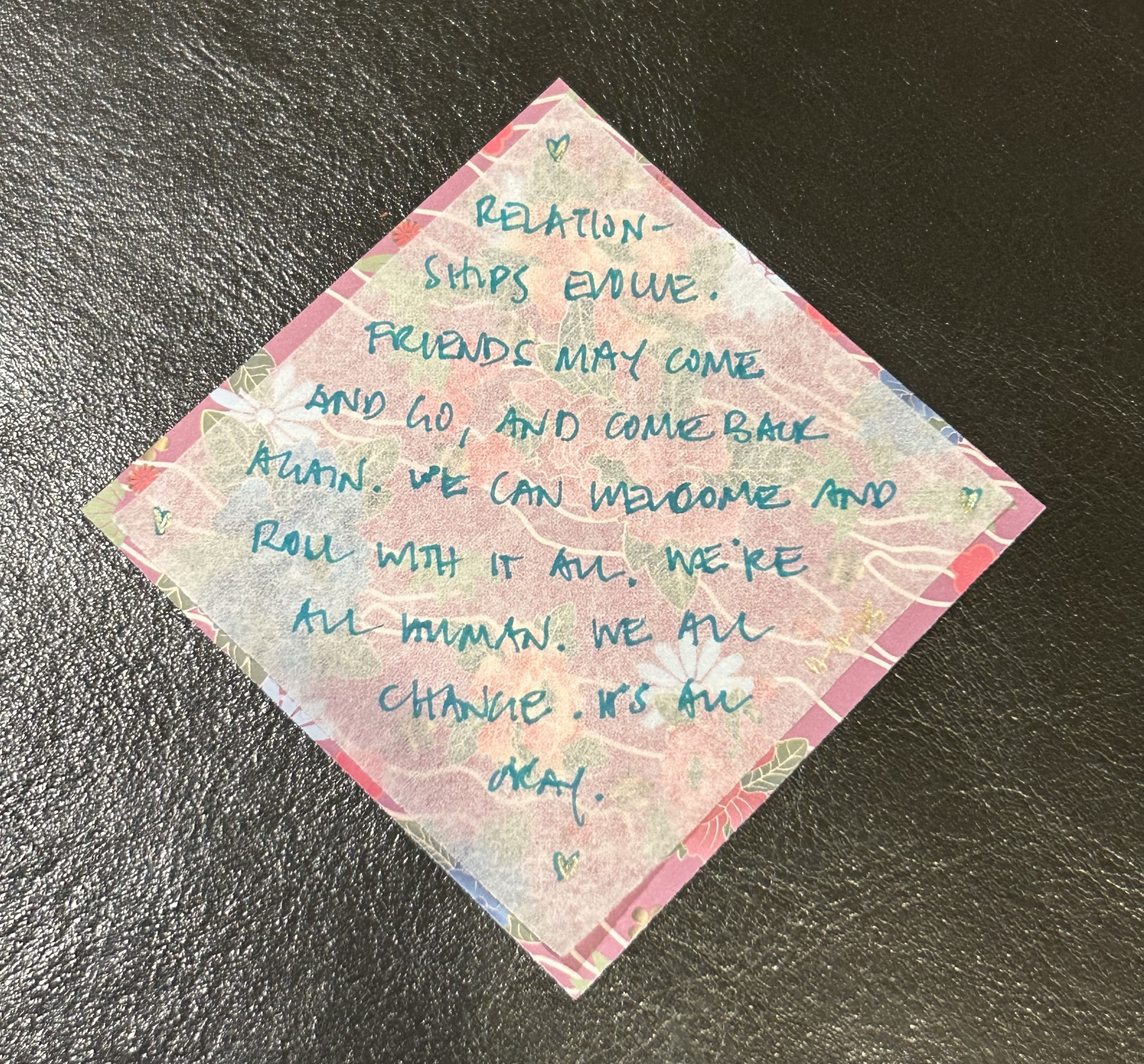
3. Relationships evolve. Friends may come and go, and come back again. We can welcome and roll with it all. We’re all human. We all change. It’s all okay.
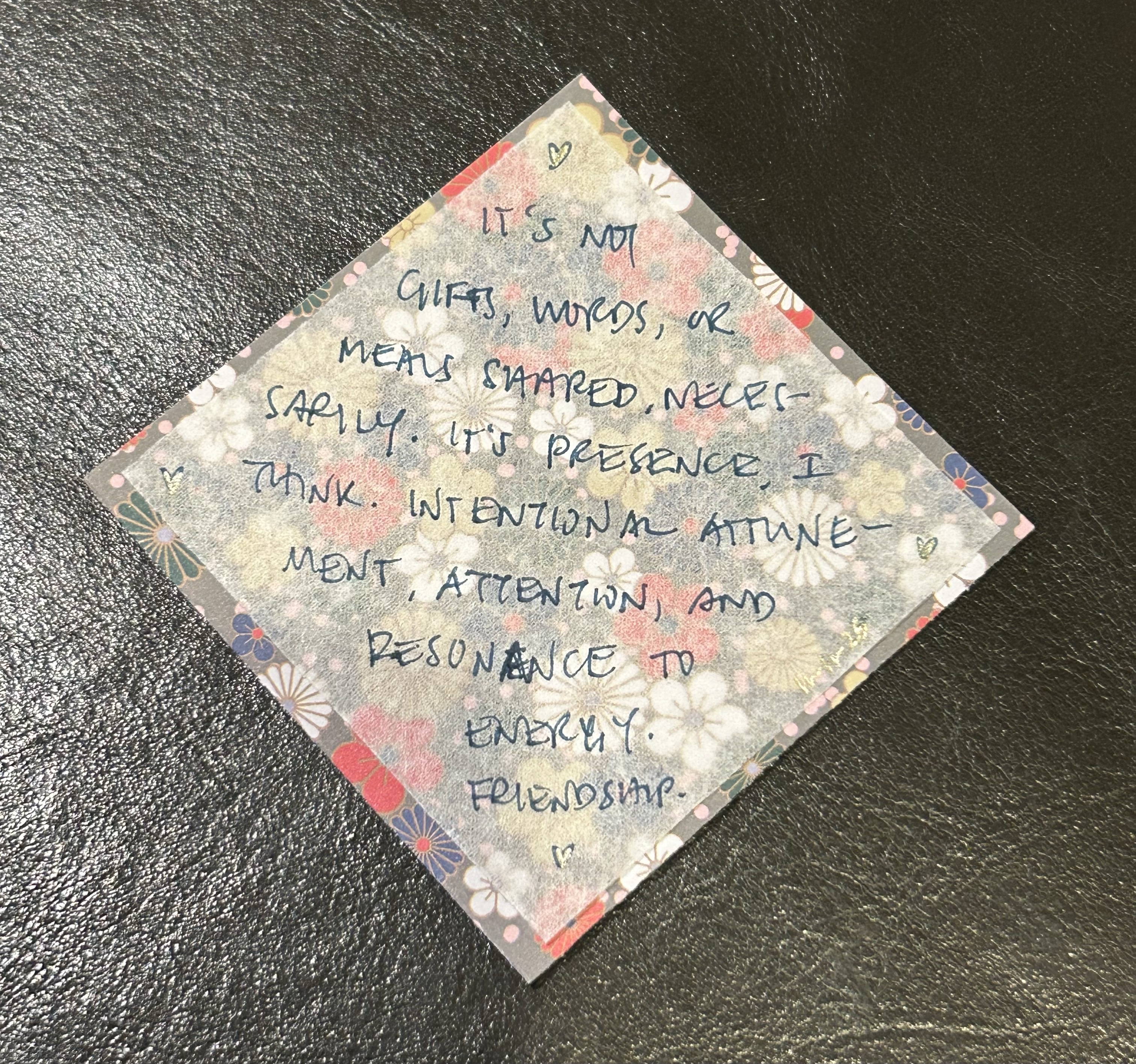
4. It’s not gifts, words, or meals shared, necessarily. It’s presence, I think. Intentional attunement, attention, and resonance to energy. Friendship.
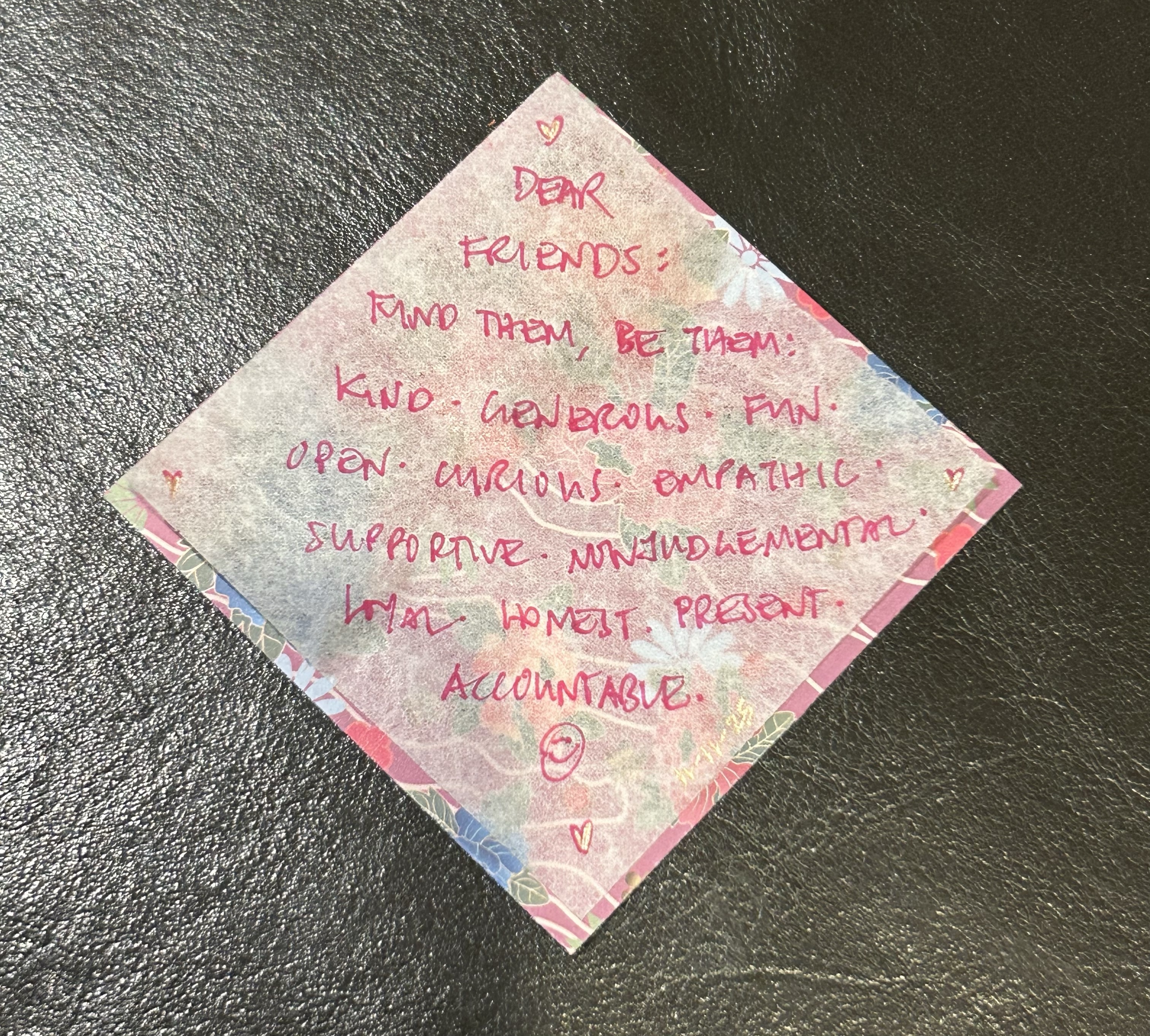
5. Dear friends: Find them, be them: Kind – Generous – Fun – Open – Curious – Empathic – Supportive – Nonjudgmental – Loyal – Honest – Present – Accountable.
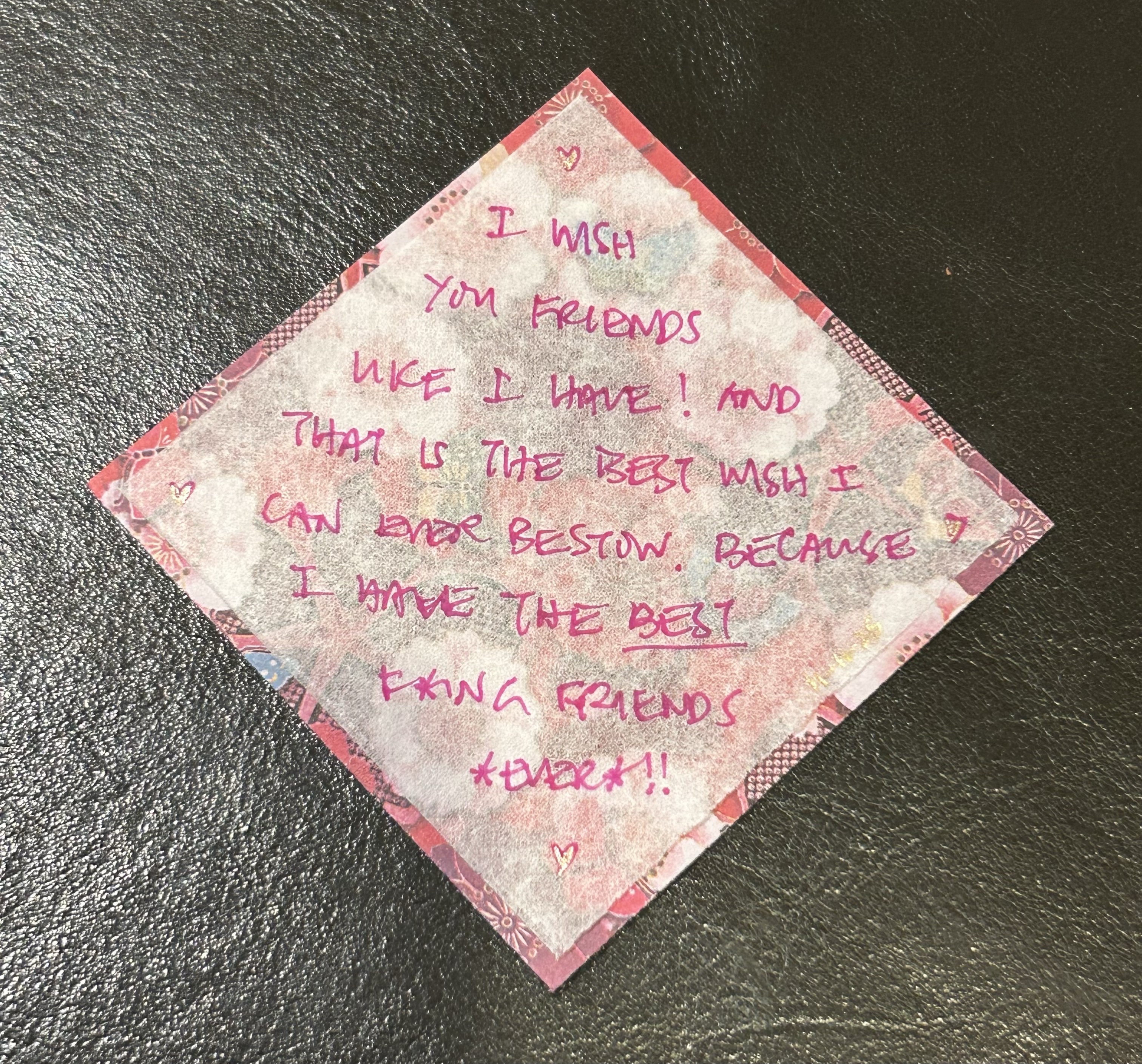
6. I wish you friends like I have! And that is the best wish I can ever bestow, because I have the BEST f*ing friends EVER!
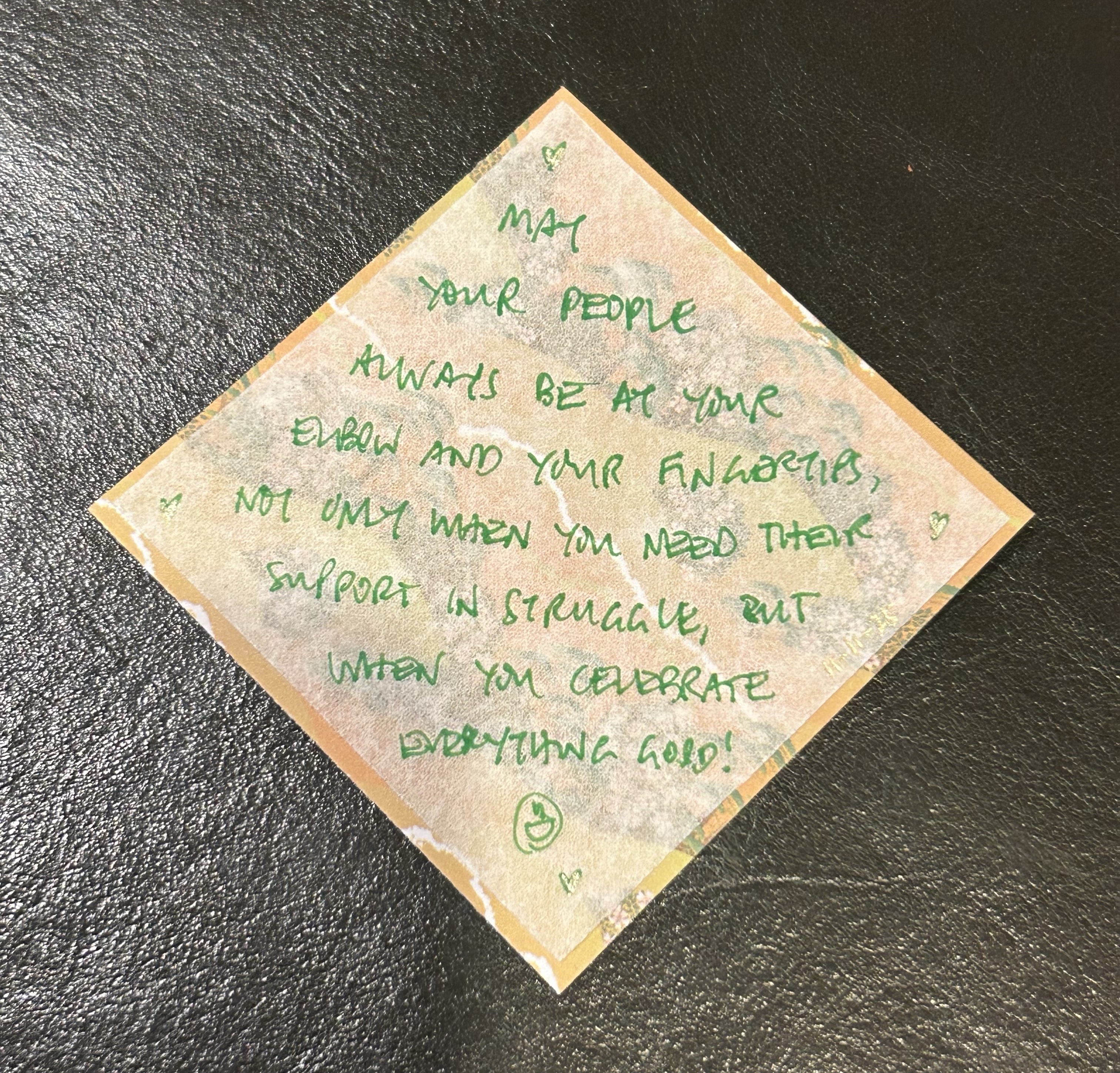
7. May your people always be at your elbow and your fingertips, not only when you need their support in struggle, but when you celebrate everything good!
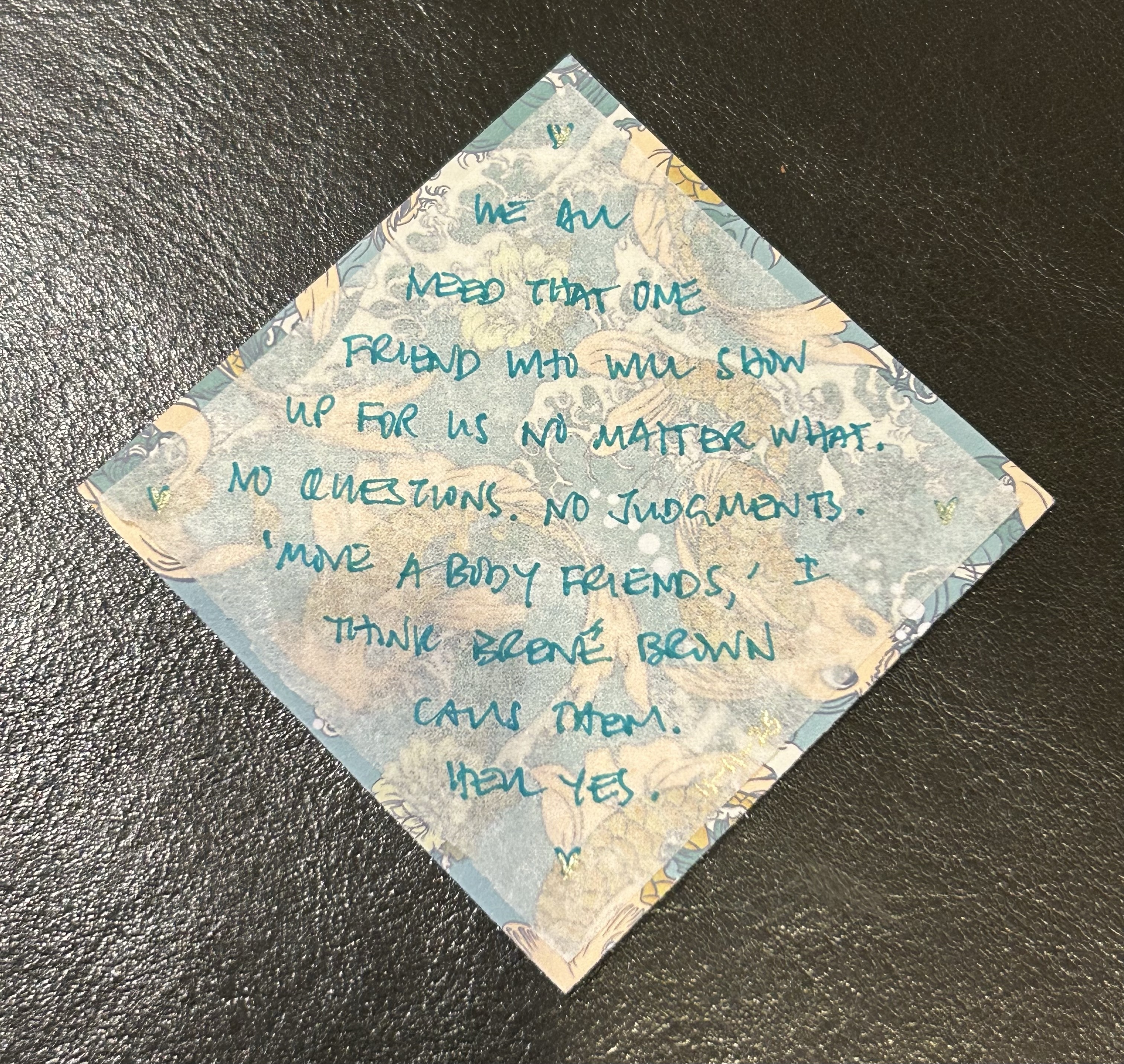
8. We all need that one friend who will show up for us no matter what. No questions. No judgments. ‘Move a body friends,’ I think Brene Brown calls them. Hell yes.
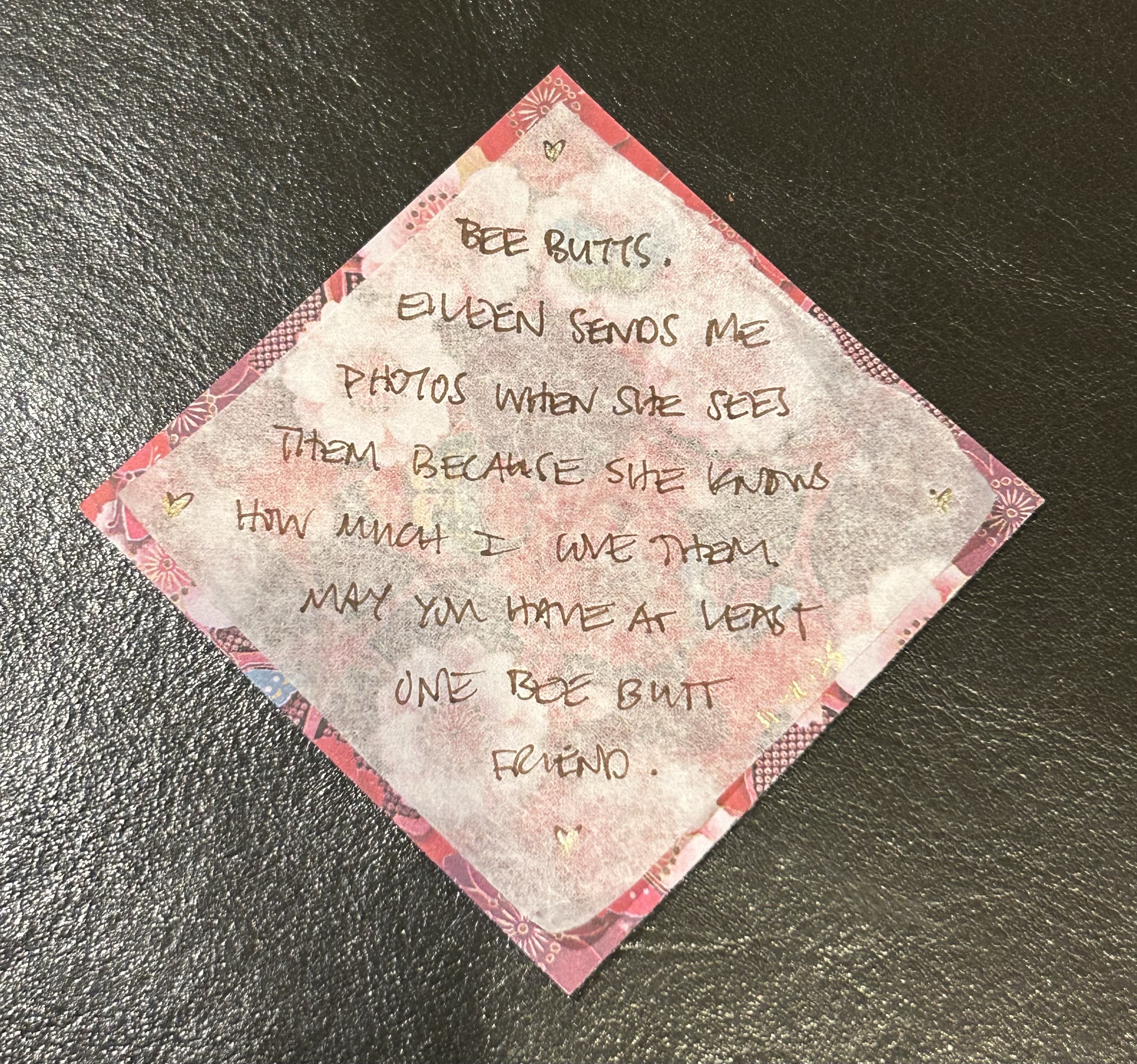
9. Bee butts. Eileen sends me photos when she sees them because she knows how much I love them. May you have at least one bee butt friend.
10. I knoe you’re my friend because you are honest. I know you are honest because you tell me hard truths. And you do it kindly. Like I said, you’re my friend.
11. This is exciting! We just never know when, where, or how we will meet our next great friend! It could be anywhere, anytime! AnyONE! How AWESOME is that!?
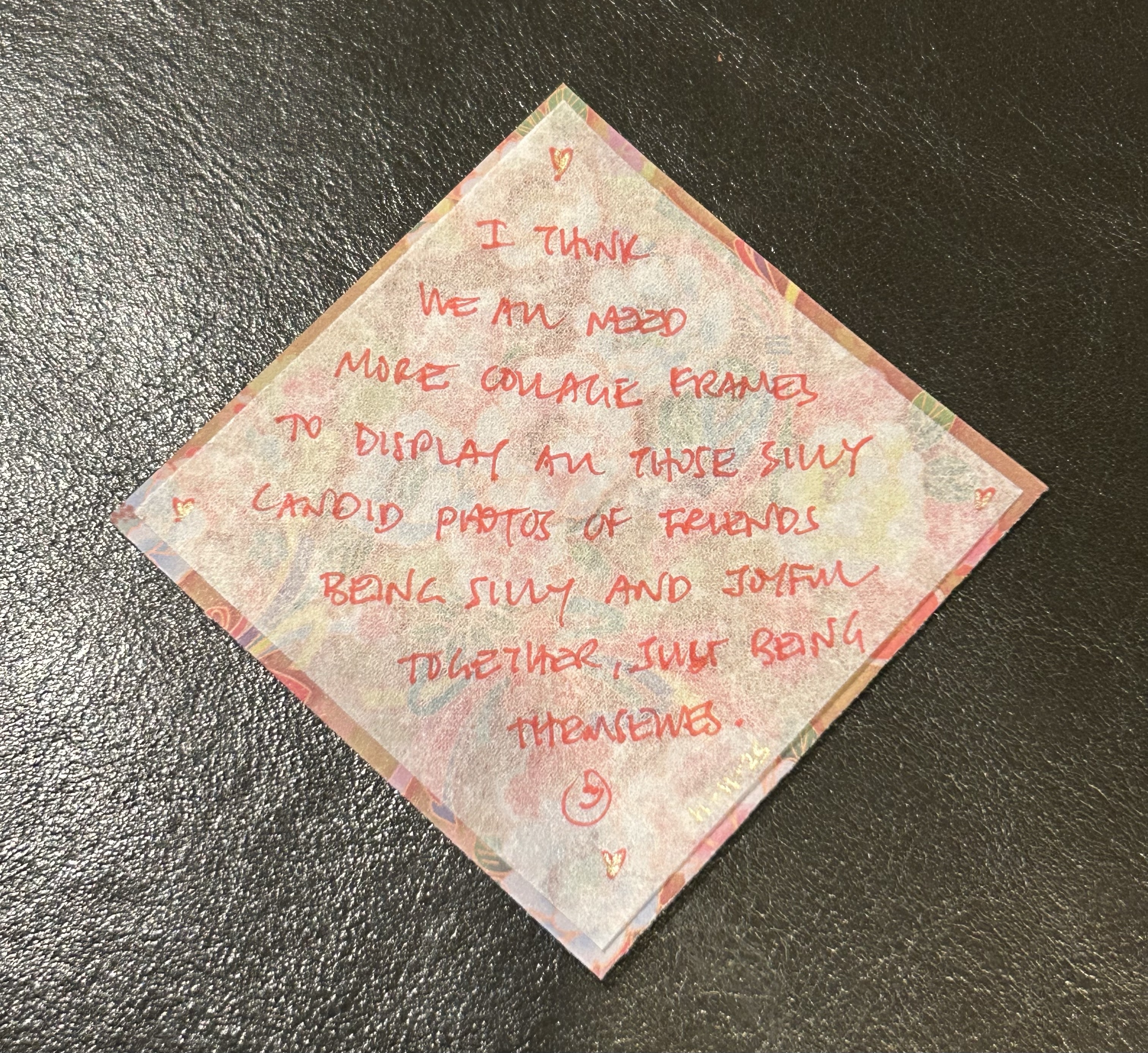
12. I think we all need more collage frames to display all of those silly candid photos of friends being silly and joyful together, just being themselves.
144 of 360 completed, friends! And I think this daily dozen project is going well so far! I’m still having fun, and my process efficiency improves by the day. The notes are stacking up, though. Still contemplating what I will do with them all after the month ends! Ideas are welcome! More tomorrow!
So many people going through hard things right now, friends. Maybe this includes you. May you identify and nurture the strength and courage within yourself, and may those who matter most step up to support and uplift. You’ll do the same for them sometime. It’s what we’re here for, after all, to hold one another up. The words below are long and well worth a slow read. Let them remind us: Courage has a cost. Integrity is worth it.
Her ex-lover sued her. Sponsors said “deny it or lose millions.” She walked into a press conference and told the truth anyway. First major female athlete to acknowledge a same-sex relationship. Lost everything. Changed everything.
May 1981. Los Angeles.
Billie Jean King woke up to a nightmare. Marilyn Barnett—her former secretary, former lover, former life—had filed a lawsuit claiming she was entitled to half of Billie Jean’s Malibu beach house and lifetime financial support. A palimony suit. Which meant their relationship—the relationship Billie Jean had kept carefully private—was about to become headline news.
Within hours, reporters were camped outside her house. Her phone rang nonstop. Sponsors were panicking. Agents were strategizing. Everyone had the same advice: Deny everything. Say Barnett was delusional. A disgruntled employee. Making it up for money. Lie convincingly enough and maybe—maybe—you survive this.
Billie Jean was 37 years old. The world’s most famous female athlete. An icon. She’d fought her entire life to get here, and in one afternoon, it could all disappear. She sat with her advisors, her lawyers, her team. They laid out the options. They showed her the numbers—millions in endorsements at stake. Her entire career.
Then Billie Jean King made a decision that would cost her everything and change sports history: “I’m going to tell the truth.”
Three days later, Billie Jean walked into a press conference. Lights blazed. Cameras clicked. Microphones were shoved toward her face. The room was packed with reporters who’d come to watch a scandal unfold. Billie Jean looked straight into the cameras and confirmed it: yes, she’d had a relationship with Marilyn Barnett. She became the first major female athlete to publicly acknowledge a same-sex relationship.
The silence in that room lasted maybe three seconds before the questions exploded. What about your husband Larry? (Still married, still together, trying to work it out.) Are you gay? (I don’t know what I am. I’m still figuring it out.) What about your sponsors? (That’s up to them.)
Within 48 hours, nearly every major sponsor dropped her. She lost endorsements worth an estimated $2 million—approximately $7 million in today’s money. Overnight, Billie Jean King went from one of the most marketable athletes in America to virtually unemployable as a spokesperson.
She’d chosen honesty. It cost her everything. But Billie Jean King wasn’t new to choosing hard paths.
She was born Billie Jean Moffitt in 1943 in Long Beach, California. Her father was a firefighter. Her mother was a homemaker. They were working-class, practical people who taught their kids to work hard and speak up.
Billie Jean fell in love with tennis at age 11. She was good—really good. But tennis in the 1950s was a country club sport. Elite. White. Wealthy. Billie Jean wasn’t wealthy. She wore hand-me-down clothes. She played with borrowed rackets. Tennis officials told her she’d never make it because she didn’t “look right”—code for “not wealthy enough, not refined enough.”
So Billie Jean decided: if they won’t let me in, I’ll force my way in. By 18, she was winning tournaments. By 20, she was ranked #4 in the world. By her mid-twenties, she was the best female tennis player on earth.
But women’s tennis prize money was a joke. In 1970, men’s champions at major tournaments won 12 times what women’s champions won—for playing the same sport, at the same tournament, with the same crowds.
Billie Jean and eight other women players threatened to boycott. They founded their own tour—the Virginia Slims Circuit. They demanded equal prize money. Tennis officials laughed at them. Said women’s tennis wasn’t worth watching. Nobody cared.
Then came Bobby Riggs. Bobby Riggs was a 55-year-old former tennis champion who’d become a professional hustler and showman. He started making public statements: women’s tennis was boring, women couldn’t compete with men, even an old guy like him could beat the best women players. He challenged Billie Jean to a match. Winner-take-all. Prove once and for all whether women belonged on the same court as men.
Billie Jean initially refused. She didn’t want to be part of a circus. This wasn’t about tennis—it was about ego. But then Riggs played Margaret Court, the #1 ranked woman in the world, and destroyed her 6-2, 6-1. He crowed about it. Called it proof that women were inferior. Billie Jean realized: if she didn’t accept this challenge, Riggs would use it to undermine everything she’d fought for. So she said yes.
September 20, 1973. The Houston Astrodome. The “Battle of the Sexes” match was the most-watched tennis match in history. Ninety million people worldwide tuned in. Riggs came out carried on a throne by models dressed as ancient Roman goddesses. He wore a “Sugar Daddy” jacket (his sponsor). He played to the crowd, hamming it up. Billie Jean came out carried on a gold litter like Cleopatra by shirtless men. If this was going to be a spectacle, she’d own it.
Then they started playing. Riggs expected Billie Jean to play aggressively, to try to overpower him. Instead, she played smart. She made him run. She hit to his weaknesses. She wore him down. First set: Billie Jean, 6-4. Second set: Billie Jean, 6-3. Third set: Billie Jean, 6-3. She didn’t just beat him. She dominated him.
Ninety million people watched a woman dismantle a man’s ego and his arguments. She proved—on the biggest stage possible—that women athletes were legitimate, skilled, worthy of respect. It wasn’t just a tennis match. It was a cultural moment. And Billie Jean King became a hero.
By 1981, Billie Jean had spent nearly a decade as the face of women’s sports. She’d co-founded the Women’s Tennis Association. She’d fought for equal prize money—and won it at the U.S. Open in 1973. She was married to Larry King (they’d married in 1965). But she’d also had relationships with women—most notably with Marilyn Barnett, who’d been her secretary and then her lover. The relationship ended in 1979. It was messy, painful, complicated. Then came the lawsuit. And the outing.
Billie Jean could have lied. She could have destroyed Marilyn’s credibility. She probably would have survived professionally. But she’d spent her whole life fighting to be seen as legitimate. To be respected. To be heard. How could she ask for honesty from the world if she wasn’t honest herself?
So she told the truth. And it destroyed her career. Temporarily. The months after the outing were brutal. Sponsors dropped her. Tournaments were awkward. Fellow players didn’t know what to say. Some were supportive. Many distanced themselves. The media was vicious. This was 1981—years before Ellen came out, years before any major athlete was openly gay. Being outed as queer was career suicide. Billie Jean’s marriage to Larry was strained but held together (they divorced in 1987). She struggled with her identity. Was she gay? Bisexual? She didn’t have language for it yet. All she knew was that she’d told the truth, and the truth had cost her millions.
But she’d done it. And other athletes noticed. Martina Navratilova came out as bisexual later that year. She said Billie Jean’s courage made it possible. Other LGBTQ+ athletes, in later years, said the same thing: Billie Jean showed them you could survive being honest. Not unscathed. Not without cost. But you could survive.
Billie Jean slowly rebuilt her career. Not the endorsements—those were gone for years. But her reputation as a fighter, an advocate, a truth-teller. She kept working for equal pay in sports. She kept mentoring young players. She kept showing up. In 1998, at age 54, Billie Jean King publicly identified as a lesbian for the first time. It had taken 17 years since the outing to fully claim that identity publicly. But she’d lived honestly, even when it cost her everything.
In 2009, President Barack Obama awarded her the Presidential Medal of Freedom—the nation’s highest civilian honor. In 2020, the Fed Cup (the premiere international team competition in women’s tennis) was renamed the Billie Jean King Cup.
Today, at 81, she’s still fighting for equality in sports. Still advocating. Still refusing to be silent.
Here’s why Billie Jean King’s 1981 press conference matters: She was the first. The first major female athlete to acknowledge a same-sex relationship publicly. She didn’t come out voluntarily—she was outed. But she chose truth over denial. She lost millions immediately. Nearly every sponsor dropped her within days.
But she never backed down, never recanted, never pretended to be someone she wasn’t. She paved the way for every LGBTQ+ athlete who came after: Martina Navratilova, Jason Collins, Michael Sam, Megan Rapinoe, Brittney Griner, hundreds more. She proved you could be honest and survive—not easily, not without cost, but survive. And she’d already proven herself as someone who fought impossible battles and won.
Battle of the Sexes: everyone said she’d lose. She won. Equal prize money: everyone said it would never happen. It happened. Coming out in 1981: everyone said it would end her career. It did. And she rebuilt anyway.
Billie Jean King once said: “Pressure is a privilege.” In 1981, she lived those words. The pressure of that press conference. The privilege of telling the truth. The cost of honesty. The long-term impact of courage.
She could have lied. She would have kept her endorsements. She would have been comfortable. [CC: I respectfully disagree; it would have been a different discomfort.]
She told the truth. She lost millions. She changed sports forever. Remember her name: Billie Jean King. Remember that she was outed in a lawsuit and chose honesty over denial. Remember that she lost nearly everything and rebuilt anyway Remember that every openly LGBTQ+ athlete today walks a path she cleared—at enormous personal cost. Remember the Battle of the Sexes—but also remember the battle that came eight years later, when she faced not an opponent across a net but the entire world’s judgment.
She won both battles. Not without cost. Not without pain. But she won. Because Billie Jean King doesn’t back down. Not from Bobby Riggs. Not from sexism. Not from homophobia. Not from truth.
Pressure is a privilege. And Billie Jean King has earned every bit of hers.
It won’t be this way forever. Everything changes. But you must show up to do the work. What do you need? Gather your resources, your resourcefulness. Go full bad-ASS.
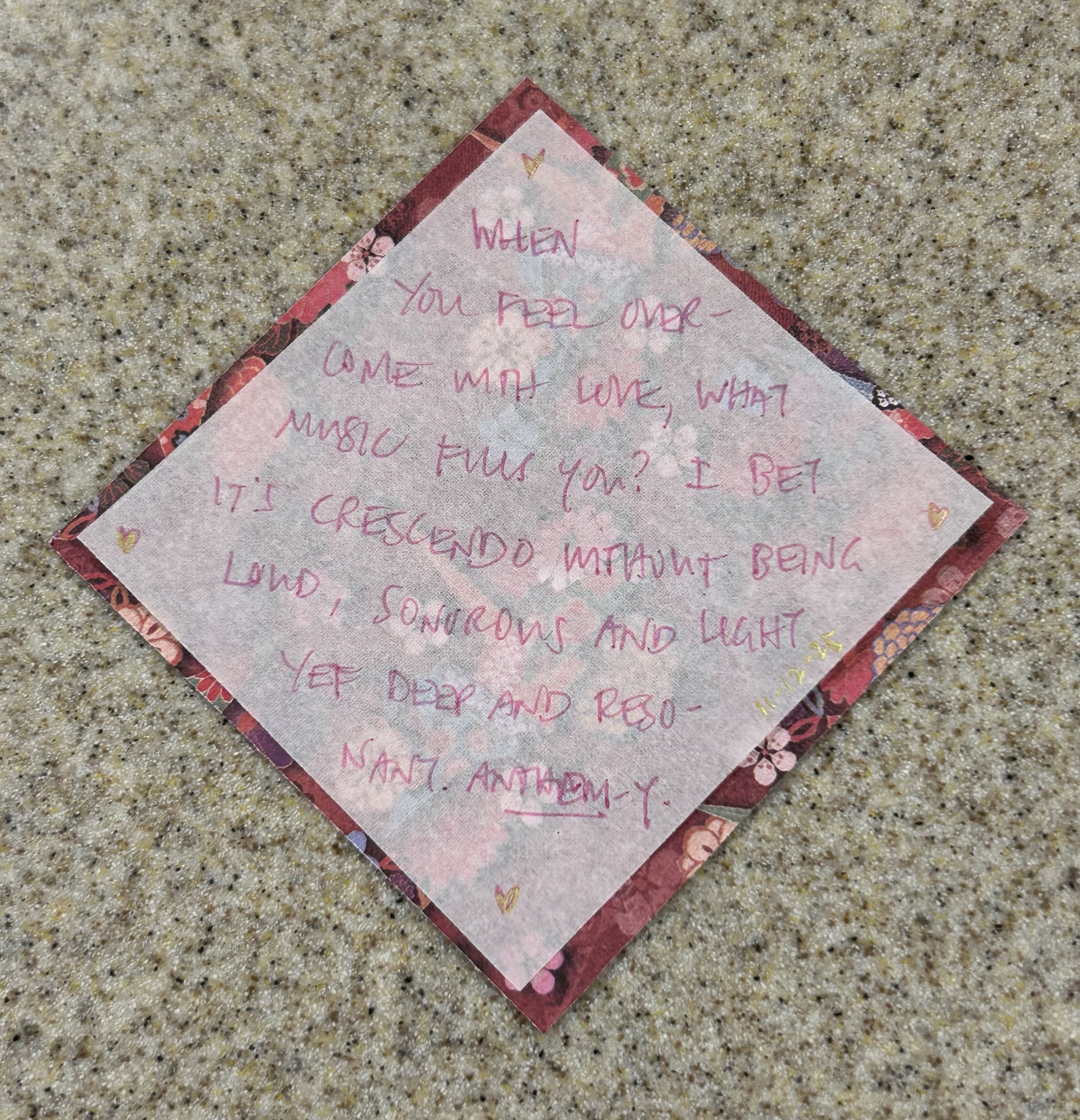
2. What’s your anthem? More like Skywalker’s Theme, The Imperial March, or Bare Naked Ladies? Learn the music. Choose your instrument. Play it on loop. Dance. Onward!
3. Some of us never doubt you, not for a femtosecond. I know you may doubt yourself often. So borrow our faith and confidence in you when yours runs low. We have plenty to spare.
4. It just keeps coming up: ODOMOBaaT! One day, one moment, one breath at a time. We can get through anything this way. Just get through the next breath. Keep on.
5. There will be light moments sprinkled among the dark and heavy. Revel in those. Tuck that energy away in the battery of your psyche. Pull it out to hold when needed.
6. Embrace the suck! Own it, embody it. Then gather your light and gear. Get up and dust off. Lace up the boots. Start marching. And bring water and snacks.
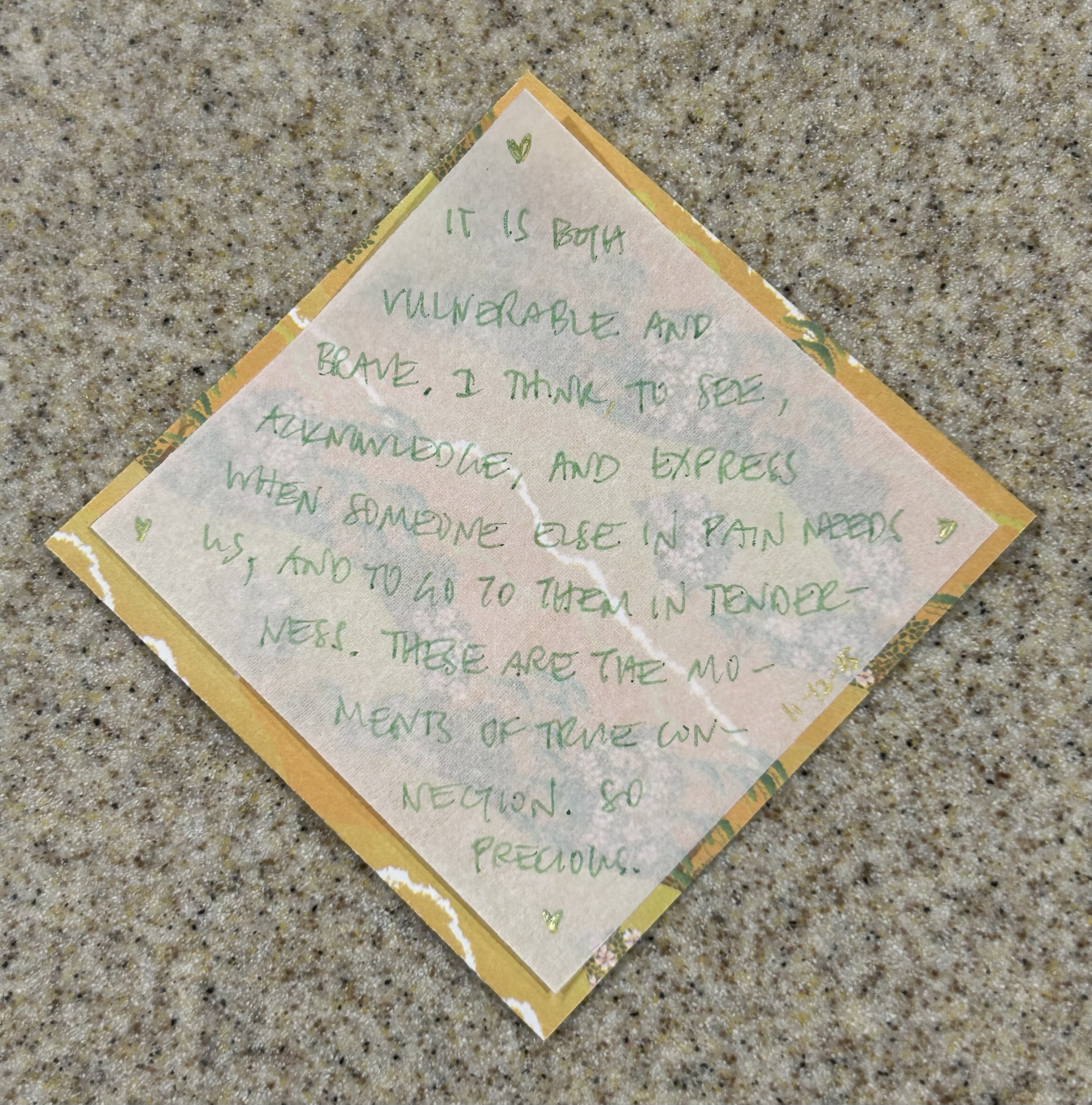
7. OMFG call on your people already! We are here to hold you up! Give us the gift of letting us help–it’s good for us ALL–the most HUMAN win-win.
8. What does that song say? When you’re going through hell, keep on going. Oh it was actually Churchill. Well, he’s a pretty good model. I think you can do this.
9. What will it take for you to fully believe and accept your utter awesomeness and resilience? We have witnessed it repeatedly. Maybe just read this note over and over!
10. “…Rise… With a spine of steel and a roar like thunder.” It’s one of my favorite t-shirts. You can borrow it if you need. Whatever helps you find. Your. ROAR.
11. Jeez, it’s dark in these caves of struggle and pain. Can’t see shit. But we have our other senses that can attune and compensate. Lean in. Trust yourself. Ya, you.
12. Some days, just making it through is more than enough. You persisted, you didn’t succumb. You’re still here. Bravo/a. You’re amazing.
SO FUN! I went to my first industry dinner since before the pandemic. Heard a couple of informative talks while enjoying salad, pasta, fish, steak, and then the best tiramisu I’ve ever had! But the best part was talking to my new friend E. We had met before and we have mutual acquaintances, and tonight was our chance to know each other better. We talked industry, parenting, the pitfalls of corporate culture, topics of extemporaneous talks we’d give, and what we like about ourselves, as well as what we’re working on.
How often do you walk away from random conversations feeling uplifted, connected, intrigued, and reflective? How awesome would it be to have this every time you met someone, anyone, anywhere, under any circumstance? It may not be realistic, but hey, aim for the sun, right? Let’s see if I can inspire this attitude in tonight’s twelve, shall we? I’m excited for this challenge:
Food, music, sports, activism, travel — Whatever helps you connect meaningfully to other lovely humans is what I wish for you. Books, nature, insects– Whatever! 😀
2. What do you wish people would ask you about yourself? What do you want to know about other people that’s related? Why not connect around either? Could be fun!
3. Who will be your next great friend? You never know, right? May you approach any new-to-you human with the spirit of potential and utter possibility!
4. May your openness, curiosity, humility, empathy, generosity, and kindness be rewarded at least ten times over, today and all days — May the positive reinforcement fill your tank!
5. Where in your body do you feel the first inklings of a new wonderful friendship? May that part positively vibrate on a daily basis! No such thing as too many friends! 😀
6. What part of you really wants to be seen? May you find yourself surrounded by folks who really want to see it, and may you have the courage to show them.
7. I may not know you but I know you are worthy of attention and love. May all you meet today prove this to you, so you may never doubt or question again.
8. May you see in every person you meet today someone who is loved and admired by someone else. May that perspective lead your psyche in your own interactions, and may you be rewarded for it.
9. We have something in common with every person we will meet. How fun would it be to find out the most interesting thing we share with anyone? 😀 Wanna try with your next stranger? 🙂
10. You have fun and interesting things to say! Look around. Take a deep breath. Read the room. Be kind. Then let the interesting out!
11. What’s on your mind? Who can you share it with who will meet you there, ask you more about it, and take it farther with you? Why not reach out?
12. Oh, my dear darling. There are so many lovely humans everywhere, I know it. Not all folks are out to hurt others. May the next human you meet prove me right!
Ooo, that was fun! Writing them is the easy part–taking, cropping, and uploading the photos is the rate limiting step! I think I could keep going with this theme for a while yet… Maybe for the Ethos jar. 😉 Onward, my friends!!! xo