
Friends, this is going to be FUN.
It’s National Card and Letter Writing Month! Apparently the United States Postal Service invented it back in 2001, expanding their annual celebration of handwritten greetings sent from a distance from one week to an entire month. And I am HERE FOR IT!
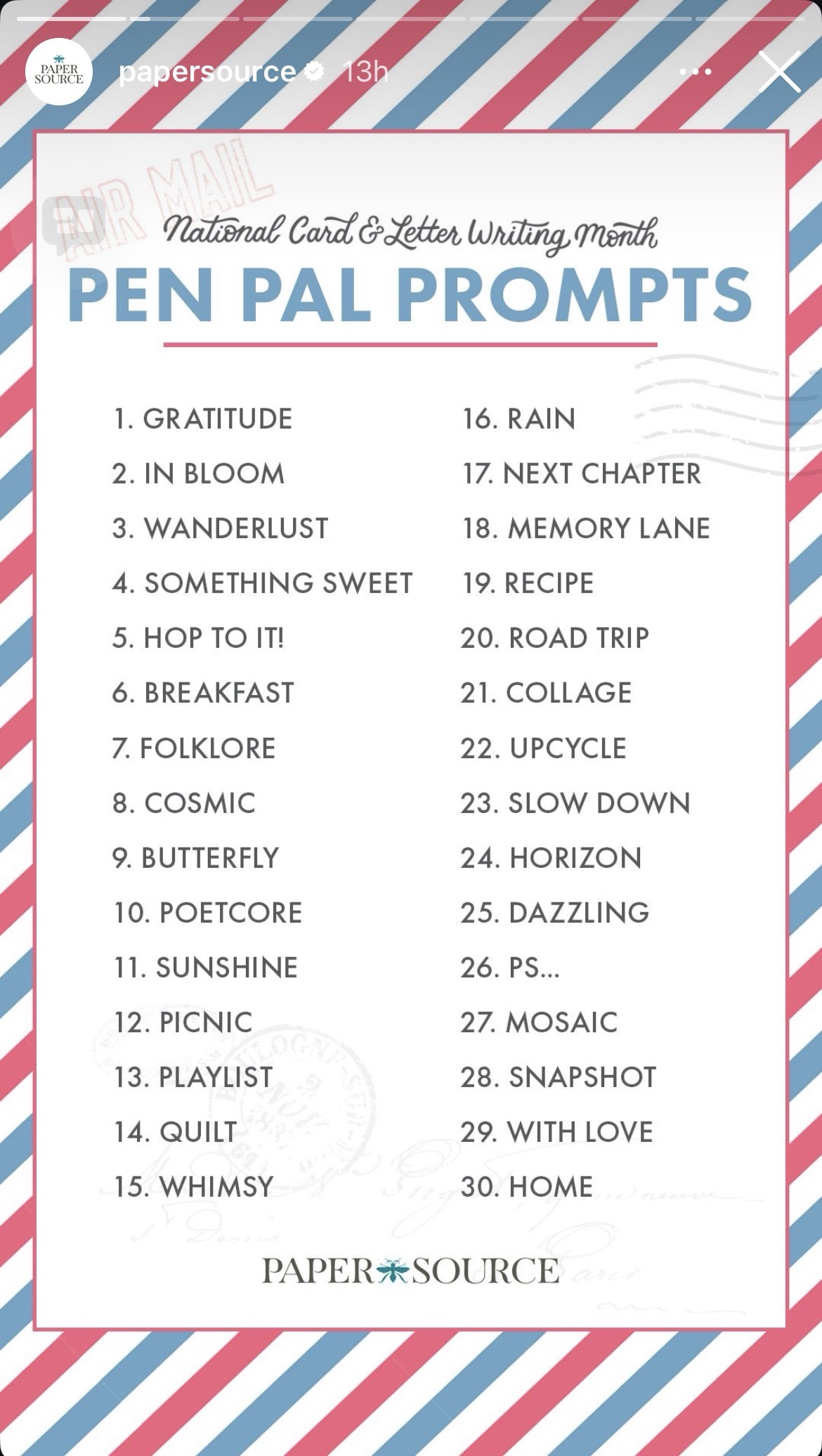
My favorite stationery and craft store, Paper Source, posted 30 pen pal prompts on their Instagram last week and inspiration has flowed freely since. I pulled out a small stack of washi tape cards from their storage and mentally prepared the recipient list. The first two cards are in the post to Son and Daughter, which I thought was a nice way to kick off this month of handwritten notes. So grateful for these two amazing humans in my life.
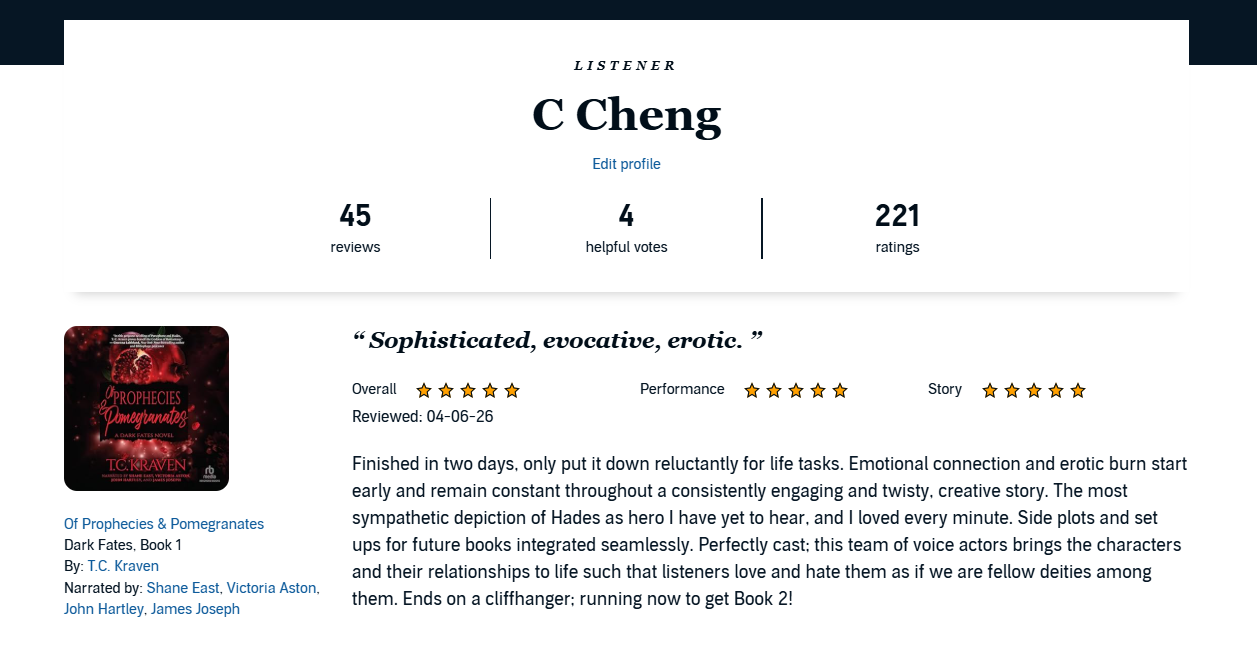
Then it occurred to me to invite friends to request notes! I’ve received two so far, and will continue to solicit all month. Meanwhile, the crafting bug bit me this weekend and after a great HIIT workout at Ethos yesterday morning I’ve basically been sitting, cutting, taping, stickering, and writing for two days (and listening to Of Prophecies and Pomegranates by TC Kraven–highly recommend!).
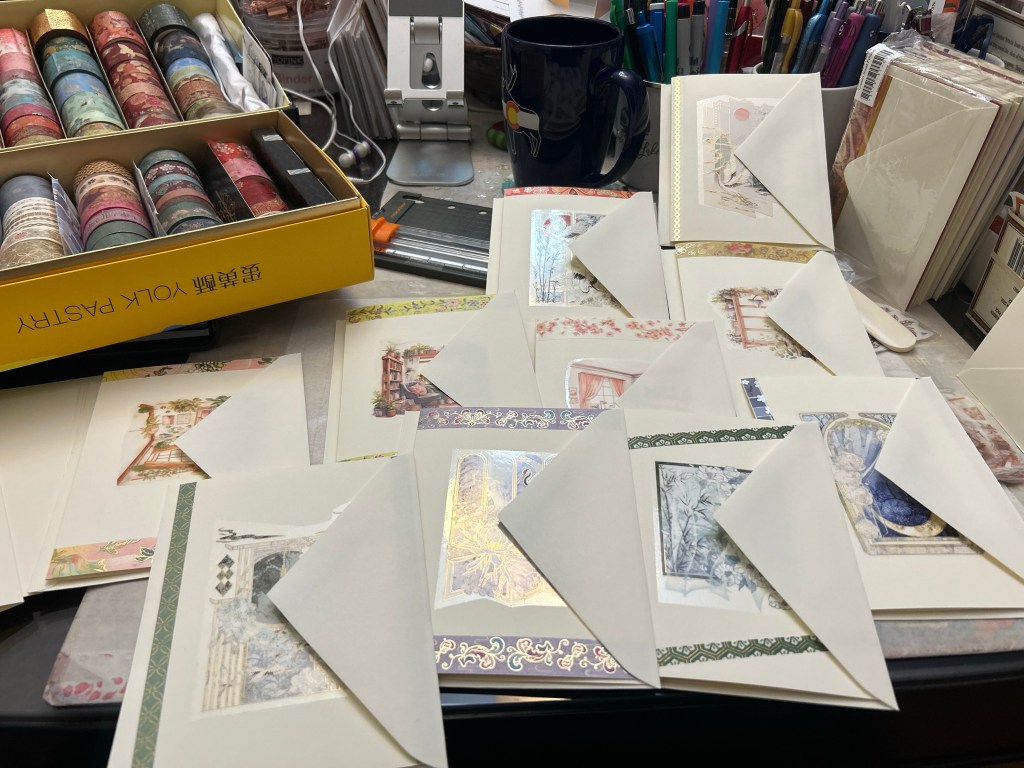
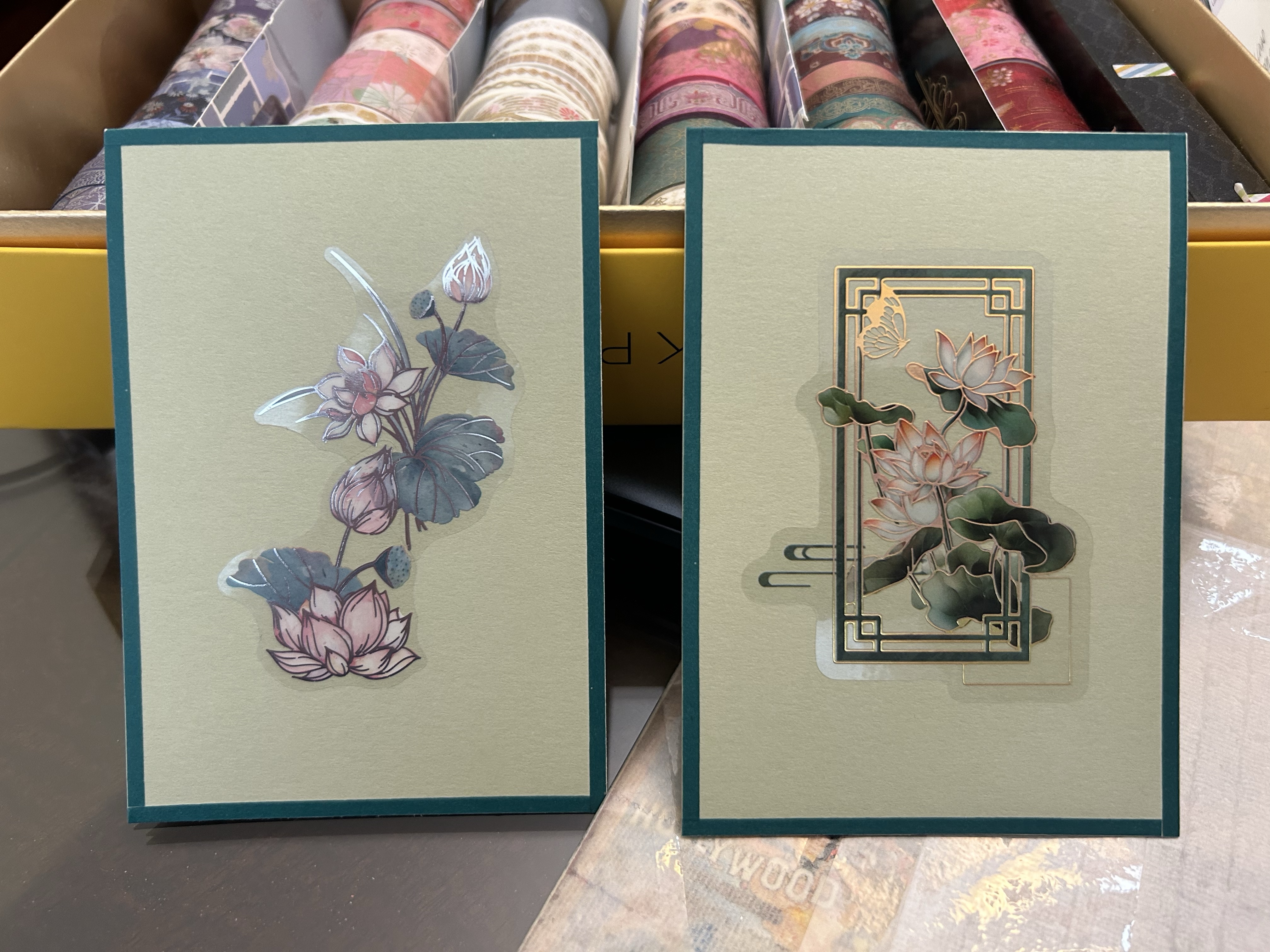
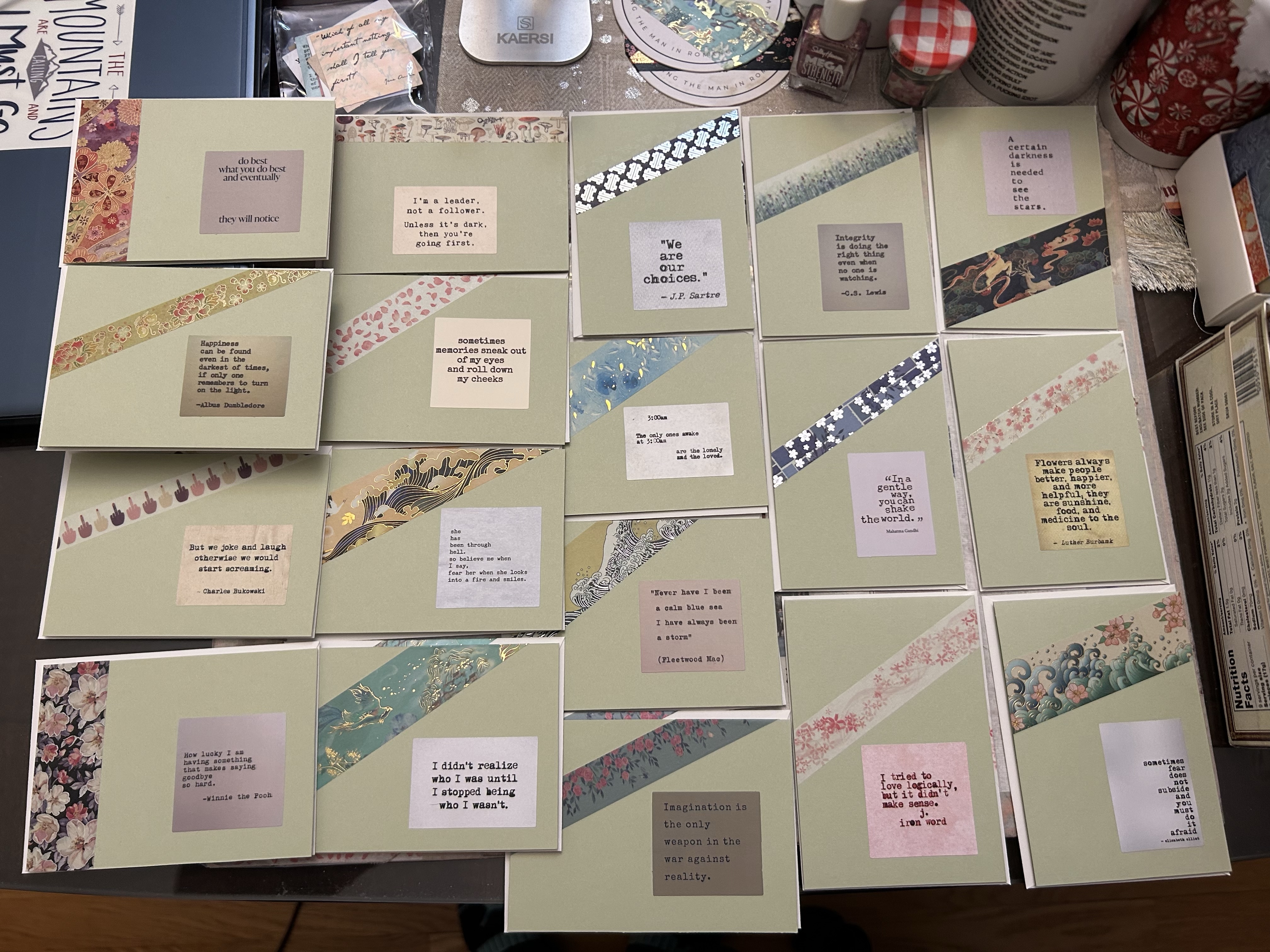
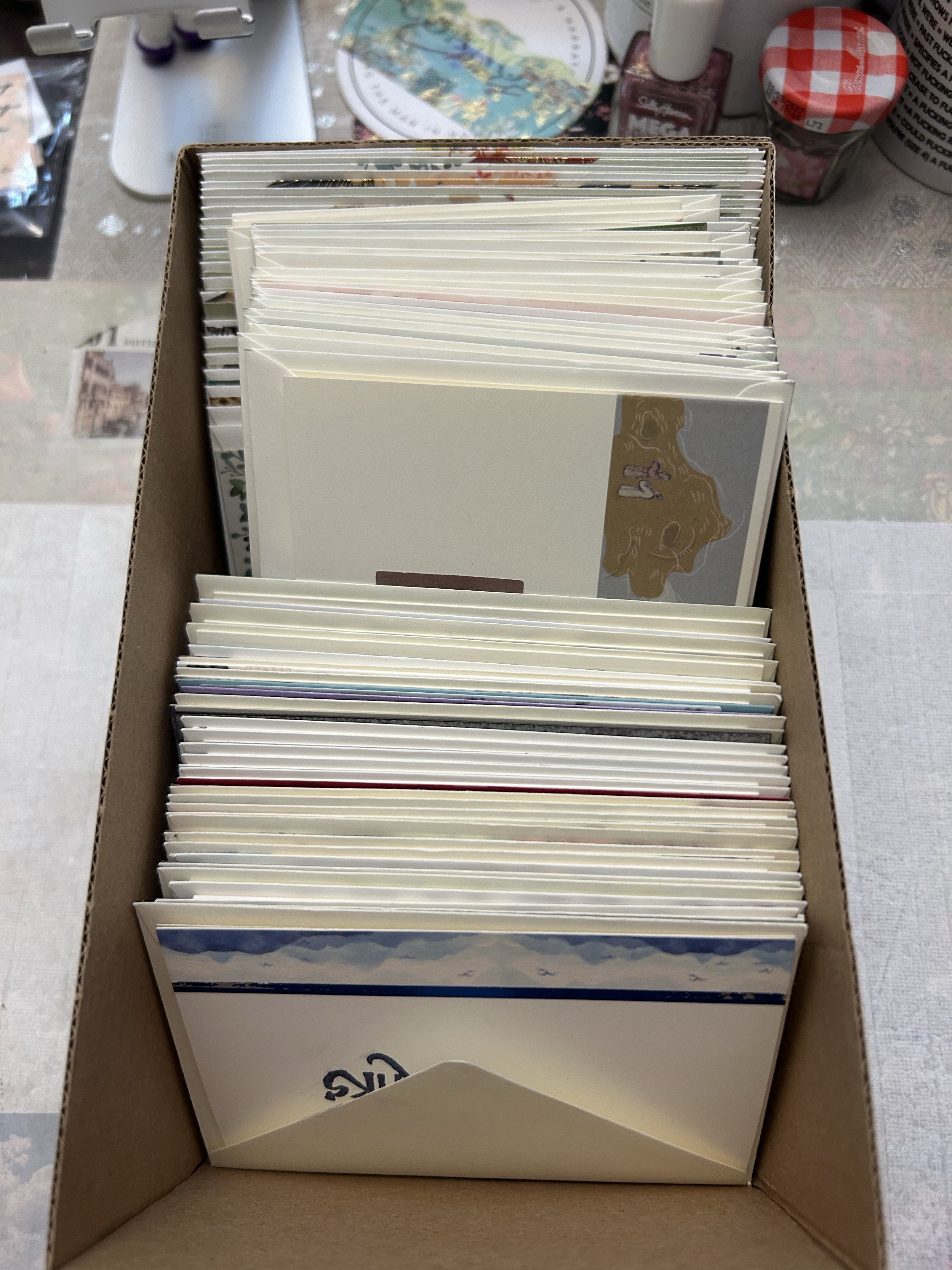
It reminds me of the year I wrote one thank you note a day for 365 days–turns out I blogged about that, and my washi tape card making was already well underway by then, 2019. Huh. We are who we are, I guess.
I realized recently that when the pandemic started, I had only been writing this blog for five years. It’s eleven years old this month. Looking back, it’s been both an intentional and unintentional (more unplanned for this duration) exercise in consistency and practice, a clear and strong What to my Why. This post marks 777 in the library, and I have no plans to stop anytime soon–148 drafts and infinite impromptu new posts await.
My morning pages practice stutters along. I carry that journal with me everywhere so I’m ready when new ideas strike. I write brain dumps, emotional processes, blog ideas, and any other words that occur to me in these A7 size books, and my stash of empty ones continues to grow–plenty of back up and capacity. I have now filled four pretty journals since March 2023 with writing and media I want to keep for posterity and inspiration. I traffic in words, people, and I fully embrace it!
I started another weekly writing project in January, which will eventually organize into Book. I will share more about that in time. Suffice it to say I have finally found it, after these eleven years, and it feels absolutely right. Every book idea before now has felt boring, formulaic, nebulous, or otherwise slog-like. With each outline or proposal attempt, “This could be great!” quickly devolved into “Ugh, I do not want to write that book.” But with continued weekly blogging, voracious reading/listening that has expanded from psychology to memoir to fiction, science fiction, romance and erotica, another decade of clinical practice, and now a newly empty nest, the essence of Book has finally emerged, and I am convinced it just needed to take this long. Big thanks to Grant Gosch, whose insightful and patient questions and reflections have helped me distill the myriad, disparate yet intersecting book ideas into this initial, unified project. I look forward to each writing session with curiosity, love, and excitement! In the end, whatever the project outcome, I will have had fun and connected to people in some meaningful way–another, bigger, What to my Why. When people read it, I wish for them to feel inspired, empowered, activated, and connected. I feel confident I can accomplish this, because that’s how I feel when I write it.
Ever since I learned about writing and mailing letters in second grade, I have relished written correspondence with disproportionate fervor. Even my clinical summaries for patients at the end of an executive physical feel like love letters–here are all of my wishes for your best health until we meet next year!
What is your relationship with snail mail, or just a handwritten note, card, or letter?
When and what was the last piece you received? Sent/given?
How did it feel?
To whom would you write today if you had a fun card, some nice stationery, or even just a Post-It and a few minutes?
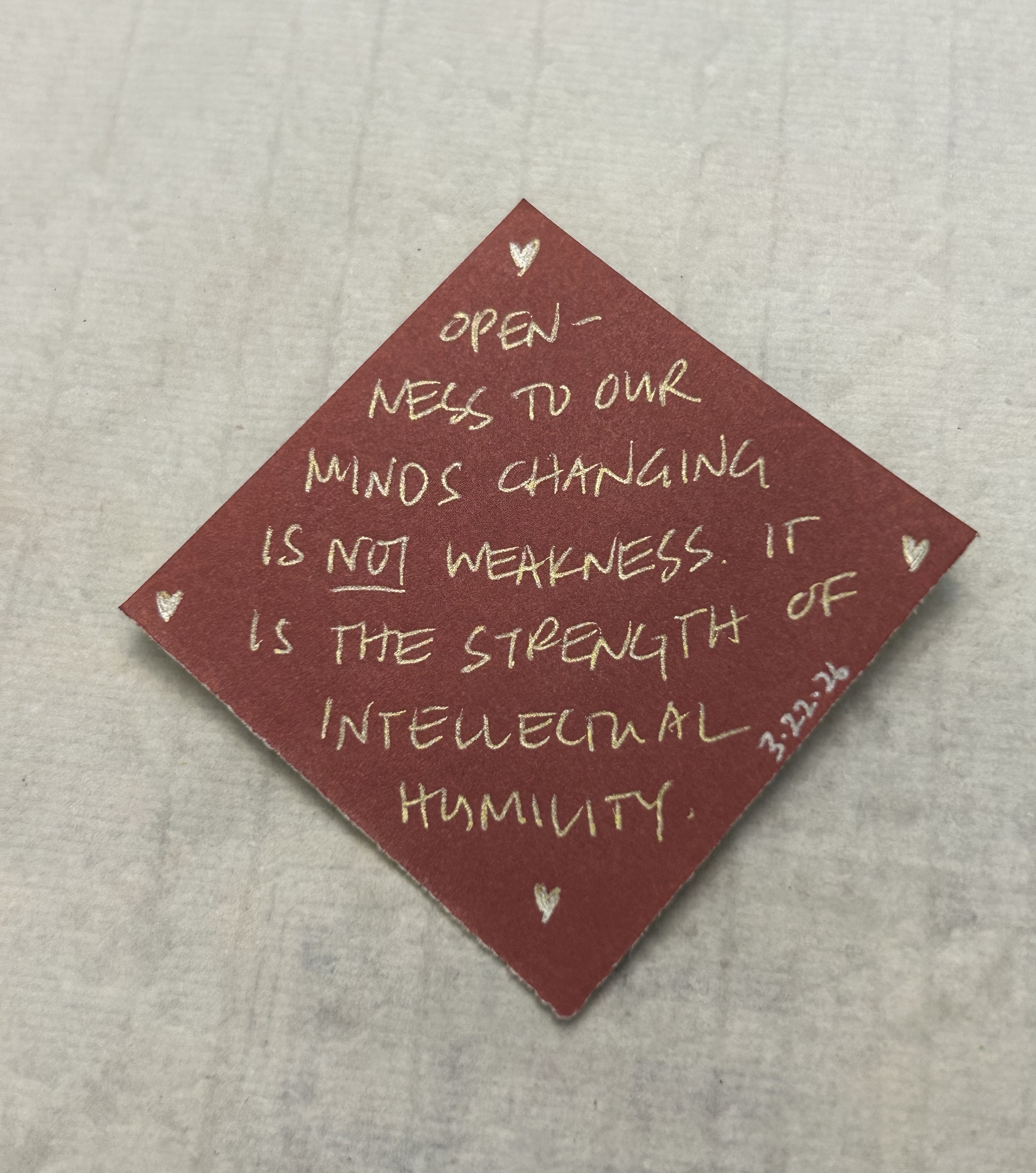
There are so many ways we humans find connection, love, belonging, and peace. Giving and receiving personal, handwritten messages stands out to me as one of the most special. I hope you may enjoy more of it this month and beyond.
 Healing Through Connection