
Rupture and Repair: Crowns Reflections Continued

Image by ededchechine on Freepik

Years ago I noticed a developing hole in my jeans, from the corner of my phone rubbing against the fabric in the pocket. I had no attachment to those jeans; I had just worn them for years so they were comfy, and they had a perfect place to put my little Nokia.
But as soon as I sewed the cute little flower patch onto the hole by my hip, they instantly became my favorite jeans. I loved them and kept them for years after I could not fit my hips into them anymore.

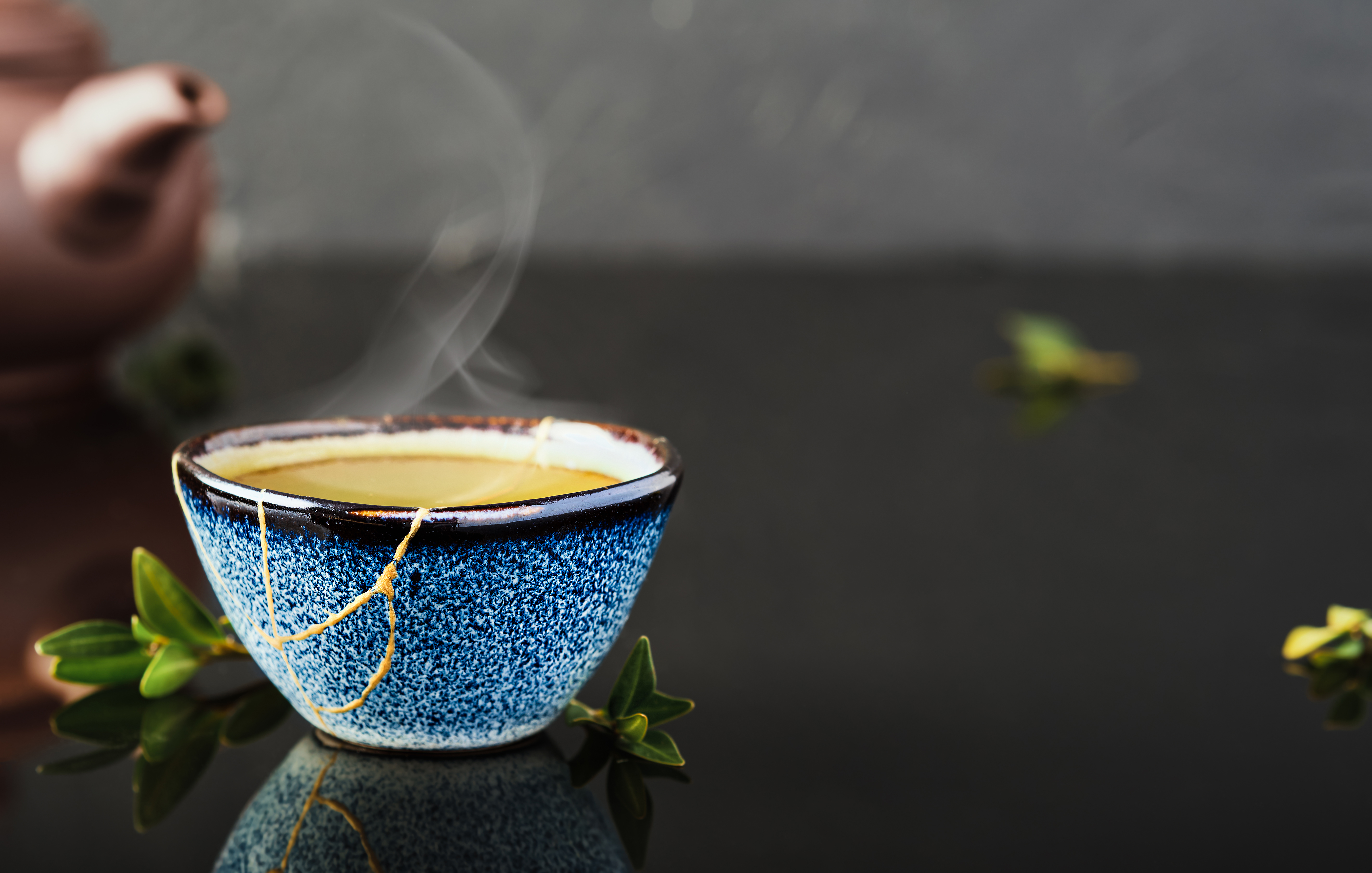
When we put effort into preserving, fixing, strengthening, and reinforcing something, it becomes more valuable to us, no? It could be old furniture, hand me down dresses, kintsugi pottery, or relationships. When we care about something, when it’s important to us, and when it’s irreplaceable, we repair it when it breaks. Which relationships in your life fit this description? Renowned relationship researchers John and Julie Gottman posit that repair after rupture makes us stronger together.

Looking back on nearly thirty years of marriage, now that the kids are out of the house, I think I see more clearly, and with new perspective, how much Hubs and I have really worked at this union. We are very different people who approach almost everything from polar opposite perspectives. I shake my head a little in amazement that we have lasted this long, honestly. But now I feel confident that we can last even longer, having basically grown up together. Each of us would not be who we are today if not for the other. And that’s pretty awesome because I really like who we are, individually and together.

***SPOILER ALERT*** If you have not read or listened to Nicola Tyche‘s Crowns trilogy, You may want to skip to the end here–after the Builders image.

As I think on the development and evolution of intricate relationship webs in this series, I marvel at the multiple, redundant, and quintessentially human conflicts between characters and their ultimate resolutions. As they persist and progress through the complex morass of emotions, uncertainty, and high stakes political intrigue, each main character grows in self-awareness, self-regulation, and effective communication. They learn about themselves and one another by observation, earnest reflection, and counsel from trusted confidants. Over years they feel out how to interpret one another’s words and actions. All of them speak impulsively and act out in times of distress. They get angry, fearful, and hurt; things rupture, sometimes severely. But bids for connection and repair occur consistently and more strongly than their divisions. Throughout the series, we witness and empathize with the characters’ ambivalence and resistance when duty trumps desire, loyalties compete, and circumstances force them to make heartbreakingly difficult choices. I could write a whole post for each of the relationship dyads below, they are all so lovingly and humanely written. But I challenge myself here to distill to one line each core relational essence. Every instance of repair and connection in this epic story elevates my oxytocin and serotonin; this must be why I return to it over and over, and why each listen lifts me just as much as every one before it.

Norah – Alexander: Tragically fated un-mates, redefining romantic to deep Agape love
Norah- Mikhail: Enemies to strategic allies to pair bonded souls in transcendent commitment
Norah-Soren: Slow, steady, and strong evolution of deep platonic love despite wildly divergent dispositions
Mikhail-Soren: Fierce love and loyalty tested to its limits and bonded ever more strongly for it
Alexander-Soren: Mortal enemies to honored brothers, by way of protecting Norah and mutual commitment to integrity, overcoming the greatest barrier to connection of the whole story
Norah-Catherine: Generational, political, and cultural discord overcome by loyalty and love
Alexander-Adrian: Fraternal love that mitigates friction and integrates the traditional with the progressive
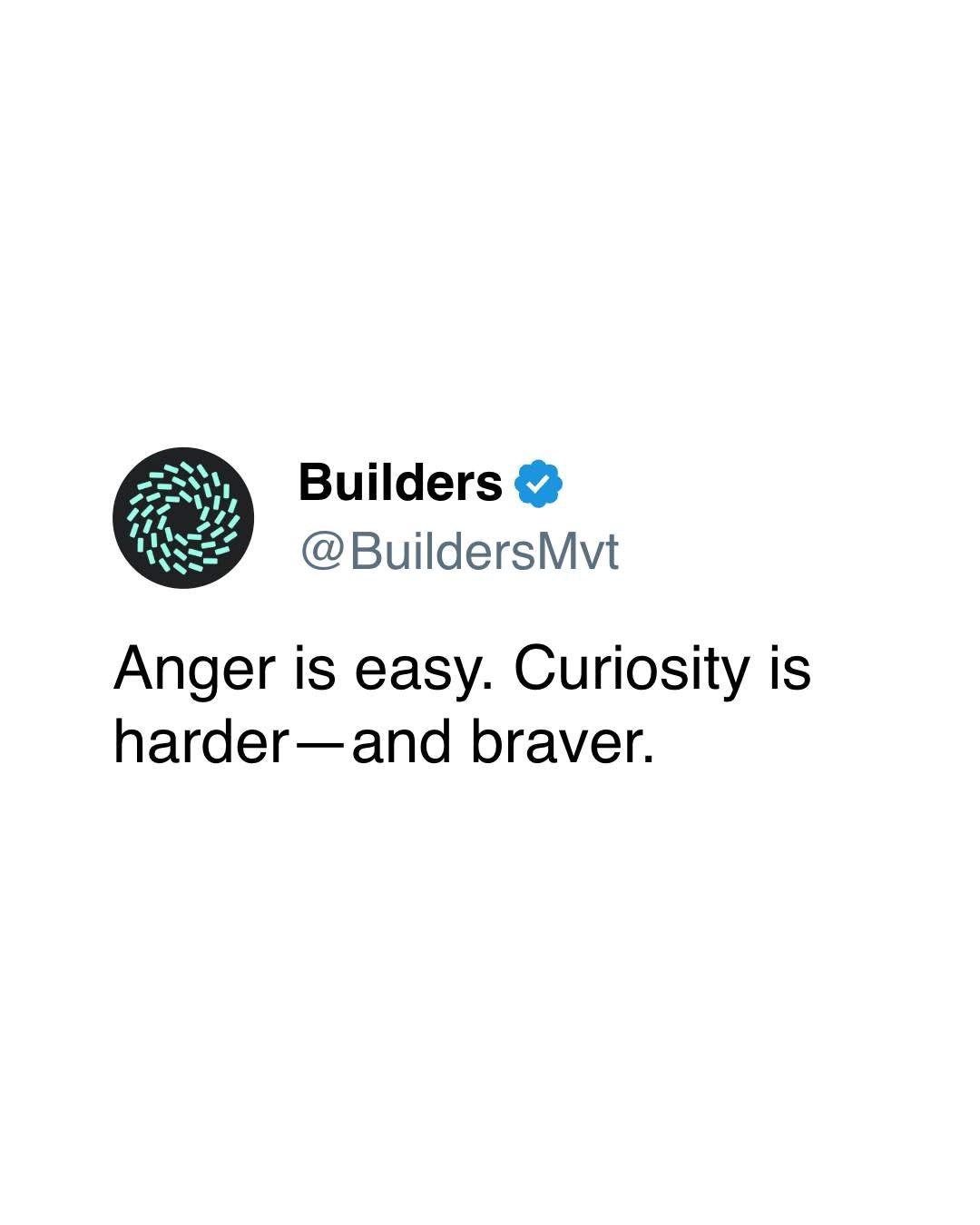
All relationships experience rupture. Which ones do you repair consistently? How have these conflicts and resolutions evolved over time? When we consider losing these relationships, after all we have invested to maintain and uphold them, what would that loss mean for our individual and mutual wholeness? On the other hand, when unrepaired ruptures fester and cumulatively fray the weave of a relationship’s fabric, when that connection finally disintegrates, it’s a whole other experience, an entirely different sense of regret, no?
I don’t assign right/wrong or better/worse to either scenario.
I just wish for us all to see, feel, and communicate more clearly and intentionally in our most valuable relationships, so that love may always repair and overcome ruptures from anger, prejudice, fear, resentment, loneliness, and the like. Life is just better that way.

Be Brave- Be the Change

So, what stands out most to you these days?  Surging COVID cases and hospital admissions?  SCOTUS aberrations?  Election tension and drama?  A sense of doom and nihilism about the future of humanity?  Hope requires ever more effort to acquire and maintain, no?

So many people complain about how divided we are, how the country is headed toward civil war… How we can’t talk to our friends who disagree… As if there nothing we can do about it.  But they attack my position, they just yell and scream, they get so emotional, I hear.  It’s too hard to talk, so I abandon my relationships that used to bring joy and connection.  And I blame the other; I take no responsibility myself.

Huh.

What’s the phrase, Be the Change you wish to see in the world?

Maybe we could do this a little more?

And then elect people who can lead by a much better example?  What would that be like?

Yes, it’s work. So. Much. Hard. Work.  And it never ends.

What’s that other phrase?  If not us, who? If not now, when?

We are all full participants here–the current state of things is the logarithmic sum of all of our relationships—the good, bad, ugly and all.  For whom are we waiting to save us?  How much longer will we each play the hapless victim?

We ALL share responsibility.

But it’s too hard, I hear.  Yes, I know.  I’m sorry, there is no way around this.  And it’s okay!  We can do hard things!  Humans have dominated our environment, defied nature, and flourished for generations.  And yet, we somehow still succumb to our most primitive and self-defeating tribal instincts—how fascinating!  Sometimes I really do feel like we will drive ourselves to self-destructive extinction in my lifetime.  But every day I wake up is another opportunity to avert this fate. 

And it is hard!  Every day I bite my tongue, moderate my thoughts and words so as not to slide down the rabbit hole of despair and denigration.  I still commit ‘passionate trash mouth’ as a friend calls it—I often follow “Be the Change” with “Own Your Shit.”  I’m not perfect.  But my mission is worthy and I pursue it with fervor.

It doesn’t have to be anything grand or far-reaching.  We can just remember a few things, for starters, to get us through whatever comes next—to exercise our own agency, each of us, to shape it all for the better.

The Opposition Will Not Be Vanquished.  Neither will they stop opposing.  Polarities are necessary and healthy in life.  Both conservative and progressive ideals serve the common good.  Competing and parallel goals and values will always co-exist—it’s a paradox—and the more we can accept this necessary and inextricable relationship, the sooner we can move with the push/pull flow rather than against it.

I lean progressive; you lean conservative.  Rather than mutual categorical conquest, we can seek dynamic balance—of power and goals, among other things.  Life with other humans is a dance; it requires attunement and differentiation, give and take, and mutual cooperation for us all to thrive.  Extreme ad hominem rhetoric and arrogant, self-righteous displays of disrespect fracture our relational foundations.  Cracks then propagate widely and we find ourselves here, on the verge of violence and social disintegration.

Find and Acknowledge the Kernel of Truth.  Life coaching taught me one of the most important lessons in life:  Everybody’s right, and only partially.  When the opposition criticizes you, your position, or the outcomes of ‘your side’s’ policies, do you validate the partial truth of that criticism?  Do you even see it?  Or do you maintain that your side is always right, and the opposition is always wrong?  Give and take, remember?  Admitting a flaw does not mean invalidating an entire ethos or platform.  Complex adaptive issues cannot be solved or even managed with sweeping and yet oversimplified, sound-bitten solutions.  I acknowledge the imperfection(s) in my program.  And, my intentions and objectives are important and worthy.  How can I learn from your challenging perspective and make mine better, more accountable and resilient, in service of more people?  What small steps can we take toward mutual understanding and collaboration, rather than bickering and stalemate?  How is my opposition actually my ally?

It Starts With Me.  Stop bystanding—complaining and whining like a spectator.  Rather, upstand for civil discourse—engage.  When someone yells at/near me in criticism and contempt, I can yell back, give as good as I get.  I can get defensive, stonewall, or disengage.  These are the horsemen of the relationship apocalypse, as John Gottman describes them (read about the antidotes here).  Instead of fight, flight, or freeze, practice tend and befriend.  Acknowledge people’s emotions and core values on all sides.  Empathize.  Verbalize understanding.  Voice your hurt feelings and invite the other to understand your personal perspective.  Tell your story.  Invite others’ stories and listen wholeheartedly.  Scary, right?  Vulnerable.  Brave

This moment calls us forth to peel off the heavy armor of hostility, binary thinking, and tribalism.  We are called to meet the ‘opposition’ disarmed and disarming, offering humility and compassion, on the open field of shared humanity and common goals.  We must advocate for our causes repeatedly with ardently calm and patient logos as well as pathos, and hear the others’ retort, calm and patient or not, with open hearts and a learning attitude.  It is up to each of us to lead by example

We cannot ‘beat’ them; we may or may not join them; and we can always meet them.  Negotiation is always possible, and like in all relationships, we must all show up in good faith, and have some faith in the each other.  We must commit and live up to our own trustworthiness first.

These are all skills we can learn, practice, and master.  There are models all around us.  We only have to look, listen, and emulate.  If you’re interested in more formal training and practice, check out Braver Angels and Better Arguments.  I’m signed up for another training session in December.  Practice makes better.