The Quadsection of Life Epiphany

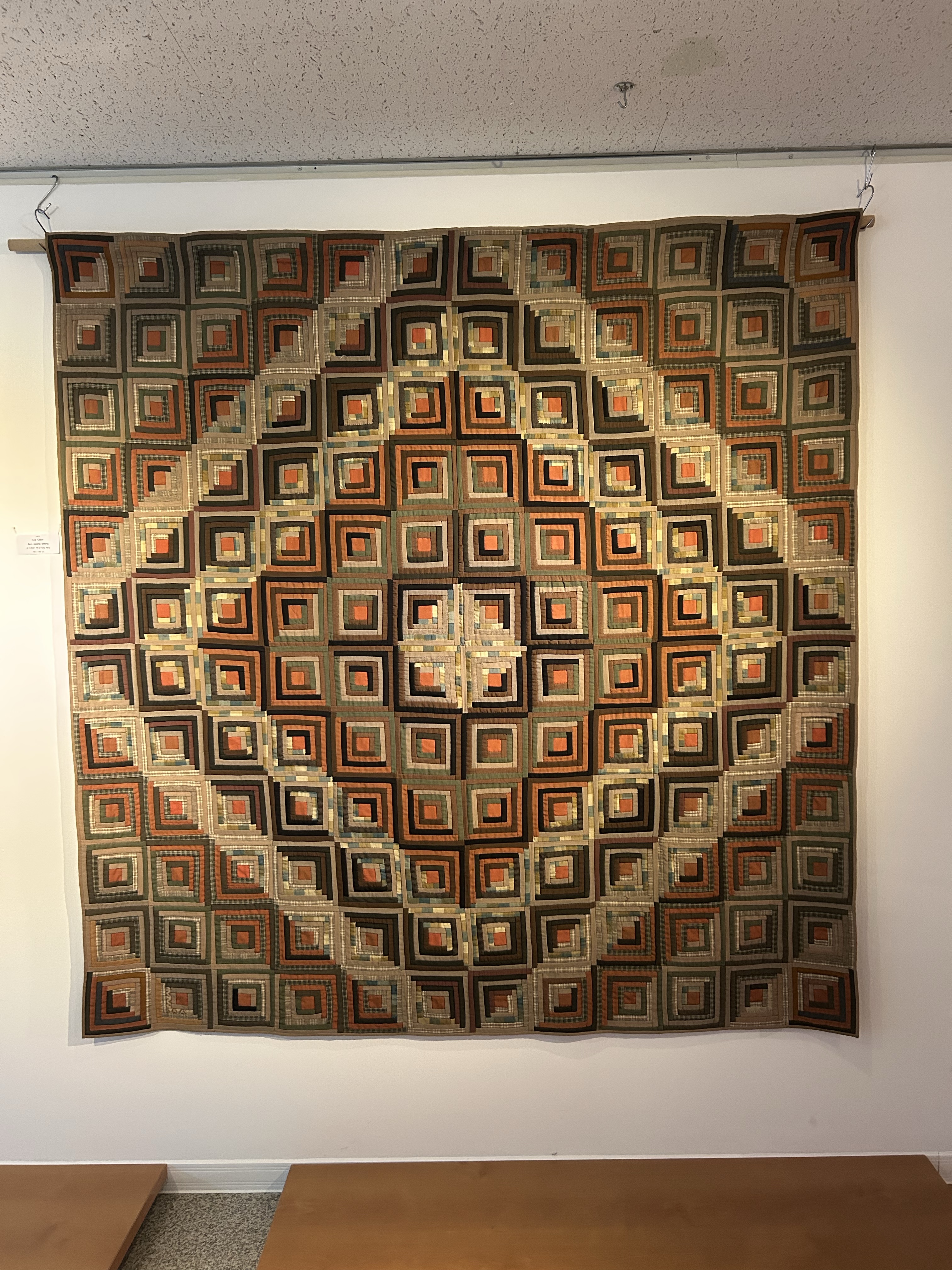
Chojun Textile & Quilt Art Museum, Seoul, Korea

FRIENDS! Don’t you just LOVE when you have a fun new idea that helps you think of life and humans more clearly?

This quadsection idea came to me completely fluidly and wholly about two or three weeks ago, a natural confluence and consequence of everything I have studied and learned in life to date. SO gratifying, I say! And as I share with friends and patients, It’s mostly validated so far. Now I look forward to seeing how it evolves in application and practice hereafter.
OK so:

We can frame life as an intersection of four things:

  1. DNA: Our inherited genetic predispositions. We can know much of these tendencies intuitively, and now objectively with advancing genetic testing. This influences possibly everything, but only in rare cases truly determines anything.
  2. Personal history: Our lived experience to date, including family of origin, culture, time in history, past traumas, world events in our lifetime, and all of our choices, actions, relationships–everything!
  3. The current moment: Environment, circumstances, mindset–down to this second or heartbeat, infinitely dynamic and fluid. This is the confluence of a multitude of factors; wow, it just occurred to me right now that this moment itself could be the multiverse convergence, no? Our perceptions and thus thoughts, feelings, words, and actions are formed in real time, in this moment, and depend, arguably, on the other three things.
  4. The innate human need for safety, security, connection, and belonging: In the end, what else do we live for?

What fascinates me about this framework is that we have no control over any but the second of the four–our own lived experience. We create it. And even then, all we have is agency, not actual control. In any given moment, depending on my mindset, physical state, and external circumstances, I have free will and choice, and yet much of my perception, response/reaction/action will be determined in advance by bias, pattern recognition (accurate or not), and automatic reflex before intentional cognition. And all of my past actions were the same–somewhat volitional, much not.

Additionally, each of us brings both totally unique and shared human experience to any given moment. Isn’t it a wonder, then, that we can actually agree on so much, and doesn’t this also explain how our experiences can and should be so wildly divergent?

If we accept this premise/framework, just for a moment, what do we then do with it? On one hand I can imagine responding with a victim mindset–seeing how little I actually control among these four determinants of life, I think of myself as simply an object of my genes, everything that has happened to me in life, and anything that will happen hereafter. I become passive and disengaged. On the other hand, also seeing how little I control, I exert disproportionate energy to achieve that control in those few domains. Personally, I land in the space of acceptance and agency (somewhere along this spectrum, no?): Recognize what I do not and cannot control, where I can act with influence toward my goals, in service of and in integrity with my values, and seek and/or create opportunities to maximize that agency and advance those goals.

Very soon after the framework occurred to me, I felt something akin to relief and elation. It was an epiphany, really. I had found the relationship between these four things–they intersect. So are they best drawn as lines? Vectors? Or could they be better represented by a Venn diagram? No, not Venn, because that would imply that some parts of life do not include one or more of the four aspects… But then again, is that true?

I still like the image/idea of intersection, but we could define the intersecting parts differently–ropes of variable size and thickness? Rope intersecting with light, with sound waves, and then with quantum energy? I imagine the intersection itself as dynamic, existing with an energy of itself, pulling on any of the four aspects more or less heavily in any given situation. We can intuitively imagine that genetics or past trauma may be more or less salient at this moment, in this enviornment, than in another. This ‘intersection’ is always at play, shifting and emerging in real time, influenced by infinite factors that still fall neatly into the four categories (or not?), creating our lives with each breath, each heartbeat, each quantum packet of spacetime. It’s a four dimensional configuration–I have no true understanding of relativity, but something like that image of the flexible spacetime grid fabric with indentations and protrusions comes to mind. Maybe a physicist reading this can confirm and/or refute the applicability of this image to my theory? Like I said, FUN!

So how does this all land on you, dear reader? Does it pique your interest in the slightest? Thank you for reading, as always. I have now documented my nascent idea, and if it grows into anything more interesting or significant, I can look back and see where and when it started.
Rupture and Repair: Crowns Reflections Continued

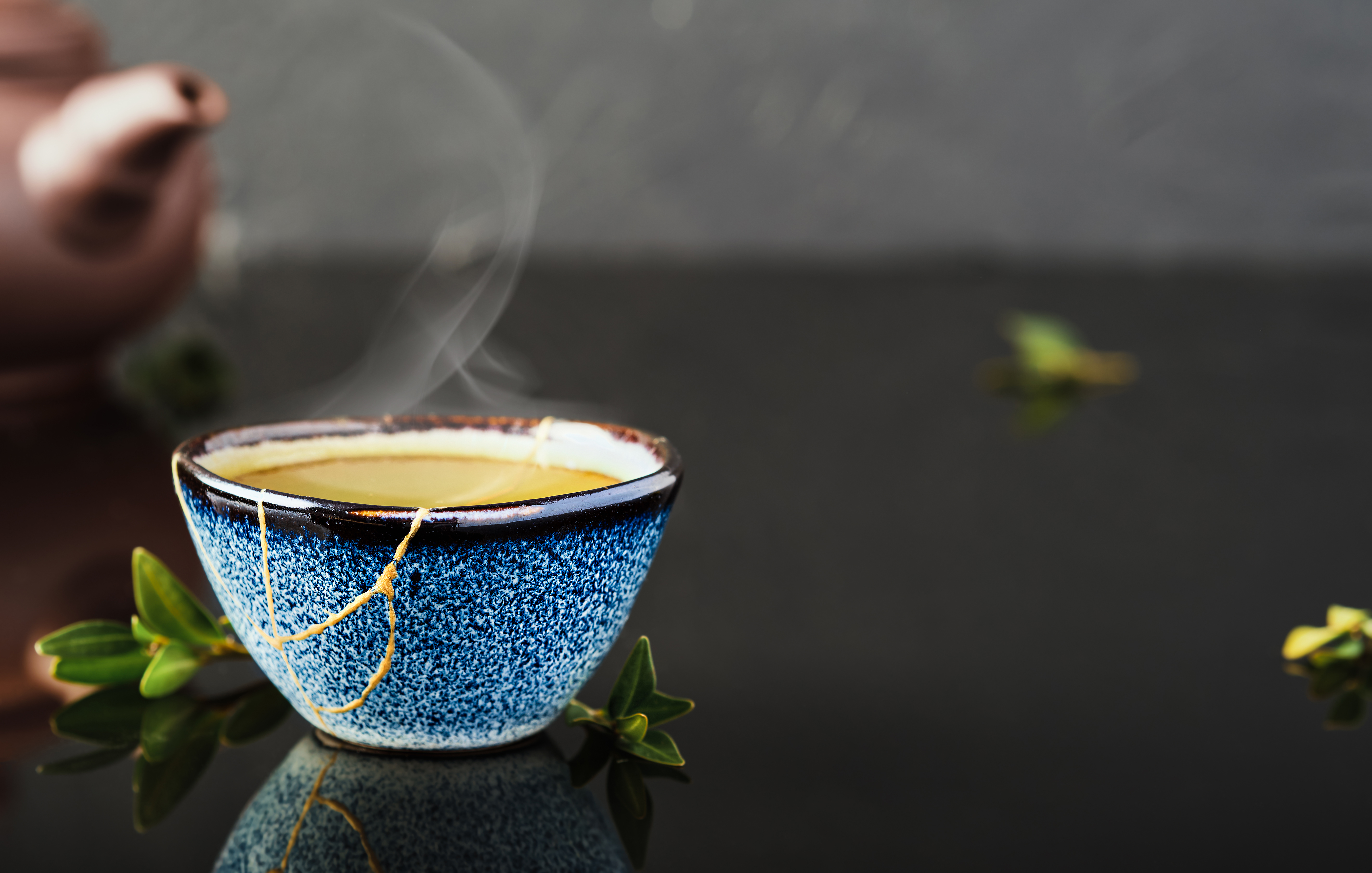
Image by ededchechine on Freepik

Years ago I noticed a developing hole in my jeans, from the corner of my phone rubbing against the fabric in the pocket. I had no attachment to those jeans; I had just worn them for years so they were comfy, and they had a perfect place to put my little Nokia.
But as soon as I sewed the cute little flower patch onto the hole by my hip, they instantly became my favorite jeans. I loved them and kept them for years after I could not fit my hips into them anymore.

When we put effort into preserving, fixing, strengthening, and reinforcing something, it becomes more valuable to us, no? It could be old furniture, hand me down dresses, kintsugi pottery, or relationships. When we care about something, when it’s important to us, and when it’s irreplaceable, we repair it when it breaks. Which relationships in your life fit this description? Renowned relationship researchers John and Julie Gottman posit that repair after rupture makes us stronger together.

Looking back on nearly thirty years of marriage, now that the kids are out of the house, I think I see more clearly, and with new perspective, how much Hubs and I have really worked at this union. We are very different people who approach almost everything from polar opposite perspectives. I shake my head a little in amazement that we have lasted this long, honestly. But now I feel confident that we can last even longer, having basically grown up together. Each of us would not be who we are today if not for the other. And that’s pretty awesome because I really like who we are, individually and together.

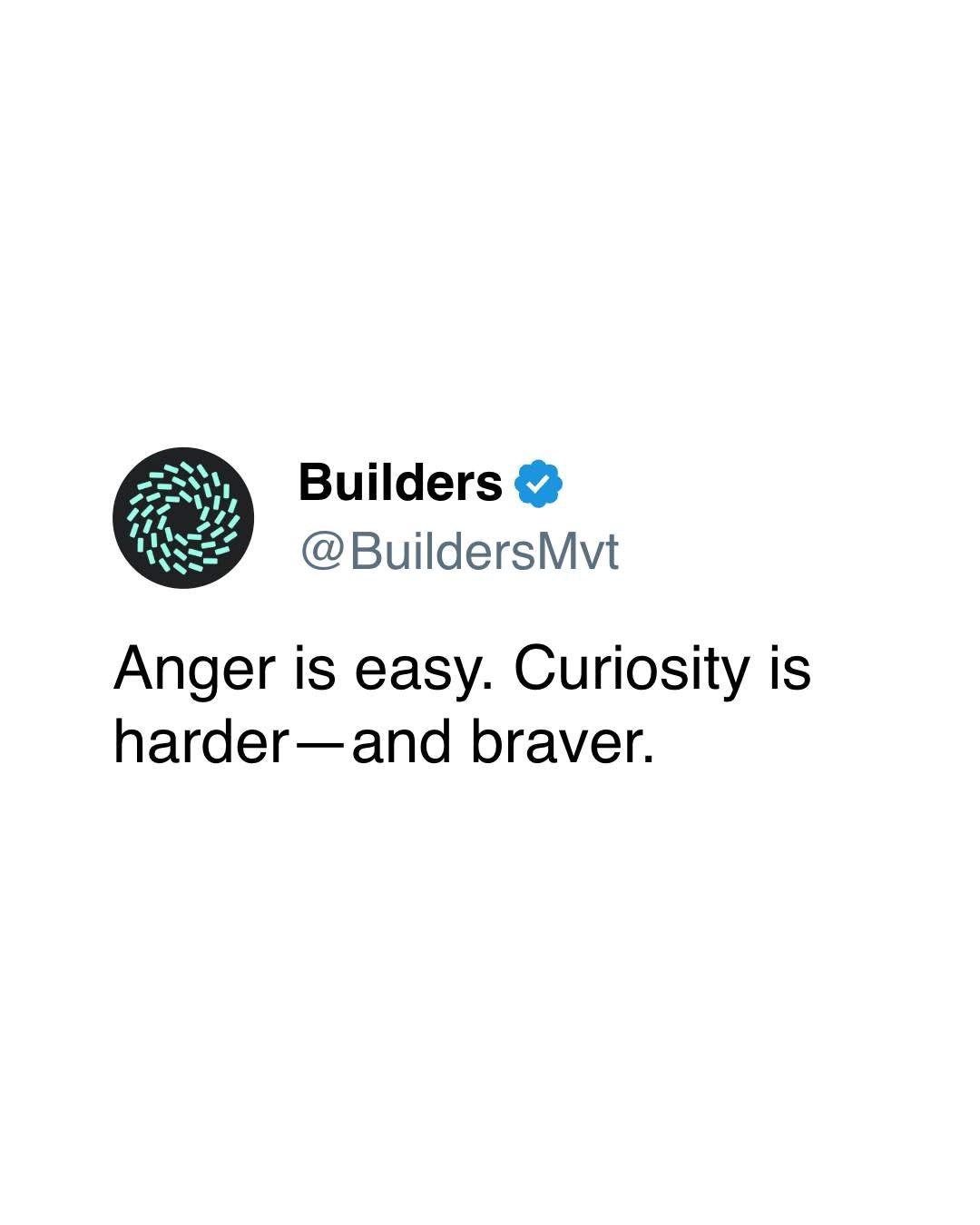
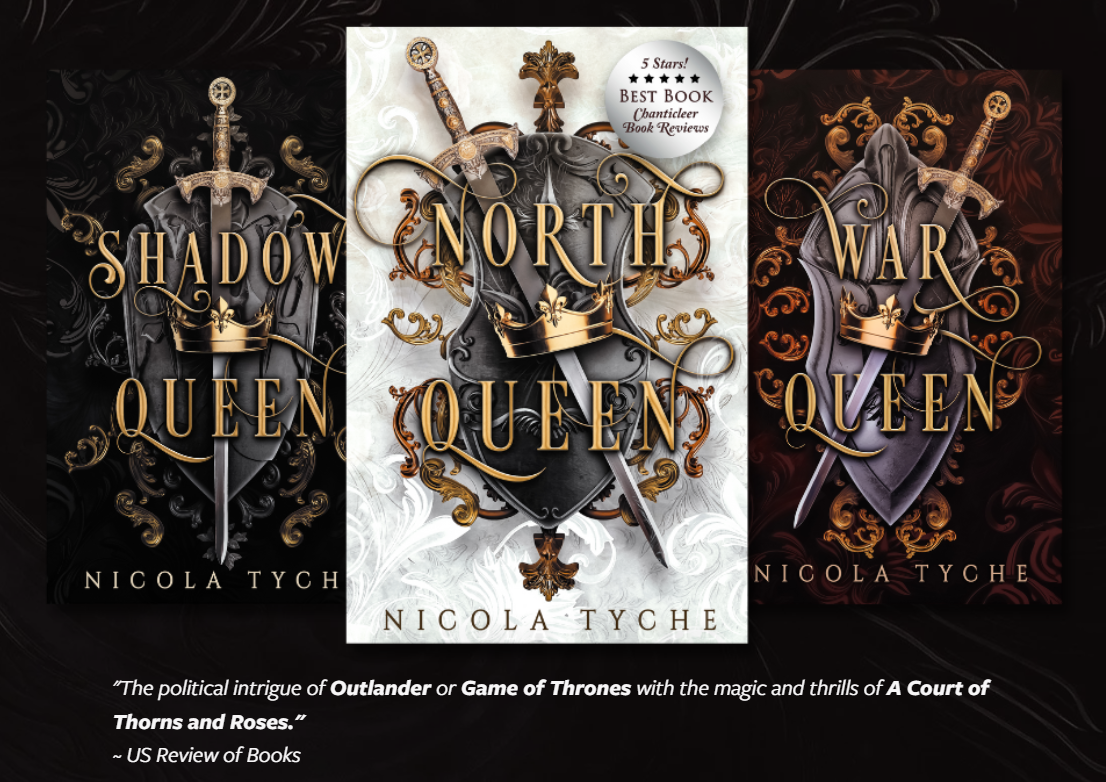
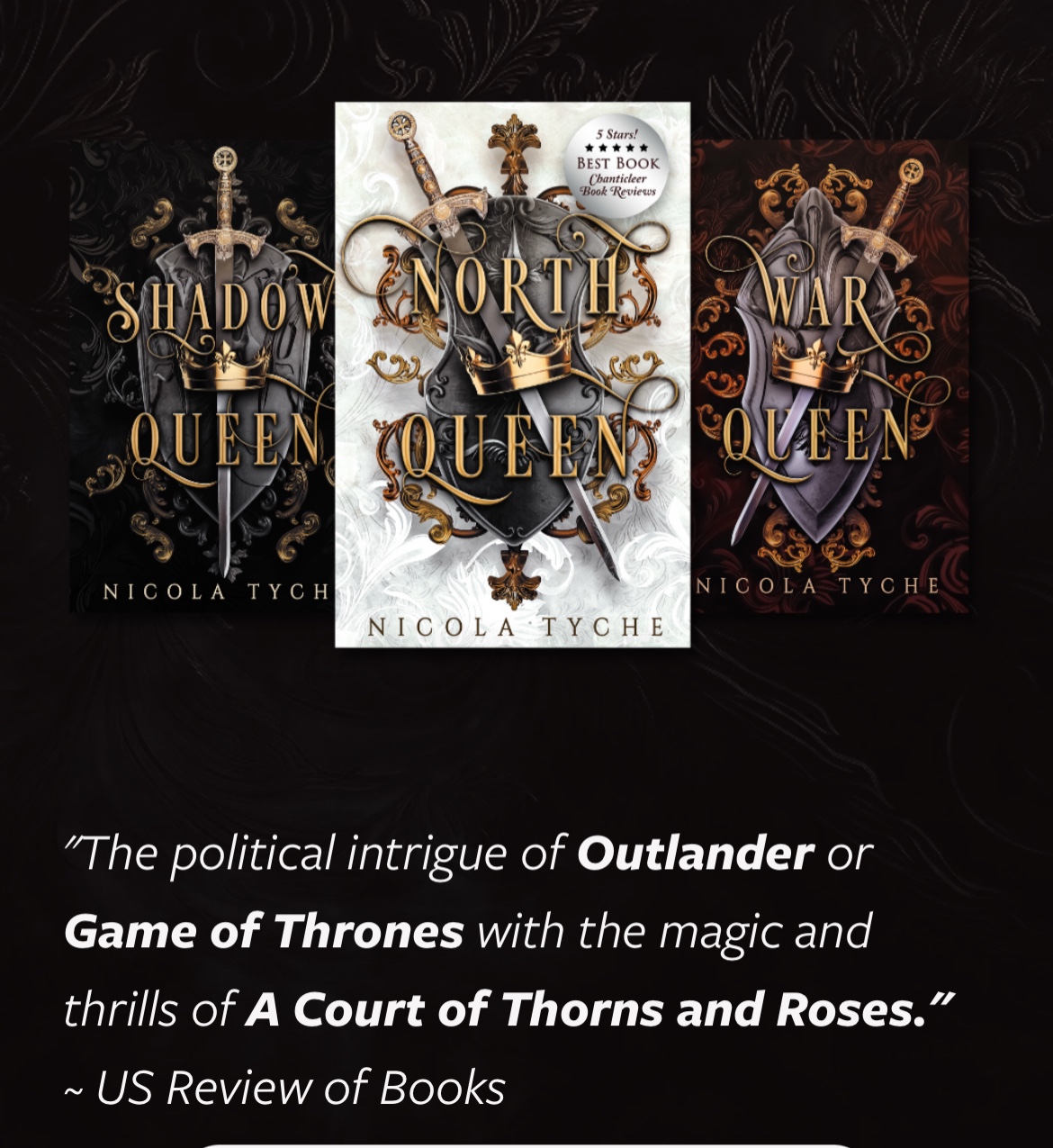
***SPOILER ALERT*** If you have not read or listened to Nicola Tyche‘s Crowns trilogy, You may want to skip to the end here–after the Builders image.

As I think on the development and evolution of intricate relationship webs in this series, I marvel at the multiple, redundant, and quintessentially human conflicts between characters and their ultimate resolutions. As they persist and progress through the complex morass of emotions, uncertainty, and high stakes political intrigue, each main character grows in self-awareness, self-regulation, and effective communication. They learn about themselves and one another by observation, earnest reflection, and counsel from trusted confidants. Over years they feel out how to interpret one another’s words and actions. All of them speak impulsively and act out in times of distress. They get angry, fearful, and hurt; things rupture, sometimes severely. But bids for connection and repair occur consistently and more strongly than their divisions. Throughout the series, we witness and empathize with the characters’ ambivalence and resistance when duty trumps desire, loyalties compete, and circumstances force them to make heartbreakingly difficult choices. I could write a whole post for each of the relationship dyads below, they are all so lovingly and humanely written. But I challenge myself here to distill to one line each core relational essence. Every instance of repair and connection in this epic story elevates my oxytocin and serotonin; this must be why I return to it over and over, and why each listen lifts me just as much as every one before it.

Norah – Alexander: Tragically fated un-mates, redefining romantic to deep Agape love
Norah- Mikhail: Enemies to strategic allies to pair bonded souls in transcendent commitment
Norah-Soren: Slow, steady, and strong evolution of deep platonic love despite wildly divergent dispositions
Mikhail-Soren: Fierce love and loyalty tested to its limits and bonded ever more strongly for it
Alexander-Soren: Mortal enemies to honored brothers, by way of protecting Norah and mutual commitment to integrity, overcoming the greatest barrier to connection of the whole story
Norah-Catherine: Generational, political, and cultural discord overcome by loyalty and love
Alexander-Adrian: Fraternal love that mitigates friction and integrates the traditional with the progressive

All relationships experience rupture. Which ones do you repair consistently? How have these conflicts and resolutions evolved over time? When we consider losing these relationships, after all we have invested to maintain and uphold them, what would that loss mean for our individual and mutual wholeness? On the other hand, when unrepaired ruptures fester and cumulatively fray the weave of a relationship’s fabric, when that connection finally disintegrates, it’s a whole other experience, an entirely different sense of regret, no?
I don’t assign right/wrong or better/worse to either scenario.
I just wish for us all to see, feel, and communicate more clearly and intentionally in our most valuable relationships, so that love may always repair and overcome ruptures from anger, prejudice, fear, resentment, loneliness, and the like. Life is just better that way.

Crowns Trilogy: The Most Meaningful Fiction of My Life Yet

What stories do you consume repeatedly? What drives this?

I have alluded to the Crowns Trilogy by Nicola Tyche a few times since I first listened back in November. Tonight I’m five hours away from finishing my fifth binge of the entire series since then. How fascinating!

Regular and long time readers of this blog will recognize other books with this kind of record in my history, such as The Art of Possibility and Start With Why. Recently the novels Beastly Beauty and Never the Roses have left deep impressions on me. The thread tying them all together, of course, is the centrality of relationship and integrity to oneself and one’s core values, and how this then shapes our connections to others. That theme certainly persists in Crowns, but its impact feels deeper, more acute, and I could not fully articulate why until these past weeks. Many thanks to my dear friends who have helped me put it into these early coherent words. I had already identified that it was the utter accuracy and completeness of the story’s depiction of humanity–its tender, messy, violent, complex, and paradoxical nature, that strikes me. But all good fiction does that. What is it about Crowns that hooks me so deeply?

First Sharon asked me, after hearing me gush about the writing, to describe specifically what I love about it. First, active verbs, hallelujah! Then the dialogue, the banter, the clever and subtle humor. Then the performances. Katherine Kennard, Connor Brannigan, and Zach Lazar Hoffman voice all of the characters with both technical precision and emotional depth. I imagine the writing made it easy for them to embody the characters, because the words are evocative. Fear, anger, devotion, anguish, loyalty, conviction, ambivalence, and, of course love–the characters’ conveyence of all these emotions and more spring from each chapter right into my amygdala, sparking it in ways I may have never experienced before from a book.

Phara first introduced this series to me, and I shared widely and immediately. Donna and Anna both loved it and we finally gathered to discuss last Thursday. For two hours we professed our admiration for Norah, the strong back, soft front heroine and our love for Mikhail, the utterly romantic hero we all wished to know better. We gushed over the loyal and tragic Alexander and his fun and lighthearted brother Adrian. But we saved our greatest devotion for Soren, for the depth and complexity of his character and the scope of his arc as the strongest and most lovable (in our opinion) hero of all. I named our group chat Sorenettes. Asked again, so lovingly, why this series affects me so, I was able to get to how the characters all show us how we can change our minds about people, groups, and ideas, and the inherited and established assumptions that we had previously held as immutable truths. This story gives me hope for connection despite serious barriers.

But it was Sean, whom I referenced in another post centered on Crowns back in December, who really cracked it open for me two days ago. Meeting in the Den at Ethos before our strength class, Sean’s face postively lit up when he asked, “Cathy, five times?” Remarkable and outstanding. I was queried again, invited enthusiastically to go deeper yet. And then it emerged: validation. Crowns hits me squarely at my Why, which is connection, especially across difference. Over three long books and over 40 hours of narration, the sweeping epic that spans kingdoms at war, a tragic love triangle, and the full scope of human emotion, the characters persist and finally triumph in the work of connection, despite myriad forces that oppose and threaten it, even mortally. What cosmic fortune that Phara gifted me this trilogy just when the world feels so lost to our ability to connect in general, and especially across any differences.

The insights have continued to roll out over the weekend. There’s too much to write tonight; I’ll have to do it all in chunks! That feels right–I want to savor the continuous processing, unfolding, emergence, and integration of meaning and synthesis that this story evokes. I already have at least three posts in draft, which I look forward to fleshing out: Rupture and Repair, Clinging to Our Beliefs, The Freedom of Being Seen and Known… OH, I could probably right a post a day this November based on quotes and passages!

My current thesis statement of the Crowns impact on me:
It is our face to face, one-on-one, personal connections, forged with continuous and concerted effort, patiently over time, despite both internal and external barriers and resistance, that save us. These connections require openness, curiosity, honesty, empathy, integrity, and humility from us all, and when grounded in love, they can overcome almost any division, I am convinced.

What relationships in your life fit this description?

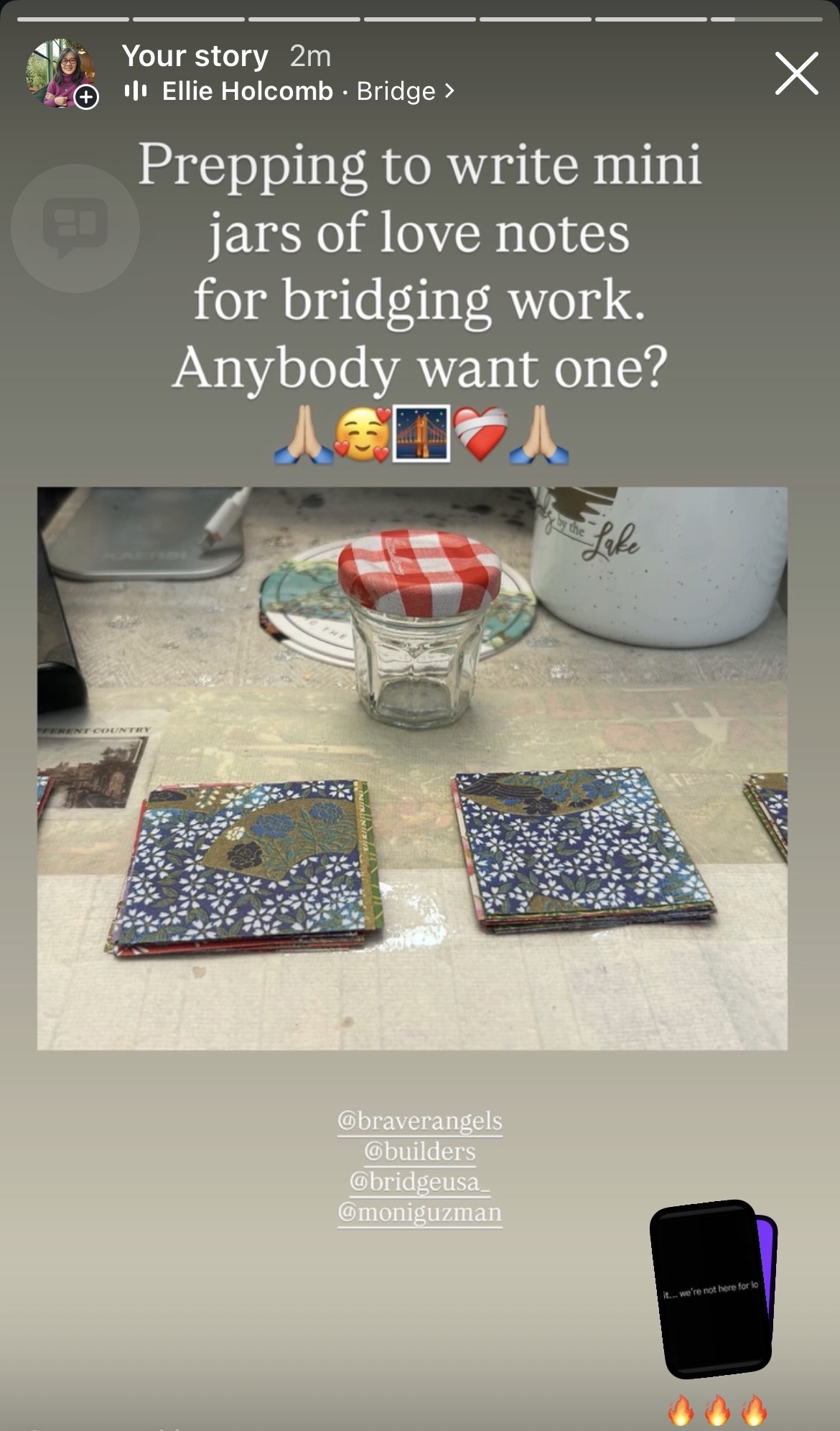
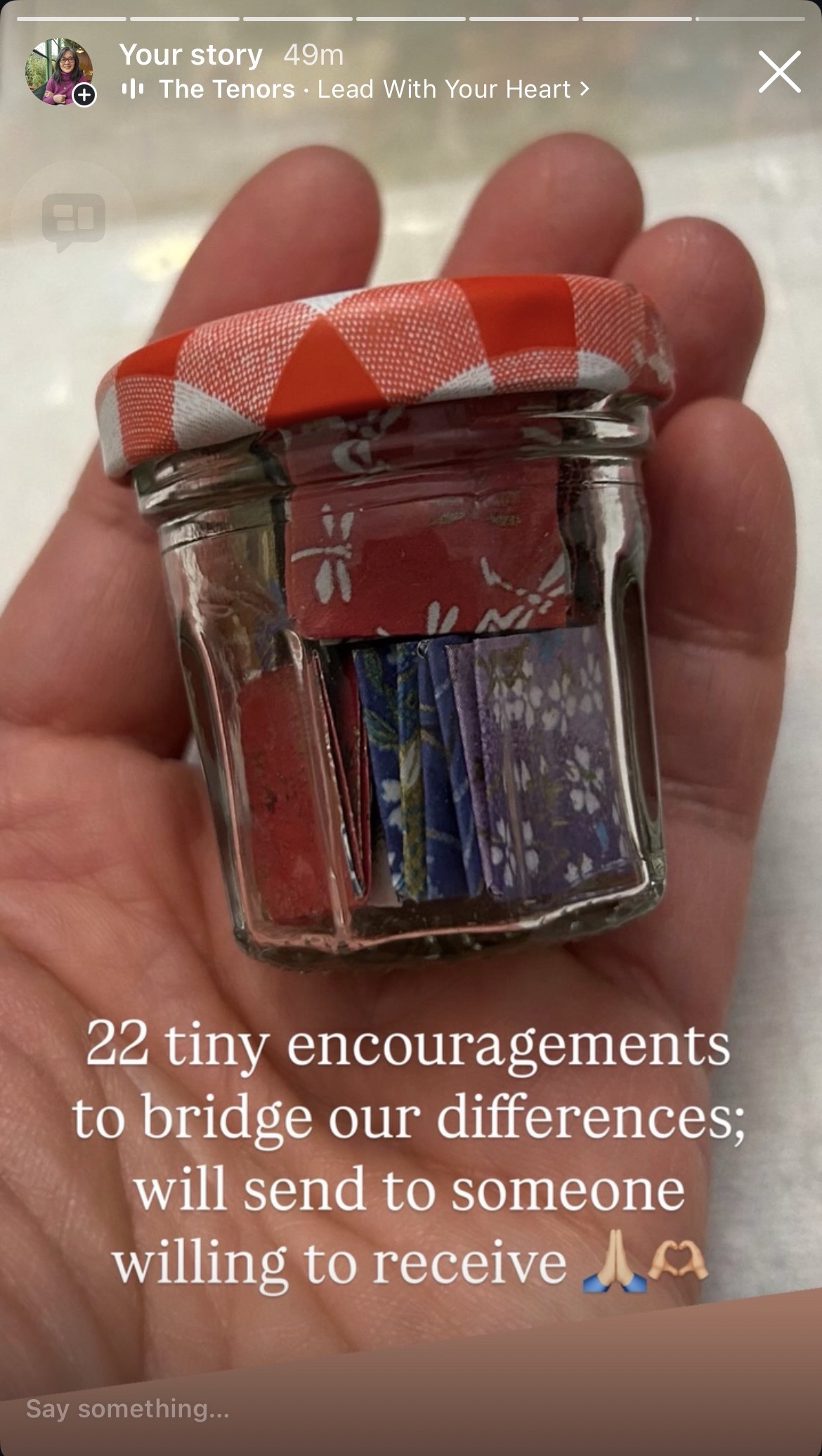
Interestingly, jar smile writing slowed down unexpectedly and disconcertingly these last few weeks. I sat down most nights with the intense desire to write, then found myself uninspired for the usual love notes. Fascinating. I managed to sputter out some decent ones for the Ethos jar before finally hearing the call. Lessons and insights from Love Your Enemies and Crowns swirl together like the sweetest soft serve ice cream in my head and heart, and that’s what I need to put into jars right now. I feel people’s desire for less adversarial, calmer, and more thoughtful discourse. I sense the distress so many feel that it may be a lost cause. It is not! There is hope! And I can literally ‘bottle it’ for us! I posted on Instagram tonight:

“Prepping to write mini jars of love notes for bridging work. Anybody want one?”
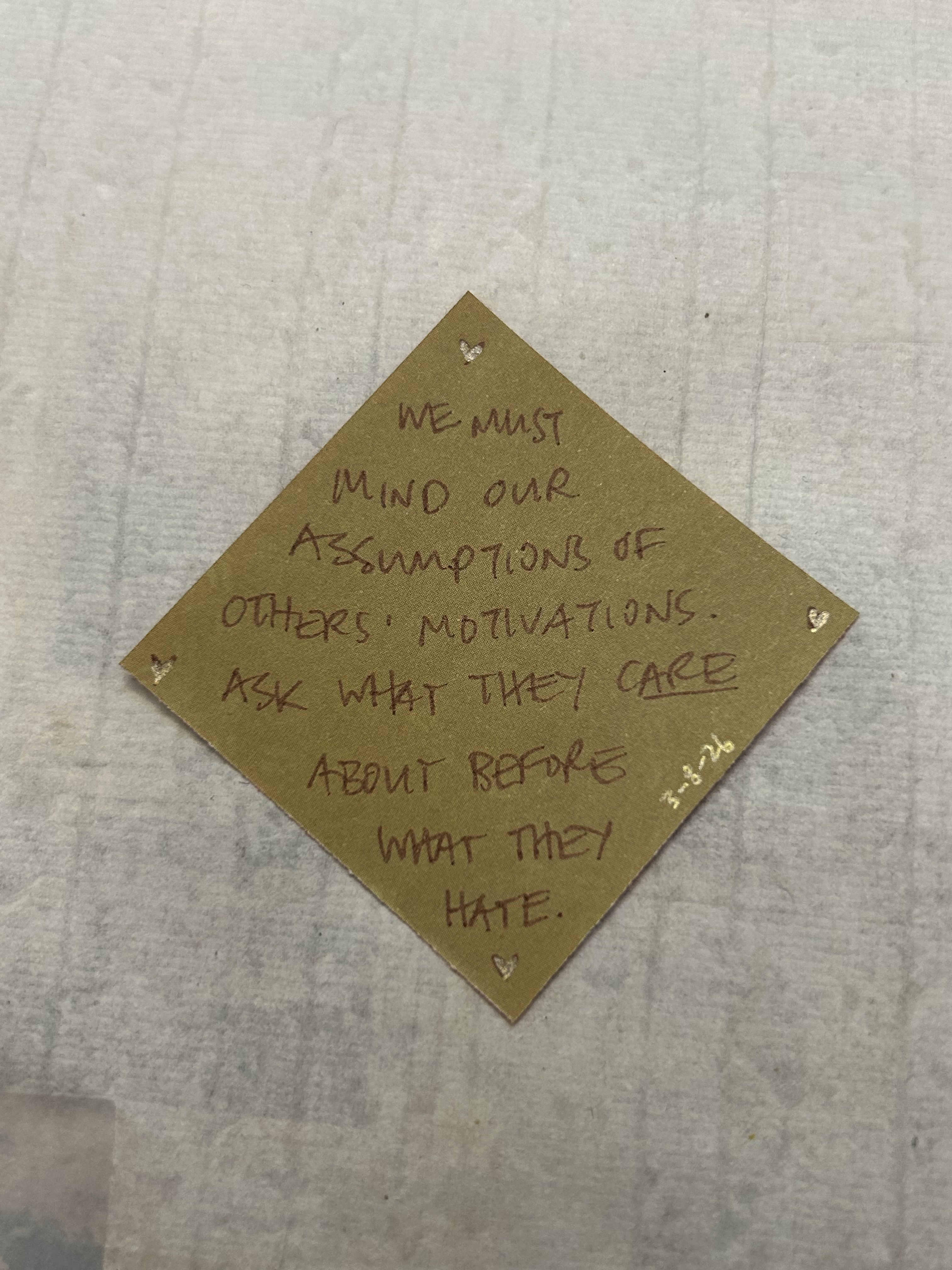
“We must mind our assumptions of others’ motivations. Ask what they *care* about before what they hate.”
“22 tiny encouragemennts to bridge our differences; will send to someone wililng to receive.”

The first jar is already spoken for, and I feel inspiration rising to continue and persist.

So much good work to do, my friends. And I cannot think of a better way to do it than together. Epic love stories and tiny love notes help, of course.