

This is the 520th post on Healing Through Connection, which turns 8 years old this month. I dedicate this piece to Son and Daughter– 哥 Ge (“guh” older brother) and 妹 Mei (younger sister)–a long essay of love.
Since returning from spring break two weeks ago, I’m in super-sponge mode. I’ve consumed about 12 new books in 22 days, and listened again to 4 favorite romances. I now read ebooks on my phone, which is much more tolerable than I anticipated. I scour the internet for anything that piques my interest, personal and professional–did you know that plants ‘cry’ when they get dehydrated, and animals may be able to hear it? And though my mind bursts with important and meaningful (to me) blog ideas, something blocks me from writing anything coherent or worth posting… Until now.
520. If I die after hitting ‘Publish’ on this post, that’s 10 years of weekly posts that 哥 and 妹 will have to read, to keep me in their minds’ ears, however they want and need. I don’t plan to die anytime soon, and yet none of us can really control that, can we? I wonder why mortality occupies my consciousness lately? It’s not heavy or looming, just a friendly existential companion that sidled up recently, maybe organically, as I enter some pretty profound life transitions–menopause, 哥 going to college… Suddenly, with this blog milestone, all those nebulous writing ideas click into place and call to be compiled into one message–a consolidation, a marker. So, onward:
Inclusion
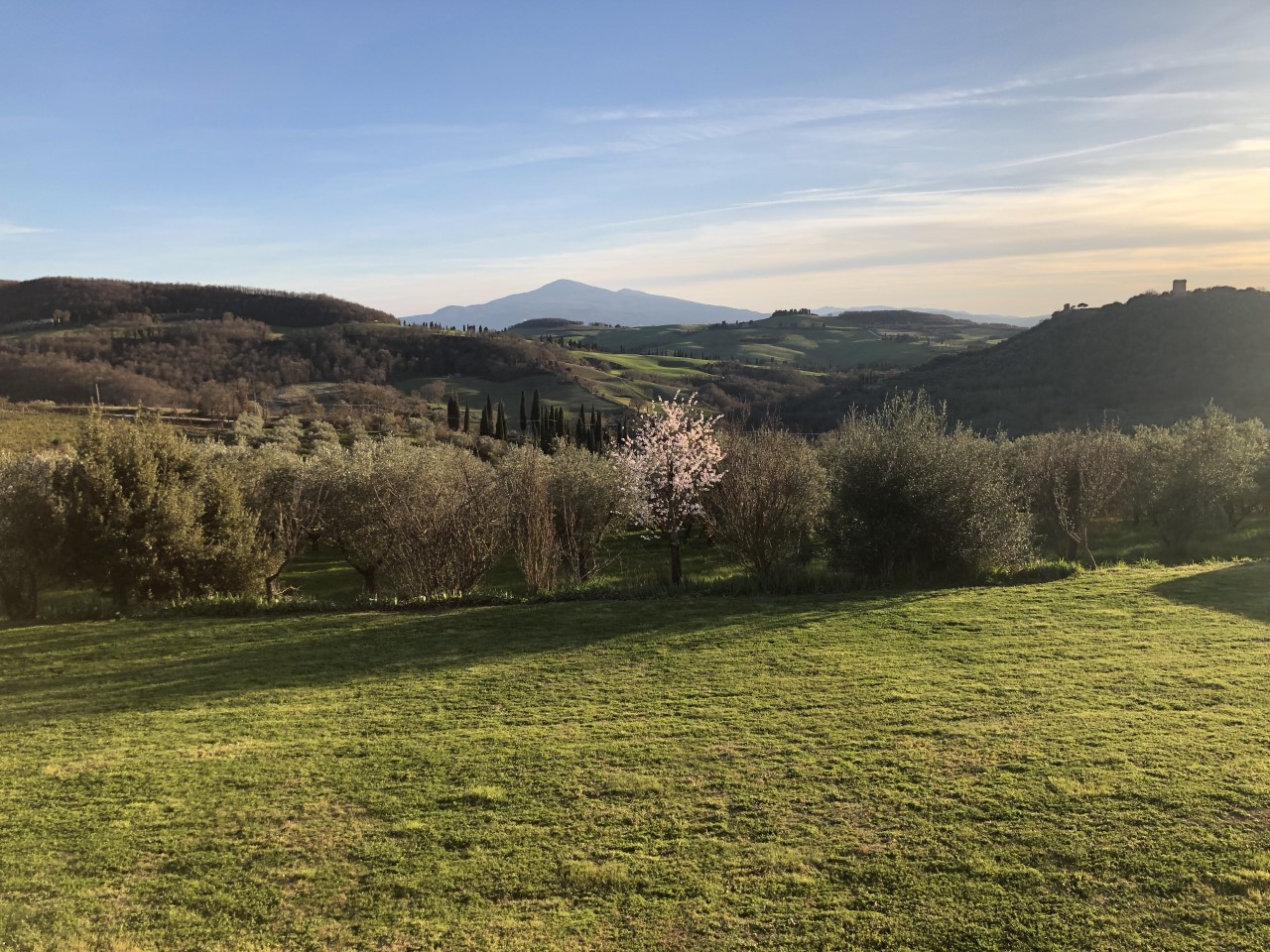
We went to Italy for spring break and a family wedding. 妹 has anaphylactic food allergies, making it extremely high risk–potentially life threatening–to eat out. Suffice it to say our food world has narrowed over the years, trading much freedom for safety, and few families can fully grasp the repercussions. My anticipatory stress around international travel eating weighed heavily, to the point of new physical symptoms and insomnia. We were both traumatized by an allergic reaction on the morning of Day 1 in Rome, but managed to get through without any major incidents the remaining 8 days, finding grocery stores for packaged foods and fresh fruit, and McDonald’s (what a mindf*ck that that is the only place around the world where we know she can reliably eat safely?). Throughout the trip, I held a solidarity mindset. As much as possible we stuck together, fueling strategically and avoiding situations where food limitations attracted unwanted attention or hindered our movement. I was hypervigilant, balancing nutrition, safety, autonomy, and enjoyment as best I could.
Niece, the bride, understands. Her child also has allergies, and she made heroic efforts to make sure meals at the wedding venue in Tuscany would be safe for 妹. There are not enough words to express my gratitude. Even so, I was beside myself with anxiety at the welcome dinner. Even after I spoke to the amazingly patient chef, who told me he would make her pizza himself, and served it first, before any others were made, I could not relax until the meal ended without incident. The night of the wedding, I watched from another table as 妹 ate her special menu (without fanfare or glitch), talking animatedly with her cousins and truly enjoying herself. But it wasn’t until brunch the next day that it really hit me. Niece and I had not spoken about that meal, and 妹 and I thought she would simply eat the food we had brought. But Chef had prepared a special bowl of pasta–by now we knew we could trust him and his whole team. When I saw her drop our food and dig in, her posture and expression looking as if she had not eaten in days, I almost cried. In 9 days of travel, these three meals were the only times she could really be with everybody, doing what everybody else was doing, participating. On this, the third day at the wedding venue, where the kitchen team had made accommodations that we had never experienced anywhere else, she finally knew she could eat freely, sure that it was truly safe. This is what inclusion feels like, I thought. I now have a new depth of understanding and perspective: I felt viscerally that we were loved, that she mattered, even though she was just one of us, and that is the difference.
Empathy
Dear Friend and I caught up on the phone for the first time since before my trip. We had so much to share, as her legal morass evolves and I continue to process Italy. Looking back, I see and feel the long and rocky road she has travelled these many years, and now finally, she approaches the mouth of a dark and oppressive cave. “This is a big fucking deal,” I kept saying, recounting our past conversations, my observations and reflections of her trials all this time. I could hear her get tearful at feeling seen. After describing my trip, including the frantic search for an emergency room and figuring out how to get English speaking medical services in Rome (thankfully we needed neither), Friend could feel my anxiety and stress–for the first time, even though she has known about my kids’ allergies for years. I could hear her new and stark realization–it’s amazing what we can communicate just with our voices.
True empathy occurs in layers. We can understand some feelings and experiences intellectually, thinking through a hypothetical situation, without really empathizing. It’s not until we can relate to someone’s emotional experience, to fully imagine what it feels like to be them, that we can truly stand in solidarity with them. It hit me, took me by surprise, this time by watching, seeing 妹’s body language. But most often I think it comes from listening–deep, attentive, quiet, and selfless listening. Hearing someone’s story, drawing it out more fully with truly open, honest, and loving questions, withholding our own assumptions, judgments, and biases–this is how we connect most meaningfully and hold one another up.
Reading also helps. I read Dear Edward by Ann Napolitano on the flight home from Europe. Imagine being twelve years old, flying from New York to California with your parents and older brother, holding all of the tumultuous ambivalence of that age and the upheaval of moving from one coast to the other in the midst of typically keen family tensions. Then the plane crashes and you are the sole survivor. Unimaginable trauma and loss, no? And yet Napolitano narrates the grief and healing with such artful use of language–describing thought disortions, visceral body sensations, relational mutations and their complex metamorphoses in accessible and heartwarming prose. Third person omnicient perspective takes the reader lovingly into the tender minds and hearts of multiple passengers as well as Edward himself. By the end, the admonishment to be kind to everybody, because we just cannot possibly know anyone else’s challenges, resonates deeply. Once again, I thank my book club for helping me realize the value of fiction! Mark Manson is right: “And this is why it’s so important that we read fiction, because it exercises our empathic muscles—it teaches us to see the world as others do, to understand their views and perspectives, even if we don’t necessarily agree with or like them.”
As of 2020, roughly one in twelve American adults has had a major depressive episode. In 20 years of medical practice and witnessing multiple friends and family members affected, it wasn’t until I read Matt Haig‘s Reasons to Stay Alive this month, that I gained such a clearer understanding of what depression actually feels like. Now I think this book should be included in any mental healthcare education curriculum, and if you have a loved one affected by severe depression and suicidal ideation, I highly recommend a read. It is honest, heartfelt, humble, and stark. Slow down and soak in his descriptions of the myriad thought distortions, physical signs, symptoms and sensations of depression/anxiety, challenges for which he has received more sympathy than for his mental and emotional anguish, and how to be and not to be there for someone with these conditions. Unsurprisingly, the former involves nonjudgmental presence, deep listening, acceptance, validation, and love–all key ingredients of connection, which is what saves us all.

Peace
Searching “peace” on this blog yields 103 posts, nearly 20% of the total content. Huh, must be kind of important to me? The post that stands out most to me is from March 30, 2020. Little did I know then what challenges lie ahead, globally and in my own house. That post may well mark an important inflection, when events inspired me to live into the concept of ‘forever is composed of nows‘ and ‘how we do anything is how we do everything’–to make my inward and outward selves align as much as possible.
In my newfound, middle aged liberation to speak more boldly and frankly with patients, we broach mortality more often than before. Taking this risk of conversational discomfort, the unexpected reward of deeper connection emerges. “At the ends of our lives, if we have 5 minutes to reflect, what will give us the peace to let go? What do we need to do, between now and then, to make this happen?” Not many questions lend perspective and prioritize my own life much better than these; perhaps the best outcome of the pandemic is the strong nudge it gives us to ask and answer. I still think the best way to die at peace is to live in peace, as much as possible, in each day, each moment, each breath. Easier said than done.
Richard Bach is quoted as saying, “You teach best what you most need to learn.” No wonder I perseverate on peace so much.

Self-Compassion
“You are extremely judgmental of (him).”
*sigh*
How ironic, the way I severely judge and criticize anyone who is, in my opinion, judgmental and closed minded. How fortunate that I have dear friend Donna, to point it out and hold me accountable to my own highest values and goals, even as I fail daily to meet them. She prefaced her feedback with, “I say this with so much love,” and I felt it in spades. She also sees the irony in my behavior–that I so value open mindedness and withholding judgment, all while wielding a severity of judgement that equals or exceeds that which I so readily and vehemently judge. And she accepts me anyway, honoring my aspiration ahead of execution, the person I strive to be, my best self. Her compassion leads me by example. I wish you all a Donna in life.
Once again, I am called–loudly–to confront my shadows and keep doing the inner work. Carl Jung said, “Everything that irritates us about others can lead us to an understanding of ourselves.” What I judge and criticize in others is often what I most dissociate about myself. The lifelong work of integrating my whole self–and thus inner peace–is founded on developing and practicing compassion for those parts of myself that I loathe the most, for whatever reason.
Looking back, I have come a long way. These days I allow my feelings rather than repress them. I query them with curiosity and don’t let them define me. Thus, I can move with and through them, rather than get hijacked by and then wallow in them. I can use my rational mind to moderate my emotions, using dialectical behavior therapy skills like Observe-Describe-Participate and Check the Facts. I can practice empathy and understanding by validating others’ emotions, even when they trigger my own.

In the last five minutes of my life, I may find peace if I can know that I lived according to my core values of openness, curiosity, and above all, connection. If I lived a life of self-awareness and self-regulation, leaving behind a community built on mutual respect and generous, loving kindness, then I can be satisfed at a life well lived, however long or short.
If you have not already, I highly recommend reading Enjoy Every Sandwich by Lee Lipsenthal, MD. Dr. L lived in peace, free from fear of death, while maintaining deep empathy and compassion for those who have not yet acquired the same serenity. So when he was diagnosed with stage 4 esophageal cancer at age 52, he was able to steward his loved ones through his own death, bringing them closer to acceptance than they may otherwise have gotten. The book resonates deeply with me personally, professionally, spiritually, and relationally. He shares his peace with us through his words, as I hope I may do, also.

520. I wonder what the next 8 and 10 years will bring, to and from the blog and in life? What a pleasure and privilege to share here. Thanks for reading along, my friends. Wishing you all peace, love, joy, and connection, today and all days.

 Healing Through Connection