What Are We Doing?

On this day in 2013, Karl Pierson walked into my high school with a shotgun. When approached by classmate Claire Davis, who asked, “Oh my gosh, Karl, what are you doing?” he shot her. She died 8 days later.

At her memorial on New Year’s Day, 2014, her dad Michael Davis said:

“We can all realize Claire’s last words in our own lives by asking ourselves, in those times when we are less than loving, ‘Gosh, what am I doing?’ … Unchecked anger and rage can lead to hatred, and unchecked hatred can lead to tragedy, blindness and a loss of humanity. The last thing Desiree and I would want is to perpetuate this anger and rage and hatred in connection with Claire. Claire would also not want this.”

Follow the link to read about the light that was Claire, who shone for 17 short years, and how she brightened the lives she touched.

I ran around all day today, forgetting this anniversary. I got to see a friend for coffee and talk leadership, culture, and honest appreciation. I got to run errands, buy things, enjoy an excellent salad while finishing romance audiobook #62, pick up Daughter from school, cook dinner, and now sit at my laptop to reflect and share my thoughts. Claire will never get to do these things, the things I take for granted.

She will never again sit in traffic, hearing people honking loudly in frustrated powerlessness. She will never now witness people actually getting out of their cars to confront each other on the street when one of them makes a wrong turn. She is not here to see first hand the rapid demise of her fellow humans, sliding ever faster and forcefully into grief, rage, violence, and hatred.

Seriously, what are we doing? Is everybody just walking around with a giant can of gasoline, looking to douse random embers and light wildfires, just to watch them burn? What are we feeling that makes us behave like (believe?) everybody we meet is the enemy? I am convinced that people who lash out, even in the most violent ways, are not fundamentally evil. I think we generally treat one another pretty well when we feel good ourselves. For so many, though, whose reasons for feeling pretty terrible are cumulative and compounding right now, I can see how unregulated negative emotions explode at any provocation. I can validate the emotion without condoning destructive behavior, and hold folks accountable to natural consequences. And let’s be clear, all of us do this sometimes, to varying degrees, under stress. Hopefully we can recognize in time to repair, in most cases.

Better to prevent, though–illness, disease, relationship rupture, and social destruction alike.

For myself, I commit to practicing, however imperfectly, one deep breath at a time. Before speaking. Before honking. Before entering a patient room. Before replying to an email or social media post. Before snark. I will go to bed earlier, drink less coffee, eat more plants. I will move my body regularly. I will look for stories of people helping each other and share them generously. I will practice gratitude and presence, humility and curiosity. And I will connect deeply and unabashedly with the people who do the same, so we may hold one another up.

We can ask, and then act, when we answer the question, “What would LOVE do?”

And maybe let some music lift us, too. “Forever Young” by The Tenors helps me tonight.
Whose BEAST Are You?

I feel protective. My friend has embarked on a necessary lawsuit to address wrongs done to her by someone she trusted. Generally I shun litigation as a means of conflict resolution, and I understand that in some cases it is the best path to justice. My friend shares this ethos, and has so chosen a like-minded lawyer. Her opponent has a very different mindset, one of fierce aggression and, sadly, meanness. In talking with Friend, we both feel her vulnerability, the risk of getting steamrolled in her efforts to be fair and equanimatous, even in the face of intense acrimony. She wonders if her lawyer (and she herself, maybe?) can withstand the vitriol flung their way without 1) returning in kind and/or 2) acquiescing simply to get through.

Over breakfast, I tried to articulate what she needed in her lawyer, and wrote it to her later in an email, so she would have it to mull over and expound on. What follows below is a lightly edited version of my message to her, and some reflections of my own after writing it. I love how talking and writing bring me so quickly and effectively to new insights and syntheses of ideas, core values, and resolutions. Onward, my friends!


I get (and validate!) that you sought a lawyer who is “not a fighter”… and you also need an effective advocate. Not adversarial for sure, but assertive and strong.

Like a quiet, confident alpha—tall and straight, with commanding posture–someone who knows they can own the opponent if they want to, but feels secure enough to not need to flaunt it.

So there is a degree of BADASSERY required here too:  You need someone SMART, and SHARP.

Looking for a metaphor here… Not sure why I gravitate toward vehicles—Bullet train? Mack truck? Snowplow? Maybe because the process is necessarily movement, transportation is required, and there is a destination, the path to which presents multiple and formidable barriers?

The BEAST: The US presidential Cadillac—that is your ideal ride to the other side of the lawsuit (over the bridge? Through the morass?)!

Big, black, heavy, SOLID.  GROUNDED and MOBILE at the same time.

Heavily armored–DEFENDED and SAFE, but not weaponized (I think).

Moves with purpose and agenda, no wasted fuel or frivolous trips.

People see it coming and move out of the way with respect.

And if attacked, the cargo–you and your interests–are protected.

Can plow through traffic if absolutely necessary, but only does so as a last resort:

Move or I will move you, make no mistake.

Try me.


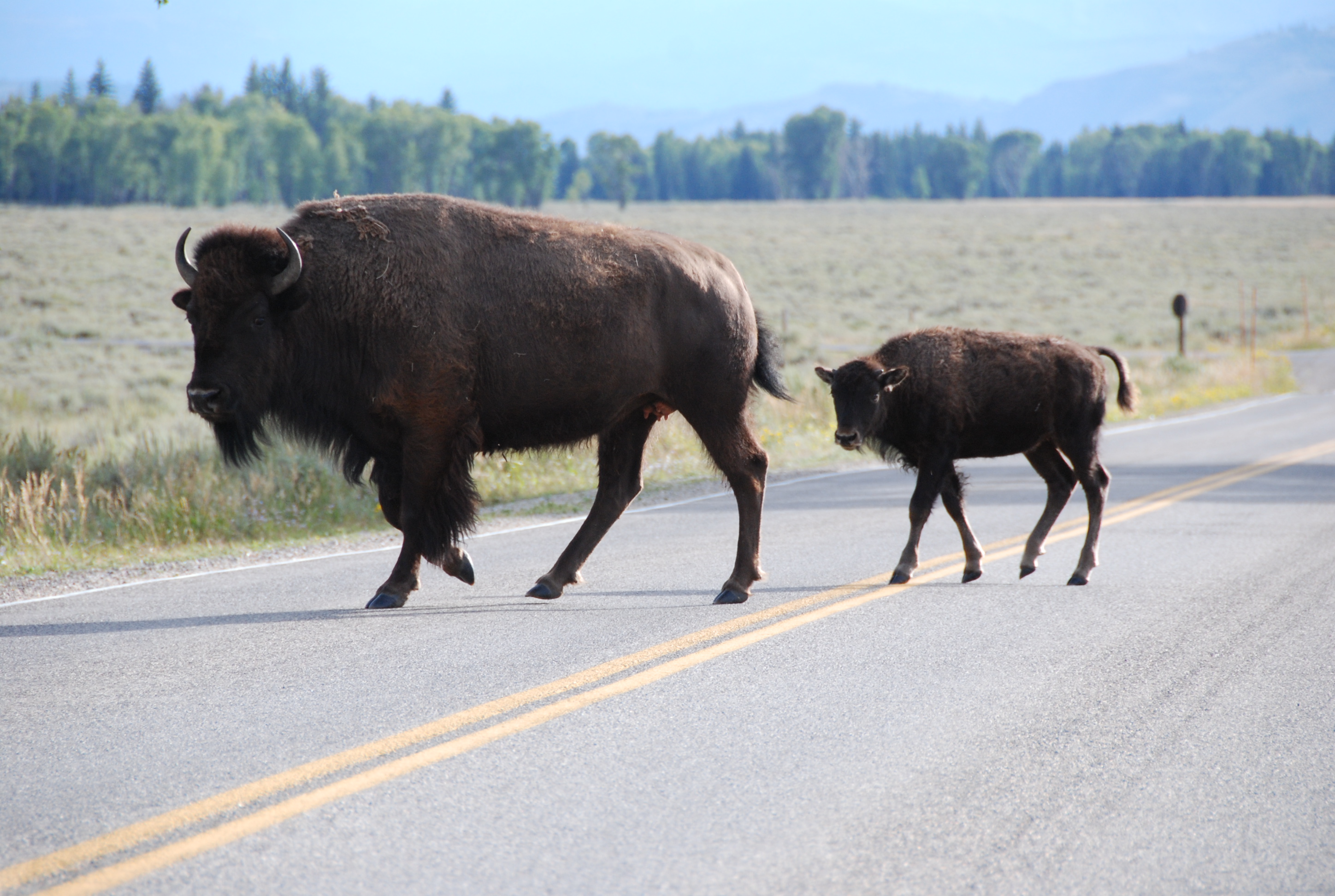
Strong back, soft front. Steel spine. Claws and horns only when needed.

Strong and effective, non-adversarial, yet energized advocate. I’m thinking parent, friend, sibling, physician, adult child of aging parent, activist.

BEAST. I can be yours if needed, count on it.

Water, Gasoline, or Firewood?

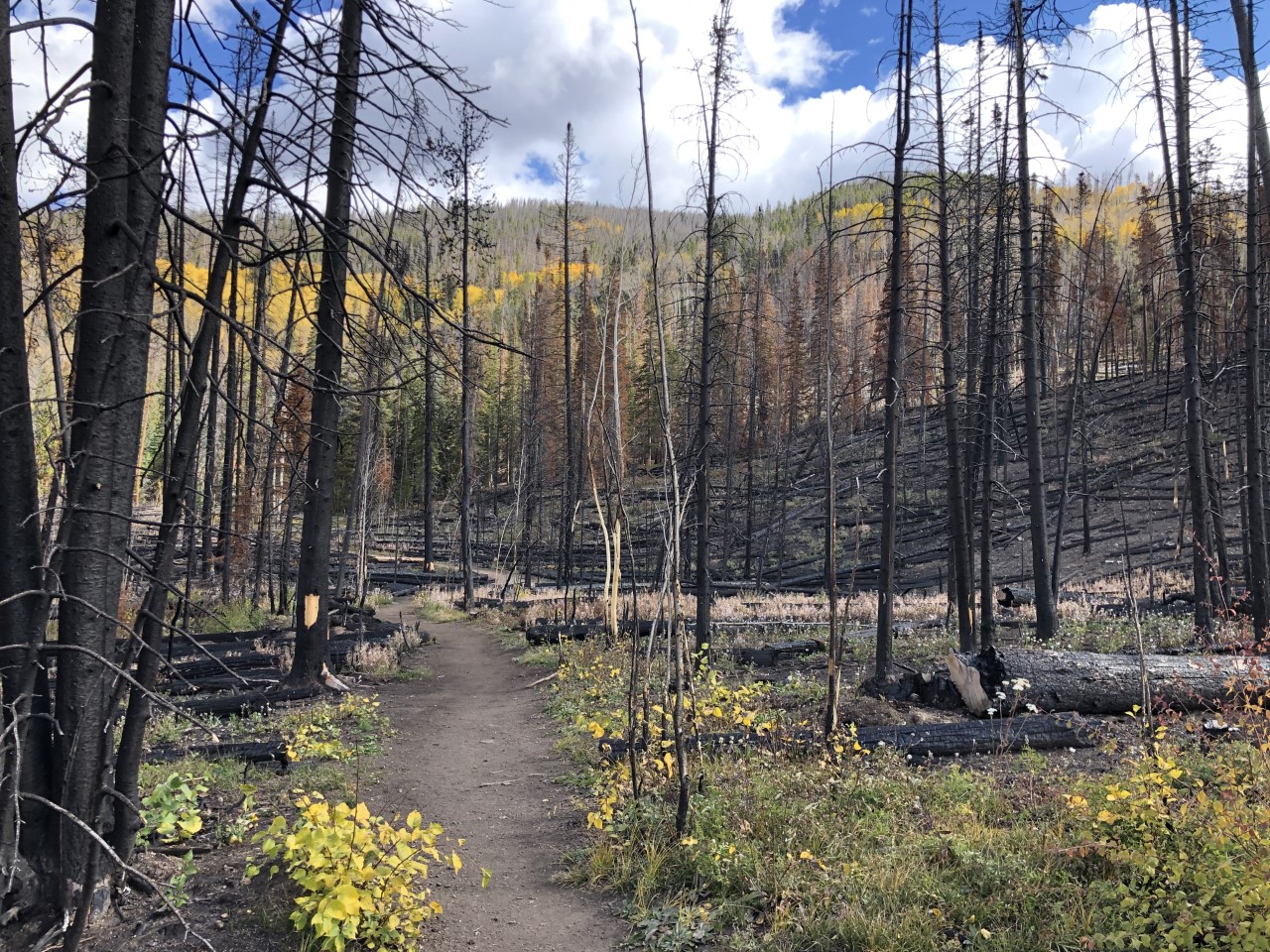
Ptarmigan Trail, Silverthorne, Colorado, October 2022, one year after fire triggered by hikers

If you don’t already follow Shane Parrish at Farnam Street, or listen to The Knowledge Project podcast, I highly recommend it. In this week’s newsletter, Parrish describes how he engages his kids when they exhibit ‘ineffective’ behavior (such as picking fights with each other). He coaches them to pause and think about their actions: Is what they’re doing going to make their lives easier or harder? Will it get them what they want? He asks them what things would look like if they poured gasoline, versus water, on their current ‘fire.’ “With water or gasoline, you can start a fire, make it bigger, or put it out. The choice is yours.”

What fires burn in our lives? Which ones warm us, give us light, and bring us together, and which scorch and destroy?

Obviously we don’t pour gasoline on a wildfire, unless we are arsonists or sociopaths. And we all rue the careless camper or hiker who accidentally sets our beloved forrests aflame with an errant cigarette butt or the like. What anaologies to our lives can we make of these events? Maybe the overwhelming emotional hijack of a post-traumatic trigger, a cutting word spoken or argument erupting in the heat of anger and resentment? In these moments, how can we slow down, recognize the gas can in our hands, loosen our grip, put it down and screw the cap on tight? Where did we put that water bottle? Better yet, can we just leave the cigarettes at home next time? ** deep breaths **

That scenario is less interesting to me, though, than the campfire or bonfire. I feel like I’ve written this analogy before on the blog, but I can’t find it. I don’t camp, but I love communing around an intentional, contained flame with good company and comfort food. This is the kind of fire that gathers us, warms us, strengthens our bonds. Right now it’s phone and FaceTime calls, hikes, and generally carving out time to spend together–these are the fires that feed me. The flame of a good, strong hearth requires tending, though. Someone needs to find and bring the wood; it has to be dry enough but not too much so, and made into the right size. Orientation of logs and branches matters for optimal airflow, so smoke billows skyward rather than swirling and suffocating the gathering. We must stoke and stimulate the flames to keep them going, and fuel them regularly to maintain light and warmth for us all to enjoy. It’s best if we take turns. Like maintaining strong fires, good relationships require us to participate actively, thoughtfully, and regularly.

As our collective care and attention perpetuate warmth and light, the best thing is when we attract others to join. When they hear the crackling flames and campfire songs, the laughter and joy emanating from intentional communion, they want to connect, and we widen our circle of friends. Cold and dark no longer feel so daunting; we feel safe and secure; we belong.

As we enter the coldest and darkest part of the year, I’m gathering my firewood and piling it high. Come to think of it, I must also tend to the forrest where the trees grow… An analogy for another time, perhaps.

Fireweed flourishing in its ideal habitat; nature healing itself