In response to Friend’s post describing a driver’s prolonged tyranical rant at him after honking at her for cutting him off at an intersection, marveling at the disproportionality and vehemence of it, incredulous at its intensity and utterly violent resonance:
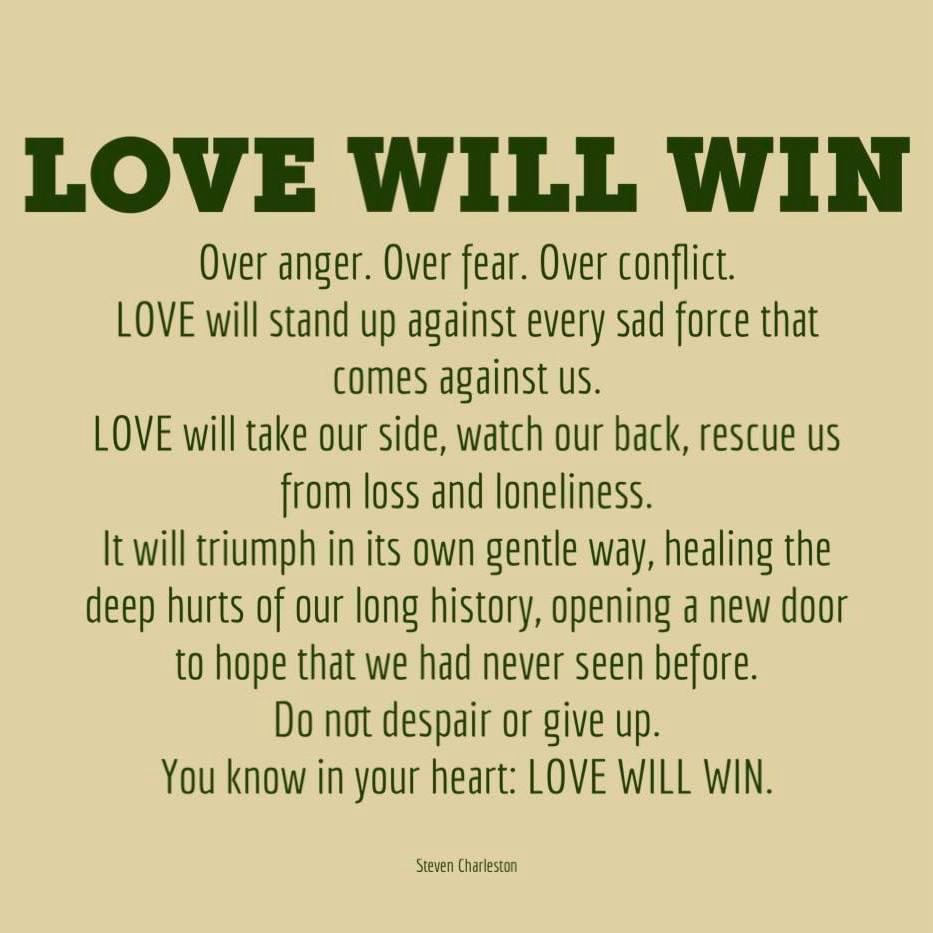
“It’s been getting worse for years now, and escalating exponentially in the past year, in my observation. It’s the toxic milieu of the world, I’m afraid. Everybody is on their last nerve and lashing out impulsively whenever and wherever it has the least/fewest perceived consequences—at strangers. 😞 So the best thing each/all of us can do is self-regulate—meet aggression with peace and kindness, defuse rather than escalate. Easier said than done. Sometimes we will inevitably be the aggressor; in those situations we can hope that our target can respond with equanimity rather than hostility. This is how things will get better. One de-escalated encounter at a time.” 🙏🏼🫤❤️🩹
How do you feel tonight, friends? What are your body sensations? How is your energy, your mood, your sense of well-being? What does turning a new Gregorian calendar year mean to you? Usually it’s meh for me. But this year feels very different. Looking back on this blog for the past two years, I read it, remember it, relive it: Transformation.
When Son’s college search and launch voyage began in the summer of 2021, my own self-reflection journey intensified. Spontaneously asking his classmates’ parents and then myself, “What do we most want our kids to learn in college? What are the most important life skills?” instigated the yet ongoing exploration of what I now think of as the three reciprocal tenets of well-being: Self-awareness, self-regulation, and effective communication. NaBloPoMo 2021 saw me reviewing practices in those arenas that I strive to model for Son and Daughter. 2022 posts reflect further processing, culminating in a NaBloPoMo with the highest density of personally meaningful posts of any November yet. This year certain concepts saturated, condensed, and distilled in my psyche, and I shared those posts most frequently with patients and friends: Owning my sh*t, standing in my strengths, leading vs lagging indicators of health, and immersing in community.
Repeatedly here on the blog and every day in real life this year, I struggle to find good enough words to express my gratitude, amazement, and utter dumbstruck astonishment at my good fortune to have found Ethos and Shaneiaks, two tribes without whom I honestly think I would not have the audacity to undertake my Big Fat Hairy Goal of writing and publishing the book for which I started this blog in the first place, 8.6 years ago. It’s about time, don’t you think? And yet, it has taken this long. 2023 gave me the synergistic swell of connection, courage, and exposure to makers that has finally ignited my book writing booster engines!
I wrote last week about my back pain and how I attribute it to certain mental stressors. It all continues to evolve. My addendum tonight: It’s the tension between a relentless desire to write this book and share everything I have in my mind and heart, and the profound fear of doing so. That internal tug of war makes me positively squirrelly right now–I’m doing anything but sitting down to write book words and my back is still tight. HOW FASCINATING, where my body puts that ambivalence! Write (HA! unconscious word substitution! I think I will leave it. 😉 ) at my center of gravity, perhaps, where my body folds, hinges, carries. What’s the most useful story I can tell about this, I wonder?
Normally I prefer to sleep through and ignore New Years, but this year I think I may try to leverage it. The idea of resolutions grates me, and I can still meditate and act on meaning, purpose, journey, and goals for 2024. That means stop farting around and procrastinating. As my wise friend lovingly and gently nudged me recently, between thinking/knowing and waiting for that to translate to feeling/inspiration, there is doing. Butt in chair, 500 words at a time. Or 50. Whatever, anything counts. I cannot edit what I have not written. There is a balance between harsh, rigid, self-imposed pressure and lackadaisical excuse making. Perhaps I have leaned too much toward the latter until now? Or maybe it’s all just part of the process? Whatever! How fascinating!
Table of Contents by end of January. Two or three sample chapters by end of February. Proposal and pitch by end of March. Queries by end of April. Quiet, centered, grounded, loving, fun writing. The more I can feel deeply and effusively my own message as the words emerge, the more likely readers will feel it, too. And that is the goal–for readers to feel seen, understood, loved, inspired, and empowered. That I stand alongside them aspiring, practicing owning our sh*t, standing in our strengths, and thickening our ties to the tribes and causes that matter most to us, to be and make our best contributions. When I get quiet, calm, and loving, it all flows so easily. So this may be the year to adopt a formal sitting meditation practice, too–a sister discipline of calm and quiet, in service of the BFHG. Let’s see what happens, ya? :D
Thank you all for the time you take to read this blog. I appreciate the engagement, exchange, and encouragement. I found myself writing to so many people today, expressing gratitude more than anything else. May we harness all of our best learnings and wisdom to date and apply them with humility, generosity, and love in 2024 and beyond, all for connection and healing. Big love and light to all, and may this new year bring all good things!
___
Books and Media 2023
The romance immersion continues, full swing, with no signs of stopping. I am registered to attend and volunteer at Readers Take Denver this April, my first ever romance book convention. I will meet many of my new Shaneiak friends there (met two in person already, with another date scheduled in a couple weeks!), and I cannot wait. Shane will be there, too; Shaneiak Friend Heather has already agreed to stand next to me, stroking my arm, calming me down so I may resist the urge to tackle hug him to the point of cracked ribs. Good luck to her!
I began 193 titles this year, some in repeat. Bolded titles below are my favorites; bracketted are unfinished. Closed brackets indicate low likelihood of completion; open brackets are books currently in progress. I still like listening much more than reading, especially while making cards, cooking, cleaning, driving. In 2024 I can trade some social media for eyeball reading, perhaps. So many possibilities! Onward in verbal joy and learning!
Books
Anti-Diet, Christy Harrison
Write For Your Life, Anna Quindlen
Stories of Your Life and Others, Ted Chiang
Prince Charming, CD Reiss
Them, Ben Sasse
Priceless; My Lord: The Rothvale Legacy: Parts 1 & 2, Raine Miller
One Hot Deal, Anna Durand
Twisted Beautiful Lies: Twisted Lies Duet Book 1, Kelleigh Clare
Her Lovely Lies: Twisted Lies Duet Book 2, Kelleigh Clare
Two Pretty Lies, Kelleigh Clare
[Taste: My Life in Food, Stanley Tucci]
The American Wives Club, Anna Durand
Naked, Raine Miller
All In, Raine Miller
Eyes Wide Open, Raine Miller
Rare and Precious Things, Raine Miller
[The Human Element, L Nordgren & D Schonthal]
Even If It Hurts, Marni Mann
Why We Sleep, Matthew Walker
The Masked Fae, Shari L Tapscott
Royally Endowed, Emma Chase
The Seven Husbands of Evelyn Hugo: A Novel, Taylor Jenkins Reid
Insatiable In a Kilt, Anna Durand
The British Knight, Louise Bay
Then I Met You, Matt Dunn
Do the Work, Steven Pressfield
The Never King, Nikki St. Crowe
The Dark One, Nikki St. Crowe
Their Vicious Darling, Nikki St. Crowe
Flirting With Forever, Kendall Ryan
Quickies, A Filthy Anthology, AL Jackson and others
Before You, Marni Mann
One Hot Favor, Anna Durand
King of Wall Street, Louise Bay
Park Avenue Prince, Louise Bay
The Thief, Megan Whelan Turner
Duke of Manhattan, Louise Bay
Earl of London, Louise Bay
The All or Nothing Marriage, Eli Finkel
Cassandra Speaks, Elizabeth Lesser
International Player, Louise Bay
Private Player, Louise Bay
[Gray Hair Don’t Care, Karen Booth]
Awaken Your Genius, Ozan Varol
Wait With Me, Amy Daws
Dear Edward, Ann Napolitano
Highlander’s Captive, Mariah Stone
Hollywood Scandal, Louise Bay
[Highlander’s Secret, Mariah Stone]
Reasons to Stay Alive, Matt Haig
The Fae Princes, Vicious Lost Boys Book 4, Nikki St. Crowe
Enjoy Every Sandwich, Lee Lipsenthal, MD
Natural Obsession, Anna Durand
The Wrong Gentleman, Louise Bay
Happily Letter After, Vi Keeland
One Night Only, Lauren Blakely
One Exquisite Touch, Lauren Blakely
My One Week Husband, Lauren Blakely
The Depths, Jonathan Rottenberg
After Care: A Romance for the Over 40, LB Dunbar
Cowboy, LB Dunbar
The Queen of Attolia, Megan Whalen Turner
Getting Real, Emma Chase
Our Missing Hearts, Celeste Ng
Dark Deception: A Vampire Romance, Sarah Piper
Dark Seduction: A Vampire Romance, Sarah Piper
Dark Obsession: A Vampire Romance, Sarah Piper
The Heir, Nana Malone
The King, Nana Malone
For You, Jodi Ellen Malpas
xo, Zach, Kendall Ryan
The Measure, Nikki Erlick
The Saint, Nana Malone
The Little Paris Bookshop, Nina George
You’re Not Listening, Kate Murphy
The Book of Dreams, Nina George
The King of Attolia, Megan Whalen Turner
Twisted Love, Ana Huang
Deceit, Ava Harrison
His Pretty Little Burden, Nicci Harris
A Conspiracy of Kings, Megan Whalen Turner
Liminal Thinking, Dave Gray
Pearls From the Practice of Life, John Chuck, MD
Tallulah’s Temptation, Robyn Peterman
Dr. Off Limits, Louise Bay
Dr. Perfect, Louise Bay
Creating Freedom, Raoul Martinez
Big Magic, Elizabeth Gilbert
The Brit, Jodi Ellen Malpas
Self-Compassion, Kristin Neff
Entice, Ava Harrison
Ms. Lead, Amy Booker
Winterset Hollow, Jonathan Edward Durham
The Second Chance Plan, Lauren Blakely
Royally Deceived, JD Carothers (ALC)
[The Power of Agency, Paul Napper and Anthony Rao]
A Dragon’s Tale, Donna Grant
The Rook, Nana Malone
Heart of Thorns: A Dark Vampire Romance, Sarah Piper
Conceal, Ava Harrison
The Likely Resolutions of Oliver Clock, Jane Riley
The Earl on the Train, Kerrigan Byrne
[The Enigma, Jodi Ellen Malpas]
Bad Blood, Bella Jacobs
Boyslut, Zachary Zane
Dumped, Actually, Nick Spalding
Heart of Fury: A Dark Vampire Romance, Sarah Piper
From Here to Eternity, Caitlin Doughty
Heart of Flames: A Dark Vampire Romance, Sarah Piper
Write a Must-Read, Anjanette Harper
Making Merry, Kerrigan Byrne
Smart Brevity, Jim VandeHei, Mike Allen, Roy Schwartz
These Walls Can Talk, Erin Mallon
These Walls Can Talk 2, Erin Mallon
The Dating Playbook (formerly Big Deck Energy), Kim Loraine
The Bossy Prince, Lili Valente
Hot Asset, Lauren Layne
Into the Gray Zone, Adrian Owen
Hard Sell, Lauren Layne
Beautiful Enemy, Piper Lawson
Beautiful Sins, Piper Lawson
Huge Deal, Lauren Layne
Skin Hungry, Erin Mallon
The Grumpy Prince, Lili Valente
Improvise!, Max Dickins
Beautiful Ruin, Piper Lawson
The Architect, Nikki Sloane
Give Me More, Sara Cate
Three Little Mistakes, Nikki Sloane
The Royal Virgins: The Complete Collection, Kim Loraine
Thick As Thieves, Megan Whalen Turner
Getting Schooled, Emma Chase
Wicked Omens,Patricia D. Eddy and Midnight Coven
Indefinite, Corrine Michaels
Boss Without Benefits, Lili Valente
Dirty Letters, Vi Keeland & Penelope Ward
My Sinful Longing, Lauren Blakely
Instant Gratification, Lauren Blakely
Overnight Service, Lauren Blakely
Blood Secrets, Lili Valente
Dirty Little Secret, Kendall Ryan
The Messy Lives of Book People, Phaedra Patrick
[The Spy, Nana Malone
Close, Laurelin Paige
Dirty Little Promise, Kendall Ryan
Rory in a Kilt, Anna Durand
Torrid Little Affair, Kendall Ryan
Tempting Little Tease, Kendall Ryan
The Never King, Nikki St. Crowe
The Dark One, Nikki St. Crowe
The Detour, K Bromberg
The Road Back to You, Leah St. Andrews (ARC)
Signed, Marni Mann
Their Vicious Darling, Nikki St. Crowe
The Fae Princes, Nikki St. Crowe
Master of Change, Brad Stulberg
The Big Bad Office Wolf, May Sage
Filthy: Erotic Love Letters, Carrie Ann Ryan and others
Sinner, Sierra Simone
Rock Hard, LJ Shen
Seducing the Innocent, Shayla Black
Getting Played, Emma Chase
Saint, Sierra Simone
[Outlive, Peter Attia
Sanguine, Sierra Simone
Seducing the Bride, Shayla Black
The Long Game, Elena Armas
Priest, Sierra Simone
Misadventures With a Professor, Sierra Simone
Governor, Lesli Richardson
Gloria, Sierra Simone
Lieutenant, Lesli Richardson
Mr. Mayfair, Louise Bay
The Knife Man, Wendy Moore
Wicked Conjuring, Sarah Piper
Dr. Fake Fiancé, Louise Bay (ARC)
For Love of Magic, Simon R. Green
The Grand Design, Stephen Hawking/Leonard Mlodinow
Ordinary Grace, William Kent Krueger
Royally Yours, Emma Chase
Royally Endowed, Emma Chase
[The Fourth Turning, William Strauss/Neil Howe
Royally Raised, Emma Chase
The Playboy Prince, Lili Valente
Hers to Keep, Serena Akeroyd
A Billion Wicked Thoughts, Sai Goddam and Ogi Ogas
Mine was neck pain for the longest time. I could usually relieve it with a brief massage until starting a very stressful job, where I quickly developed daily pain, stinging and tight. Then nothing helped, neither massage nor ibuprofen, only vacation, for 5 years until I left. During pandemic lockdown, low back pain emerged as a new physical manifestation of mental stress.
For the past month I have had varying degrees of lumbar pain, but it did not occur to me that it was stress related. I must be doing my dead lifts wrong, I thought. I must need to stretch. But nothing seemed to help after a while, and it got worse after Thanksgiving. That weekend, I found out in no uncertain terms how I had hurt someone very close to me. I always had an inkling, but the full impact of my actions became clear in one starkly honest conversation. In the emotional overwhelm, I could only process a little at a time, mentally (hence the I Wish I Was Better For You post–I was actually thinking of a different relationship, but the idea for that post brought up multiple relational regrets all at once). The rest landed squarely and heavily on my back. It was sore during the days, and woke me up from sleep at night with severe pain and stiffness. I was not limited during my Ethos workouts, though–in fact, I felt better during exercise. After a relatively easy session last Sunday morning, I sat the rest of the day writing, and that night felt like I was both 100 years old and got hit by a truck. It was slowly dawning on me, the origin of my physical pain: The full depth and persistence of my relational fuck-ups was unfolding into conscious awareness, and it was painful, quite literally. Looking back, I was also much more tearful than usual in the past month–like leaks of extreme emotion springing forth, portending.
As is often the case, conscious awareness brought alleviation of pain. No NSAIDs, no physical therapy, no yoga, just an emerging understanding and acceptance. And insights: I realized this week that when I get sad, I get sedentary. I lean heavily toward stillness, with a strong urge to write for release, instead of moving, which is how I relieve anxiety and anger. This past month my workouts diminshed and verbal output escalated significantly. Writing helped untangle and clarify thoughts (I knew I was projecting self-loathing, I just didn’t know why), but I think the lack of movment may have perpetuated repression of feelings, thus diverting them into spiraling physical pain. Now I know, Opposite Action helps: Under stress, doing the opposite of my wallowing tendency can keep me healthy. Hopefully the next time I experience profound sadness (or guilt, or shame), I will resist the pull of the comforting though potentially counterproductive chairs and instead get on the elliptical.
My friends also helped this week. When I told them my sorrowful discovery, they held space for it so lovingly, so patiently. No platitudes, no false positivity–only empathy, validation, and compassion. They shared their own hardships, and I helped them hold it, too. How lucky am I, to know these wonderful people, to have them in my corner? The mutual uplift is absolutely synergistic and exponential, as is my gratitude.
I wrote about forgiveness last month, and how withholding it harms the (un)forgiver. Today I understand acutely how it also hurts and plagues the unforgiven. My loved one forgives me, thank God; I think I can forgive myself more easily now that I know that. We shall see.
“Big feelings” don’t just happen to kids. We grown-ups experience big, hard, complicated emotions as much as anyone. ”So much, so much,” as my friend’s daughter used to lament. ’Immense,’ as it occurred to me this week. Elation, gratitude, grief, guilt, regret, joy, humility, connection–it can all really be so much–sometimes too much for a mind to hold. So it puts it in the body for a while.
After several days of chasing–analyzing, journaling, thought experimenting, self-flagellating–I finally ran out of evaluative fuel and just let the feelings be. Rather than mixing, kneading, stretching, and folding, impatiently trying to shape the nebulous into a smooth ball of cognitive comprehension, I put it to sit and ferment a while. It didn’t take long for a form to rise, to show me what it was made of. I see now what’s been happening. Hopefully I can take the learning and apply it next time. [HA! Who knew a post on dark emotions could include a fun sourdough analogy?]
My back feels fine today, better than it has in weeks. Fascinating.


 Healing Through Connection