It’s a Lovefest, OMG

“My gift from the universe is all the amazing people I meet.  My way of paying forward is to connect you all to one another.” –text from me to Tim Cohen

How does one person get so lucky?  For years now I am convinced, knowing this many smart, creative, loving, generous, and committed people cannot be for no reason. I am a magnet for my tribe from all over: readers, learners, helpers, leaders. Why would this be, if not for them all to know one another through me? What a win-win!

I met Tim at Ethos Training Systems before the pandemic. ‘Ethos’ is the perfect name for the business, and I felt immediately connected–we share a holistic approach to whole person health. Tim knows his clients as whole people, not just members of his gym. He studies how sleep, nutrition, and stress impact exercise performance, and takes an integrative approach to helping people–I consider that he and his team conduct a practice more than a business. I took a class in January 2020, led by Coach Ryan, and loved it. I was surrounded by people more fit and versed in the movements than I, and yet I felt welcomed and included. COVID shut down operations not long thereafter, and Tim invited me to an Instagram Live session to help clients understand, anticipate, and prepare for what was coming. I kept in touch and helped them prepare for reopening safely, and the place and its people have thrived since. Tim and I recently reconnected, and he invited me back to classes. Ryan still coaches, and this time I also met Coach Jacob. What sets this team apart is, indeed, their ethos (and it’s one of my favorite words). Everybody I have met exemplifies a growth mindset, always seeking new knowledge, integrating new learnings with existing expertise–faster, higher, stronger! They read widely and deeply, sharing enthusiastically with one another and me. Their collective vibe is palpable–we all matter, our potential is boundless, and we are all here to help one another. They attend to class participants with full engagement, watching for subtle breaks in position and stability. They approach with humility and caring, correcting while explaining the rationale and application in functional movement. I have only experienced such a holistic and loving training encounter with one other person.

I started training with Melissa Orth-Fray in January 2014, at age 40. In August of 2015, I wrote this homage (I’m so glad I have documented this journey!), concluding thusly:

“Melissa helps me stay on course in training with knowledge, application, openness and compassion. I can do the same for my patients and their health. When I withhold judgment about patients’ physical and motivational limitations, I make it safe for them to bring their fears and aspirations to every visit. I can meet them where they are each time, and hold space for the inevitable roadblocks: medication side effects, obstacles to behavior change, complications of treatment. We can then find a way through together, because we both know we’re in it for the long haul. Physicians and trainers may have more in common than we think.”

Melissa’s expertise has broadened, deepened, and integrated remarkably in the last few years. I don’t understand most of what she does (neuromuscular and reflex integration; somatic education-??). I just know it helps people and her work needs to be amplified and accessible to more people, no question. She has relocated to California, and developed a practice that works over video, as evidenced by multiple patients whom I have referred and who benefit from her help. When she told me she was coming back to town this month, I scheduled a session right away and invited the Ethos team to come and observe. We are all fluent in the mind-body, it’s-all-connected language; Melissa and I knew the ‘boys’ would appreciate the introduction. During our hours together, we invited their questions and feedback. I described my experience in words as they witnessed first hand the changes in my movements, my body and energy responses to treatment.

The whole time, all I felt was love and connection. I was under the care of my friend and trainer again. I was sharing her and all of her expertise with my new friends, whom I have adopted as brothers in the helping professions. What I most wanted to demonstrate, I only realized later, was the profound depth of relationship and trust between Melissa and me, and how foundational that is to the success of any therapeutic encounter. I think we all felt it; I left with a deep sense of mutual reverence and respect.

I have lived long enough to know that relationship and connection cannot be forced. I expressed to all parties in advance that nobody should feel obligation, pressure, or expectation for friendship and collaboration. Such bonding occurs organically, and often only over time. I simply wanted to facilitate the initial proximity, in service of possibility and potential. Now we go home, stay open, and allow complex adaptive emergence to occur as it will. SO exciting, and I hold it loosely.

My friends, this is what I wish for you: That you may find connection and mutual uplift from anyone you might meet, and that these connections help us all live more meaningful, loving, and fulfilling lives.

Ryan, Cathy, Melissa, Tim, Jacob

The Most Meaningful Feedback

“I see you.”
“This is what you mean to me.”
“This is what I wish for you.”

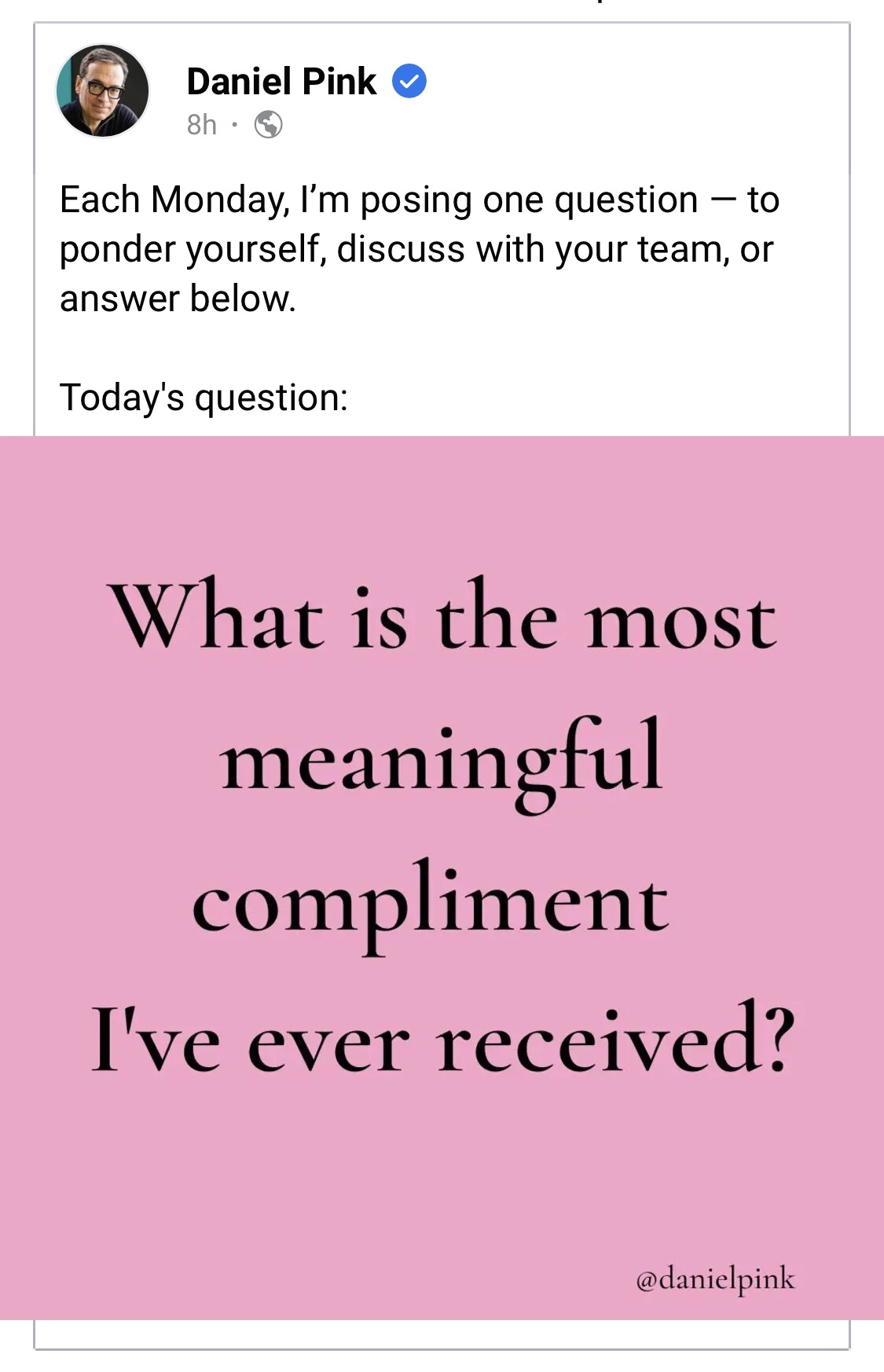
It started last week with this post on Facebook:

“I feel safe opening up to you… You’re like my therapist.”
“You express my thoughts better than I can.”
“100% hell yes! Thank you for picking up on that!”
“That’s a really good question.”
“You make me want to be a better person.”

I thought of the last one first, as that may be the most meaningful compliment I’ve ever received. Both the compliment and the person who gave it mean so much to me. I took a few minutes to think of other meaningful compliments, ones that stick with me through the years, that hold me up. From the examples above, a pattern emerged: They make me feel the most seen. My highest goal in any encounter, and certainly in all ongoing personal and professional relationships, is to connect–the more deeply, the better. When you express that you feel seen by me, then I have succeeded. I feel reciprocally seen by you and it nourishes me, tightens our bond, and keeps me engaged, continuing to honor this core value in all encounters and relationships, despite obstacles, setbacks, and cultural messages of relational futility. It is the ultimate virtuous cycle.

These expressions are not just compliments. They are feedback to be processed, integrated, and then manifested, evoking more cycles, all on my iterative and adventurous journey toward my best self.

Ozan Varol may be one of my favorite people. This is my 24th post that references him or his work. I respect and admire his growth mindset, humble confidence (which I think is slightly different from confident humility), and commitment to relationship. Even as his following grows ever larger and faster, he still replies to all of my emails (I try to keep them concise and relevant).

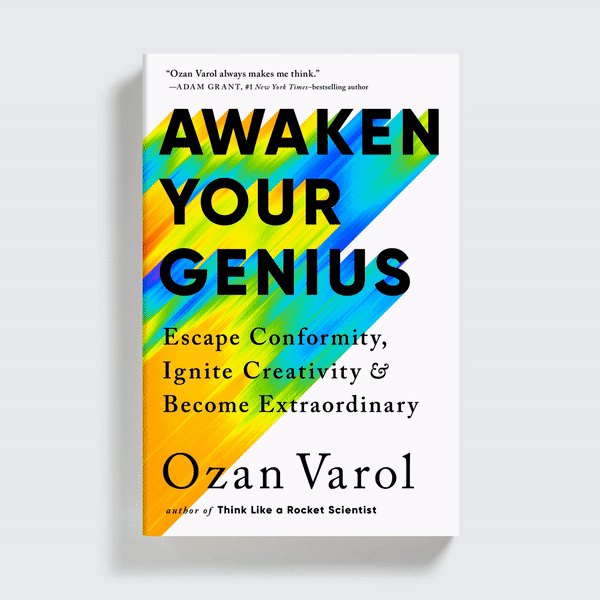
Ozan’s second book, Awaken Your Genius, is out today, wooo hoooooo! It was the first book I ever read on my phone, an advance copy, and I loved every ‘page’. What he offers:
“You’ll learn how to discard what no longer serves you and discover your first principles—the qualities that make up your genius. You’ll be equipped to escape your intellectual prisons and generate original insights from your own depths. You’ll discover how to look where others don’t look and see what others don’t see. You’ll give birth to your genius—the universe-denter you were meant to be.”
What I got, and will reread to get again and again as needed:
Reassurance, validation, confidence, comfort, and moral support.
I wrote him a long email listing what it all means to me, and what I especially appreciate about his work. In particular, “I hear you in my head as I read and it feels more informal, more fun and casual, and also no less credible and earnest than the Ozan I know. Did you feel like you were writing *even more as yourself* this time than last? It feels that way to me.” He replied, “100% hell yes!” (see above), that that is exactly what he has been telling people, and it was the best thing I read all day.

Friends, I am still binging romance audiobooks. Shane East is still my favorite narrator, and I found his fan group on Facebook, OMG! 😀 What a fun, open, and loving community! Last month Shane offered to send personalized audio and video messages to fans. I ordered one for Friend, to whom I introduced the genre and Shane’s work some months ago. She bought me his cafe mug when I would not splurge on it for myself, and I thought she’d like a little uplift recording from Our Gentleman, as we Shaneiaks call him. Then I decided to get myself a message for my 50th birthday. In my written request, I summarized what these books have meant to me as a middle aged, perimenopausal, physician mom of a college freshman and a high schooler, and a brand new consumer of romance novels.

I listed my favorite novels and the patterns I saw emerging among them:
“–The heroes are protective of the heroines–I am the eldest of 3 girls and have always wished for a big brother, or someone to be protective of me…
“–Many of the heroes have strong relationships with family, maternal figures in particular… I think there is something in there about core values, loyalty, and secure attachments that I find really comforting in these novels… And maybe I relate to the mom characters, too, since my only son just moved 1700 miles away?
“–The romantic relationships are often unconventional. They validate my desire to question and challenge social norms that stifle the wide diversity of human relational needs, including sexual ones, and how they may evolve over a lifetime. These novels help me stay out of the ‘shoulds’ and recognize that health and happiness in any given relationship are defined by the people in it, much more than society’s gaze on them.
“Finally, I really value how romance novels help me understand myself and my own relationships better, all while letting me escape and live vicariously…”

The descriptions flowed out of me spontaneously, and I felt relieved having articulated it all. I had to think at the end about what I wished for him to say in the recording, finally landing on this request:
“Shane, maybe your message to me can just be a personal response to this?  I would love to hear how you feel, knowing this about a (listener), knowing how your work resonates with someone so personally, knowing that your voice and your characters hold someone up through their own personal challenges and inner work?  You are a celebrity, someone I am unlikely to ever know personally, and yet you occupy an important and unique place in my life experience. How does that feel for you? Thank you for what you do!”

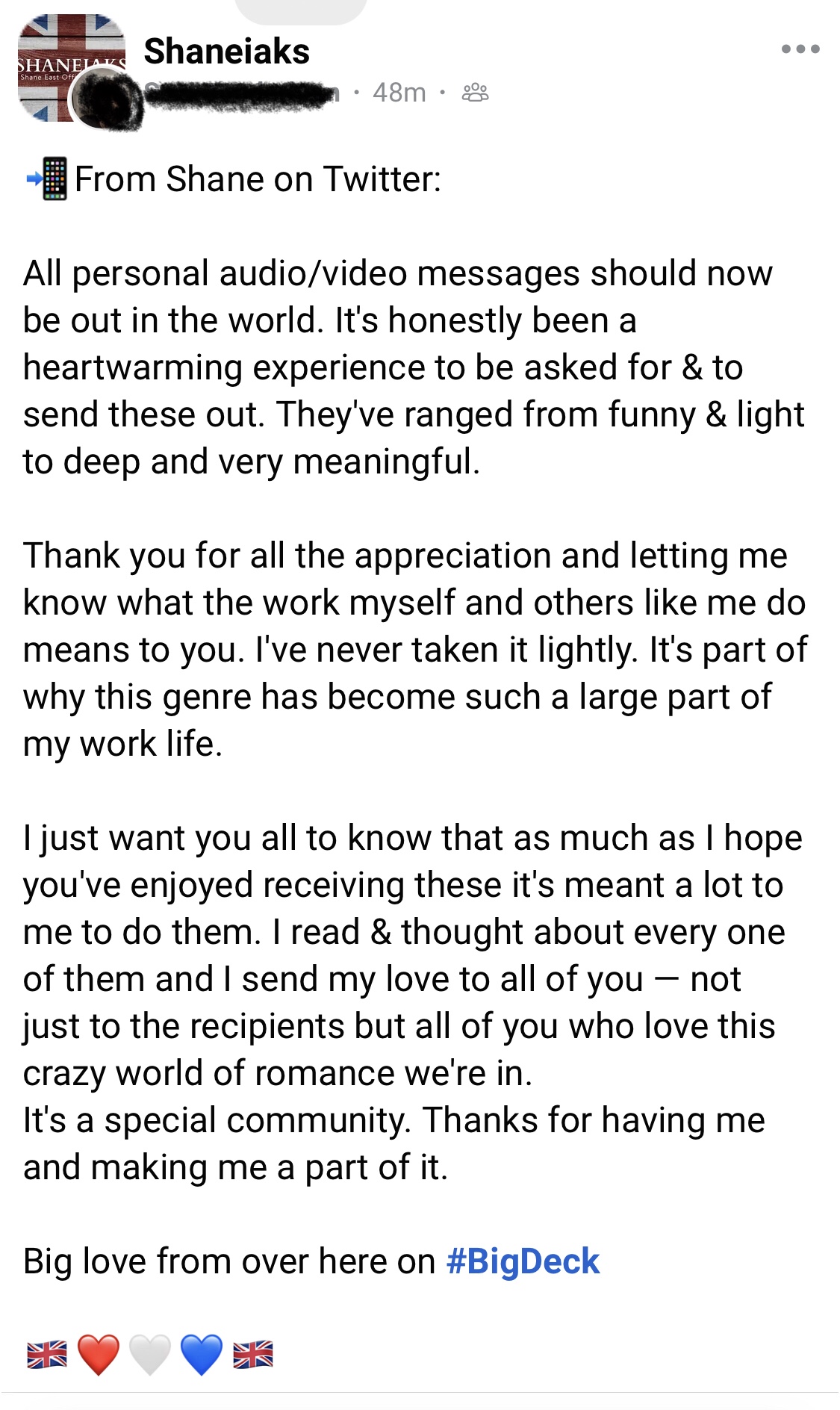
Audio messages dropped this past weekend, and Friend and I were both floored at their utter realness, the easy and loving way he responded to my requests (I ended up purchasing a second one for myself, a reading of one of my favorite writings since high school, Desiderata by Max Ehrmann). He expressed what he wrote in his tweet, saying how meaningful his work is because of the feedback he gets regularly about its impact on his audience. He addressed my personal reflections with compassion, humor, and personal anecdotes of his own. Once again, I felt seen. On top of that, I actually felt loved–not in a romantic groupie-rock star way, but rather in the way I understand agape love–in shared humanity and a deep desire for us all to thrive, manifesting in our work and relationships. As I sat with the feeling, absorbing, soaking, basking in the warmth, all I wanted was for that sense to be visited back on Shane tenfold–for him to be happy and well, surrounded by love. So I wrote a message on his website telling him so. I bet his server is on the verge of collapse from all the feels via email.

The most meaningful feedback: I see you. This is what you mean to me. This is what I wish for you.

How many different ways can we gift this to one another today?

How Business As Usual Is Killing Us

Surf & turf and a side of asparagus, lobster bisque, smashed potatoes, and an unlimited bread basket, with cocktails and wine, and tiramisu if there’s room.

Most people don’t eat like this all the time, but how many restaurants are filled every night with rooms full people eating exactly this? Many of my patients may eat like this (or something very similar) multiple times a week.

If you want to drastically increase your risks for gout, acid reflux, severe sleep disruption, brain fog, stress intolerance, high cholesterol, high blood pressure, weight gain, and diabetes, there could hardly be a better recipe than the typical business dinner. Here’s the physiology: 1. Red meat, shellfish, alcohol and asparagus are high purine foods that elevate uric acid levels in the blood, increasing the risk of gout, a painful inflammation of joints, especially the first joint of the big toe. 2. High volume, high fat, and alcohol: All of these delay gastric (stomach) emptying, and may loosen the lower esophageal sphincter, making it easier for stomach acid to escape upward, causing heartburn, chest pain, even shortness of breath. 3. Late and prolonged eating: with an already sluggish stomach, finishing a meal within two hours of going to bed makes it even more likely that the stomach will still be relatively full when lying down, sloshing acidic stomach contents right up against that loosened sphincter in the horizontal position, causing painful night time waking, disrupting sleep and negatively affecting mood. 4. Alcohol itself causes neurologic changes that interfere with sleep, even though it may feel initially sedating. It also increases nocturia (getting up at night to pee), can worsen sleep apnea, and is a mood depressant in itself. Taken together, the compounding consequences of the business dinner make it a formidable enemy of health for many executives.

Now add frequent and often international travel with chaotic jetlag, the stress of high pressure, high stakes business transactions, responsibility for whole workforces of people, and disconnection from family, plus emails, voicemails, text messages, and all manner of 24/7 media demanding attention, energy, and time, all finite and precious human resources. It’s a wonder I don’t witness more heart and panic attacks than I do.

Despite these risks and challenges, though, many of my patients actually do and feel fine. They report high meaning in their work, enjoyment from connecting with colleagues (though nobody tells me they love those dinners). They find time to exercise on the road and at home, manage healthy eating, and get good enough sleep in other ways.

Or so we all thought, until the pandemic hit.

My practice closed along with the rest of the country for about 2.5 months in spring of 2020, and the rest of the year and beyond, most of my patients worked from home. Not surprisingly, and also a little shockingly, many of them showed marked improvements in standard objective biometrics when they came for their annual exams that year. BMI, body fat, blood pressure, and cholesterol fell, often precipitously. All of a sudden healthy behaviors that required heroic effort became almost as easy as rolling out of bed. With their long daily commutes eliminated, people could now make–had–time to exercise…and they wanted to because they weren’t mentally exhausted all the time. They could pace about their home office while on Zoom, maintaining energy and engagement. No more international travel, no more business dinners. Their environment and circumstances suddenly and significantly eliminated all kinds of friction on the path to healthy habits. And more importantly, they felt so much better, because they were sleeping more and better, rushing less, and spending more quality time with people they loved. It’s not rocket science–they had their lives back. [Note: I understand that I’m writing about an extremely privileged population. Please know that this awareness is not lost on either my patients or me, and we talk about it candidly.]

Today, frequency and distance of business travel approaches prepandemic levels. Typical work practices are resuming, with some consideration as to their net benefit, but maybe not a lot of action to experiment with or create new, more optimal models of workflow and interaction. In my office, I see patients’ stress levels rising again, weight coming back on, and an overall sense of bewilderment and resignation at it all.

As I write this, I feel a dense tangle of frustration, exasperation, empathy, impatience, protectiveness, and an urge to throw or slam something. Really I feel kind of rageful, actually. Existing disparites of access to resources, autonomy, security, and overall health and well-being widened and intensified dramatically through the pandemic. It makes me ashamed of humanity. How is it that my patients and I–people with agency, autonomy, knowledge, and power–can feel, and actually be, so powerless to change the systems that make us all, privileged and not, so f*ing unhealthy??

I have no concrete or actionable suggestions for how to make things better.

Sometimes I fantasize about going to these business dinners with my patients, like a chaperone. But rather than policing their choices, the point would be to make it safe for everybody to admit that they don’t necessarily want to be there, doing this conventional thing that social norms dictate. Based on years of conversations in the privacy and intimacy of the physician-patient interview, I feel peer pressure operating at the same intensity, and with just as high social consequences, as when we were all adolescents. It’s fascinating and depressing, like a black cloud that everybody feels, nobody acknowledges, and everybody suffers from in collective isolation.

What would it take for these deeply rooted cultural norms, ones that harm us all, to shift even a little? It’s a question I ask myself every day, in multiple domains. I get agitated and hyperventilate at the glacial pace of change. And then, usually, I can take a deep breath. I call on wiser voices than mine to get through.

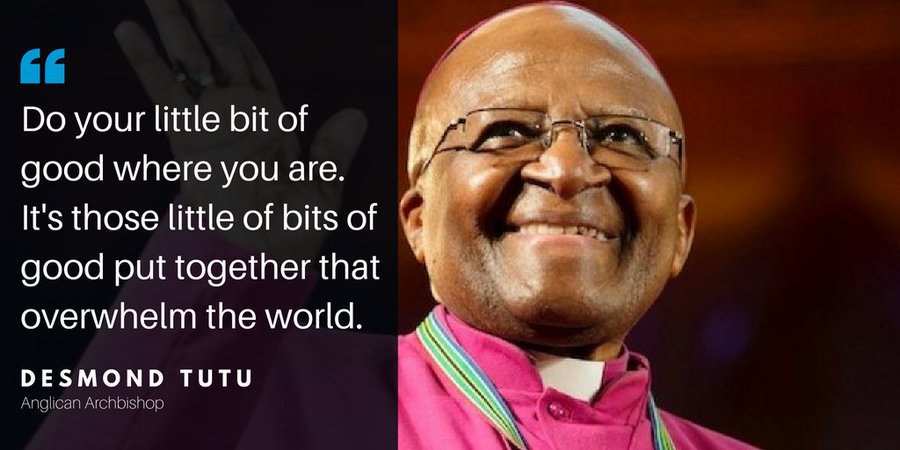
I know there are people out there bucking the norm, challenging the status quo. I look for that spark in my patients, and I try to fan it, ignite it further. That’s the little good I can do, I guess. Maybe our little fires will one day light the way to bigger change.