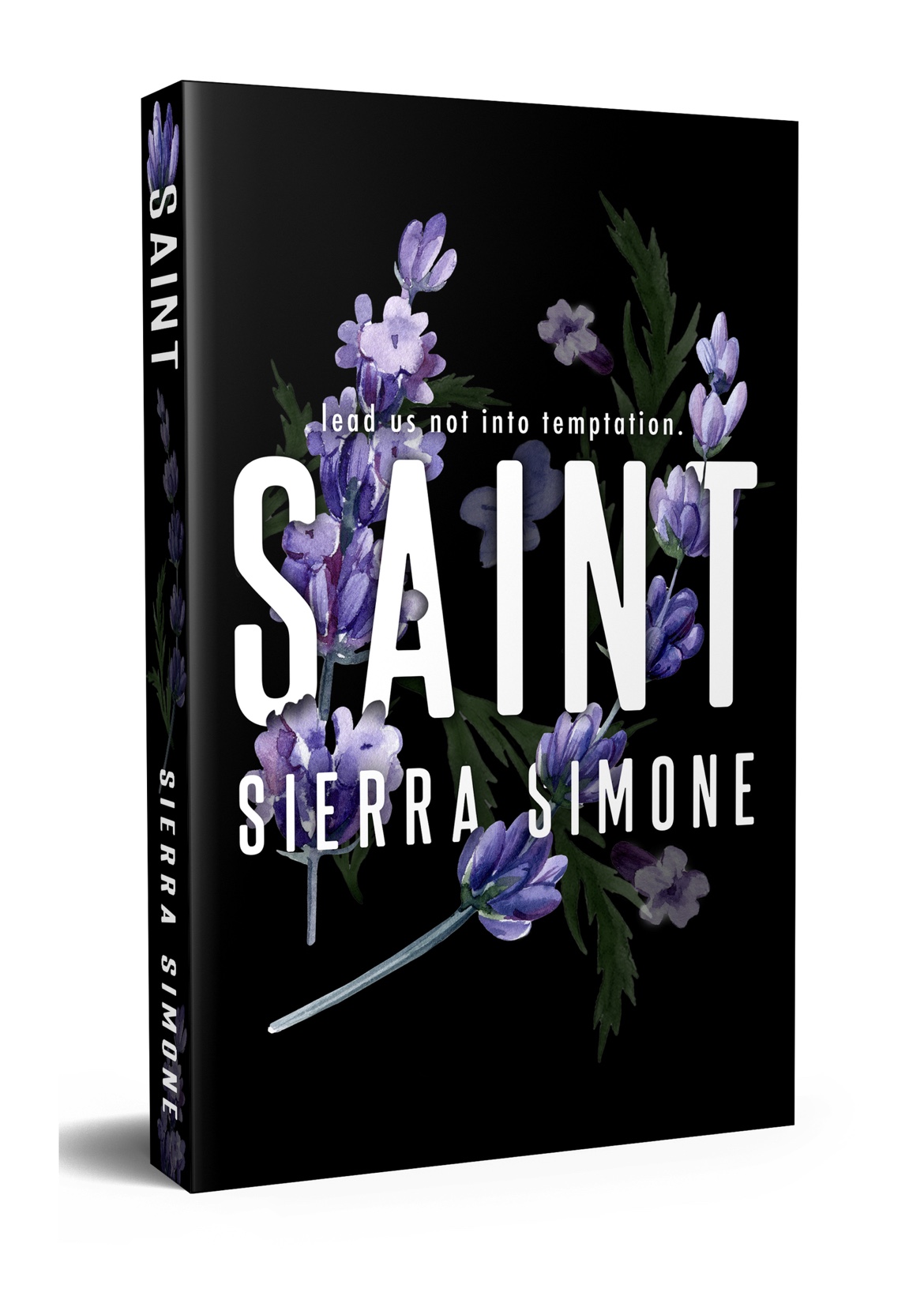
Loving Lessons from Saint by Sierra Simone

My dear friends, thank you for tolerating the continuous gushing about my romance immersion, 12 months now and still going strong! This post is about more than just the smut, I promise.

Disclosure: Spoilers!

My review of Saint by Sierra Simone on Goodreads (MM = male/male):

“Only my second MM romance. Captivating. So empathically and compassionately written, descriptions of the intrinsic experiences of mental illness, moral conflict, honest self-exploration and accountability open listeners’ minds and hearts to the depth of our fellow humans’ emotional, spiritual, and relational lives–with self as well as others. Sierra Simone‘s voluminous and passionate love of and attention to history shine so brightly, and her writing is both utterly sophisticated and completely relatable. Again, as in Sinner, social commentary is rendered gently, if clearly. This book could be read/heard and thoroughly enjoyed simply as sexy, contemporary romance. And with just a little more contemplation, its meaning and impact become so clearly and importantly much, much more.
Jacob Morgan‘s and Sean Crisden‘s performances move and resonate. Morgan’s accents bring us to Belgium and France with vocal ease. The narrators’ expert acting proves that voice alone is enough to convey all we need to know and feel another’s experience.”

OK SO: Sierra Simone. O.M.G, a QUEEN of language and expression, holy cow! Of all the romance authors whose work I have now consumed (and there are so many more, I will not know them all in this lifetime), her voice stands out, rich and vibrant. “…utterly sophistocated and completely relatable”–maybe I aspire to be so, hence my zealous admiration–because while I cannot think of better words to decribe her work, I know she can.

I have now listened to all three full length novels in the Priest Collection and I highly recommend them all. Jacob Morgan narrates with others, and his voice acting is simply superb, so honest and real. Inspired to listen by the Facebook Shaneiaks group live chat with Sierra and Shane East, once again I cannot thank this community enough for broadening my exposure, experience, and insights from fiction! Sierra is known for her explicitly erotic writing, and she describes in the chat how she came to commit, BOOBS OUT you might say, to writing spicy (‘ghost pepper’ level) romance for her own creative fulfillment. It so happens that doing this resonates deeply with readers and listeners everywhere–such a shining example of the far-reaching ripple benefits of open and audacious authenticity. I was moved to tears by Sinner and to deep thought by Saint, to the point of ordering the latter in print to annotate–only the second print romance I own so far.

The thoughts and feelings evoked by these stories almost escape verbalization. Journaling to untangle it all, I could only list the broad topics approached, addressed, probed, and articulated, individually and all intersecting: Racism. Religion. Spirituality. Grief. Blame. Conflict. Paradox. Love. Lust. Intimacy. Self-delusion. Fear. Shame. Communion. Self-love. Self-compassion. Honesty. Reconciliation. Peace. Commitment. Flexibility. AND. Reformation. Relationship, omg: Parental. Fraternal. Platonic. Romantic. Intimate. Carnal. Spiritual. Intellectual. Multidimensional. Eternal. It’s all an intense, existential jumble, yet conveyed wholly and elegantly in a couple hundred pages of writing, through only dialogue and narrative. Amazing.

The Catholic Church. Simone notes at the beginning of Priest: “I spent the majority of my life in the Catholic faith, and while I’m no longer Catholic, I still have the utmost affection and respect for the Catholic Church… That being said, this novel is about a Catholic priest falling in love. There is sex, more sex, and definitely some blasphemy. (The fun kind).” Her attitude toward the church is respectful, even reverent, as she clearly acknowledges its flaws and failures. Her criticism is loving, never disparaging or rude. How would our world be altered if more of us could take this approach to change and justice?

I think I liked Saint in particular because of the courageous and difficult journey Aiden takes toward integration–to know that he may carve a unique and unprecedented path to being wholly devoted to God without sacrificing any part of himself. I wanted so much for him to embrace that infinity loop of polarity navigation–self-acceptance and independence from dogma and wholehearted communal spiritual participation. Simone’s portayal of church leaders, always local and in personal relationship with the heroes, is so empathetic–they exemplify the ideal spiritual leaders and pastors–helping people through their personal conflicts and crises with love, compassion, humility, and non-judgment.

Characters on journeys to becoming their whole selves, loving each other in the process, helping each other self-actualize–is that what moves me? Isn’t that what heals? In the context of a social structure that has so much of its own paradox–such profound benefits of faith and community and also radically high risk for severe dysfunction, omg… Is there an institution other than religion, that harbors such gaping potential for both healing and harm?

Simone shows how to maintain a loving, open perspective, accepting both poles of the Church, by writing how three brothers in one family react to the same trauma (sister sexually assaulted by priest, later dying by suicide)… Her books do not generalize, dehumanize, demonize, or judge anyone or anything in broad strokes. She does not throw anyone or anything away, nor does she dismiss, excuse, minimize, or deflect. The novels don’t necessarily explore deeply–or I should say explicitly? They are not political or sociological commentary at their core. But through the characters’ struggles and stories, we get to consider myriad gray areas and dig, if we wish, patiently and lovingly, into deeper meaning, both collective and individual, shared and private. The characters’ relationships bridge diversity of race, gender, sexuality, and other aspects of humanity; their moments of epiphany, empathy, and connection emerge in gentle starkness, drawing readers/listeners into vicarious, second hand emotional education.

The ancillary characters all play important roles–obvious and blatant in message–necessarily. They remind me of my own role as physician: I get to observe you, my patient, and your life, as a third party. I am not in your life with you, for the most part. I get to stand and walk next to you when you come to me; I witness. I can know you, and you get to control (much of) that. I can only pry so much; you can choose to withhold. And I may still, if I pay attention, see you. Because our relationship is low-stakes and imbalanced (my role is only to survey and advise, much like the mentors, teachers, and pastors in these stories), I have the freedom to speak frankly, objectively, and lovingly… You may receive my advice more openly than from loved ones because of my credentials and the nature of our relationship. What a fascinating and meaningful privilege.

I wonder how people reject these stories–what do they object to, what are the emotions, triggers, rationalizations, and other factors? To me, these stories can be taken as lessons in honesty. Maybe that’s why I love them so much, because honesty is important to me, and barriers to honesty and self-relection can be formidable in the context of such strong, dogmatic social norms as in the Catholic Church, so heavily steeped in ritual, tradition, and institutionalization. Maybe I see these stories as exemplary works for culture change–fiction as vehicle for social movement–duh-HA! Does anyone expect that from romance? It’s unexpected and, I think, deliciously subversive. Such artful integration, BRAVA. More, please.

God bless Sierra Simone and authors everywhere and in all times, who make us think, feel, and connect, to be and do better.

The Most Meaningful Feedback

“I see you.”
“This is what you mean to me.”
“This is what I wish for you.”

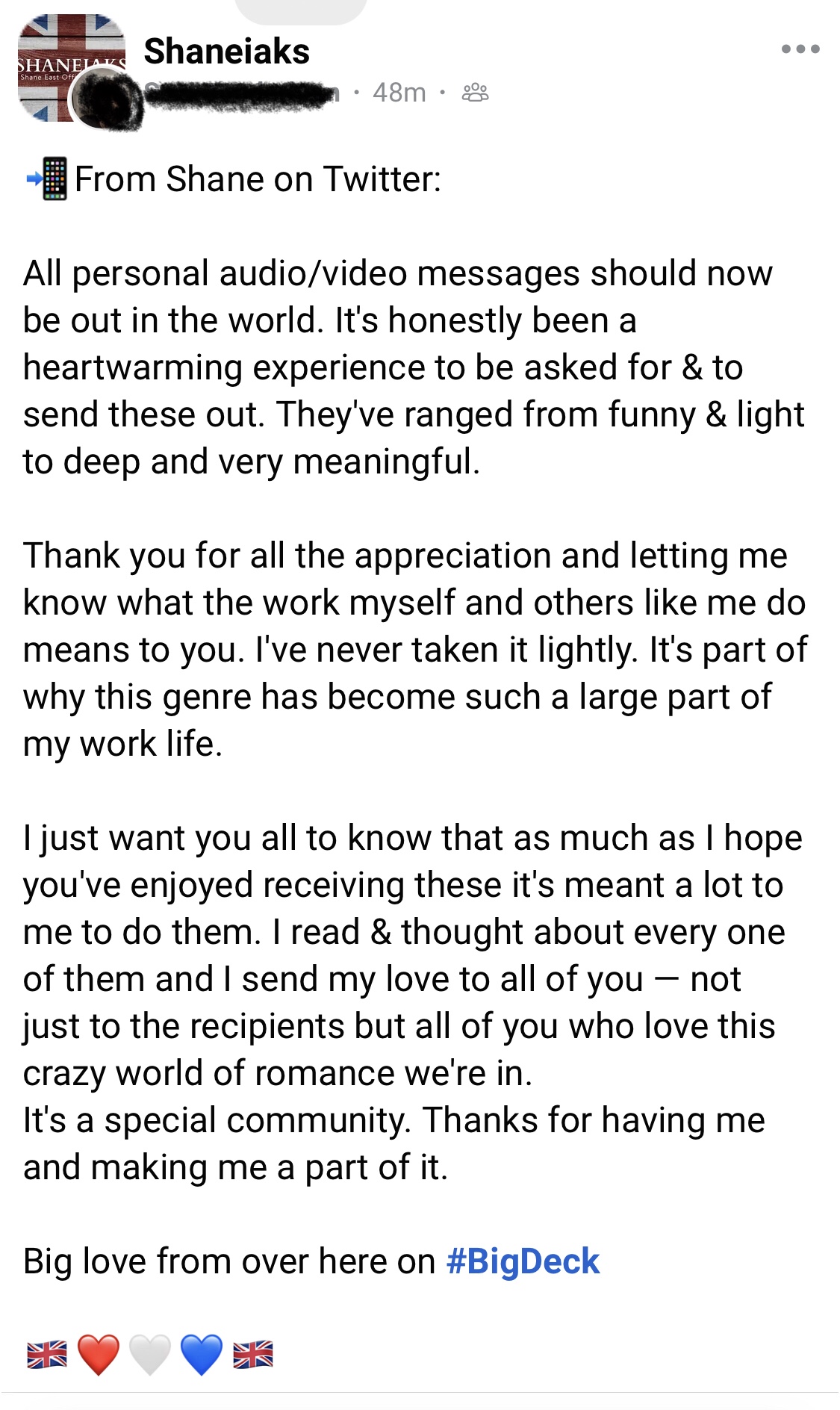
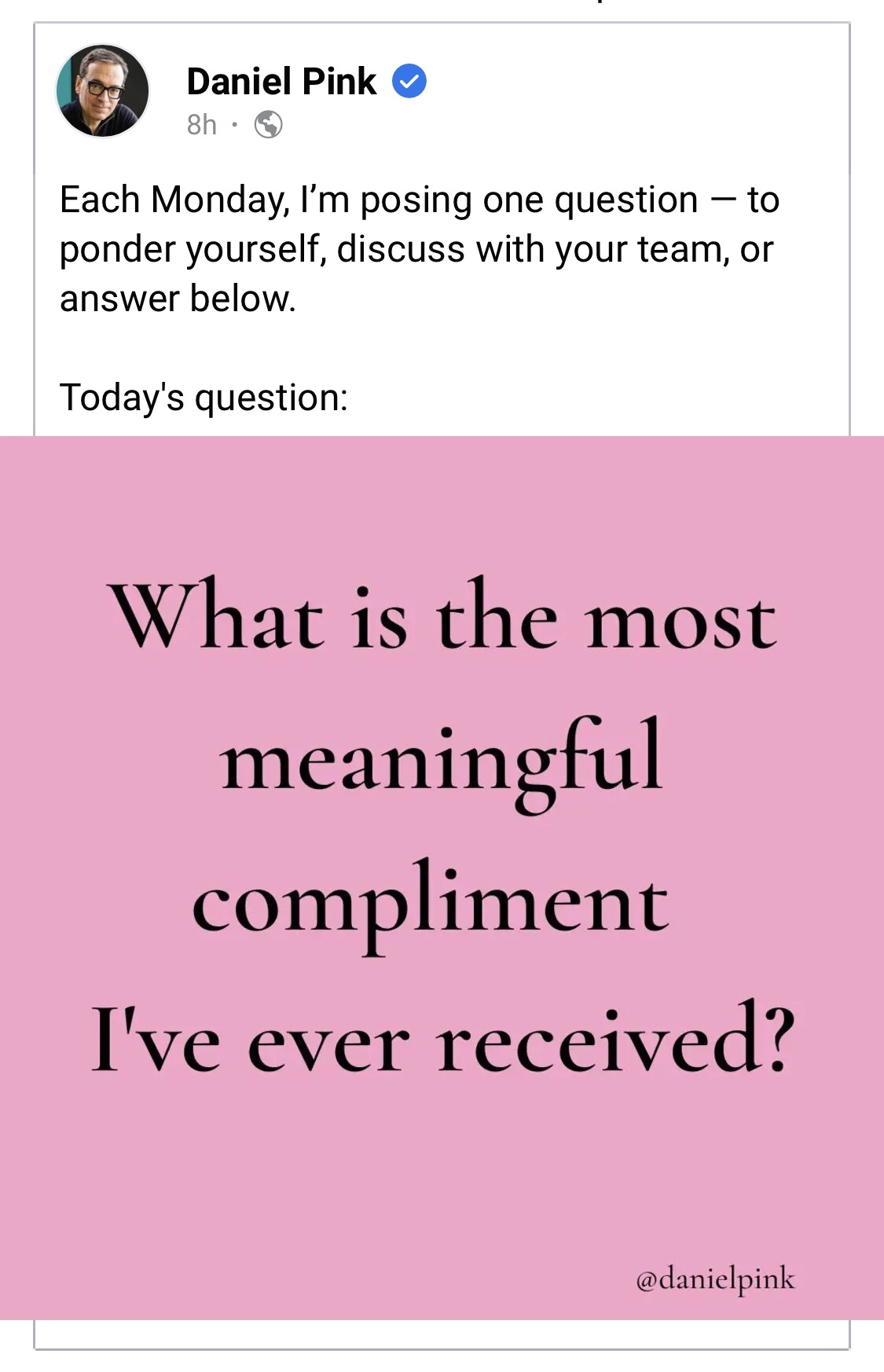
It started last week with this post on Facebook:

“I feel safe opening up to you… You’re like my therapist.”
“You express my thoughts better than I can.”
“100% hell yes! Thank you for picking up on that!”
“That’s a really good question.”
“You make me want to be a better person.”

I thought of the last one first, as that may be the most meaningful compliment I’ve ever received. Both the compliment and the person who gave it mean so much to me. I took a few minutes to think of other meaningful compliments, ones that stick with me through the years, that hold me up. From the examples above, a pattern emerged: They make me feel the most seen. My highest goal in any encounter, and certainly in all ongoing personal and professional relationships, is to connect–the more deeply, the better. When you express that you feel seen by me, then I have succeeded. I feel reciprocally seen by you and it nourishes me, tightens our bond, and keeps me engaged, continuing to honor this core value in all encounters and relationships, despite obstacles, setbacks, and cultural messages of relational futility. It is the ultimate virtuous cycle.

These expressions are not just compliments. They are feedback to be processed, integrated, and then manifested, evoking more cycles, all on my iterative and adventurous journey toward my best self.

Ozan Varol may be one of my favorite people. This is my 24th post that references him or his work. I respect and admire his growth mindset, humble confidence (which I think is slightly different from confident humility), and commitment to relationship. Even as his following grows ever larger and faster, he still replies to all of my emails (I try to keep them concise and relevant).

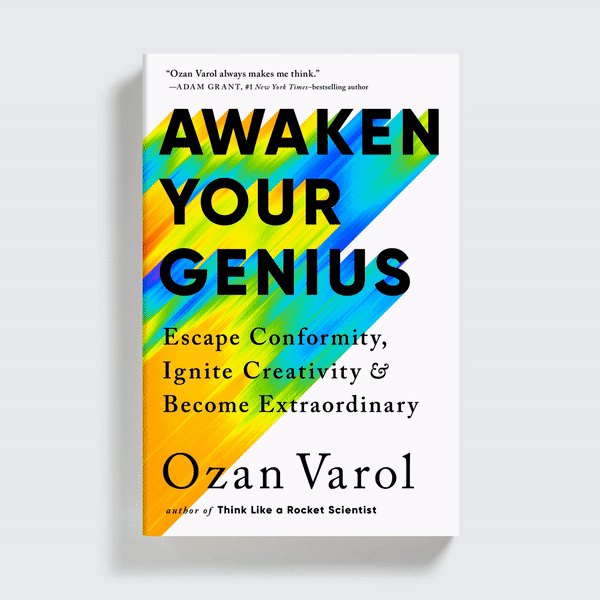
Ozan’s second book, Awaken Your Genius, is out today, wooo hoooooo! It was the first book I ever read on my phone, an advance copy, and I loved every ‘page’. What he offers:
“You’ll learn how to discard what no longer serves you and discover your first principles—the qualities that make up your genius. You’ll be equipped to escape your intellectual prisons and generate original insights from your own depths. You’ll discover how to look where others don’t look and see what others don’t see. You’ll give birth to your genius—the universe-denter you were meant to be.”
What I got, and will reread to get again and again as needed:
Reassurance, validation, confidence, comfort, and moral support.
I wrote him a long email listing what it all means to me, and what I especially appreciate about his work. In particular, “I hear you in my head as I read and it feels more informal, more fun and casual, and also no less credible and earnest than the Ozan I know. Did you feel like you were writing *even more as yourself* this time than last? It feels that way to me.” He replied, “100% hell yes!” (see above), that that is exactly what he has been telling people, and it was the best thing I read all day.

Friends, I am still binging romance audiobooks. Shane East is still my favorite narrator, and I found his fan group on Facebook, OMG! 😀 What a fun, open, and loving community! Last month Shane offered to send personalized audio and video messages to fans. I ordered one for Friend, to whom I introduced the genre and Shane’s work some months ago. She bought me his cafe mug when I would not splurge on it for myself, and I thought she’d like a little uplift recording from Our Gentleman, as we Shaneiaks call him. Then I decided to get myself a message for my 50th birthday. In my written request, I summarized what these books have meant to me as a middle aged, perimenopausal, physician mom of a college freshman and a high schooler, and a brand new consumer of romance novels.

I listed my favorite novels and the patterns I saw emerging among them:
“–The heroes are protective of the heroines–I am the eldest of 3 girls and have always wished for a big brother, or someone to be protective of me…
“–Many of the heroes have strong relationships with family, maternal figures in particular… I think there is something in there about core values, loyalty, and secure attachments that I find really comforting in these novels… And maybe I relate to the mom characters, too, since my only son just moved 1700 miles away?
“–The romantic relationships are often unconventional. They validate my desire to question and challenge social norms that stifle the wide diversity of human relational needs, including sexual ones, and how they may evolve over a lifetime. These novels help me stay out of the ‘shoulds’ and recognize that health and happiness in any given relationship are defined by the people in it, much more than society’s gaze on them.
“Finally, I really value how romance novels help me understand myself and my own relationships better, all while letting me escape and live vicariously…”

The descriptions flowed out of me spontaneously, and I felt relieved having articulated it all. I had to think at the end about what I wished for him to say in the recording, finally landing on this request:
“Shane, maybe your message to me can just be a personal response to this?  I would love to hear how you feel, knowing this about a (listener), knowing how your work resonates with someone so personally, knowing that your voice and your characters hold someone up through their own personal challenges and inner work?  You are a celebrity, someone I am unlikely to ever know personally, and yet you occupy an important and unique place in my life experience. How does that feel for you? Thank you for what you do!”

Audio messages dropped this past weekend, and Friend and I were both floored at their utter realness, the easy and loving way he responded to my requests (I ended up purchasing a second one for myself, a reading of one of my favorite writings since high school, Desiderata by Max Ehrmann). He expressed what he wrote in his tweet, saying how meaningful his work is because of the feedback he gets regularly about its impact on his audience. He addressed my personal reflections with compassion, humor, and personal anecdotes of his own. Once again, I felt seen. On top of that, I actually felt loved–not in a romantic groupie-rock star way, but rather in the way I understand agape love–in shared humanity and a deep desire for us all to thrive, manifesting in our work and relationships. As I sat with the feeling, absorbing, soaking, basking in the warmth, all I wanted was for that sense to be visited back on Shane tenfold–for him to be happy and well, surrounded by love. So I wrote a message on his website telling him so. I bet his server is on the verge of collapse from all the feels via email.

The most meaningful feedback: I see you. This is what you mean to me. This is what I wish for you.

How many different ways can we gift this to one another today?

We Should All Listen to Romance Novels

[Note: this post discusses only binary, cis-gender, heterosexual romance, as that is the genre I currently consume.]

Buckle up, friends, we are taking a ride!!

Okay so never in a million years would I have guessed or predicted that I would binge romance audiobooks, and yet here I am. I have finished 46 books in 8 weeks–omg that’s almost one a day, holy cow! And that does not count the ones I have repeated!

Every year I have a brief period when I get a little tired of intellectual non-fiction. Here in 2022 it happened about 3/4 of the way through A Republic, If You Can Keep It by Neil Gorsuch. I finished eventually, and highly recommend it–he reads it himself; you can kind of space out during the pedantic parts, and still get to know him (a little) and his jurisprudence (at least a little). I especially recommend it for my progressive friends; but that is for another post.

During these cerebral time-outs, I scroll around on my Audible account for fun books included in my membership. For whatever reason, The Fix-Up by Kendall Ryan caught my interest this time, and it all started there. “Every reader deserves a hot hero and a happy ending,” her website says. Hallelujah, I say!

One of my favorites, and my first recommendation to many friends–great reviews so far!
And Blakely’s novels are generally lighthearted and fun!

Around book #4 my book club met. I debated whether I should tell my new friends what I was doing (how fascinating)–I, the fiction shunner. Then, cosmically, one of them started talking about how she skips over the sexy parts in romance novels she reads, clearing the path for me to share–openly–because I most definitely do not skip the sexy parts! That night I learned a few things: 1. All of my book club friends have enjoyed romance novels; 2. A novel cannot be shelved as romance unless the ending is indeed ‘happy’; 3. There are ‘closed door’ romances, wherein sexual activity is implied, and ‘open door’ ones, which describe it all in detail (my books’ doors swing wide open). Since then, sharing with more and more friends, I have also learned: 4. Romance may be the best-selling book genre; 5. Almost all of my women friends have read them, but we don’t talk about it (still fascinating!); 6. Almost none of my friends can name any cis-het romances written by cis-het men; and 7. None of us know any such men who have read or would read romance.

“Brain Candy.” That’s how one of my friends describes it. It’s pure entertainment, total vicarious escapism. I agree! That’s why we seek it, no? How better and farther to get away from the mundane and stressful grind of responsible, daily adult life? That’s definitely what I wanted.

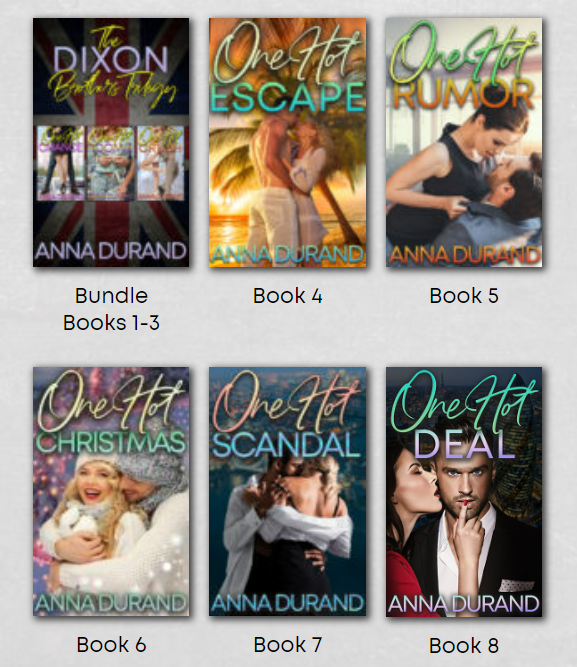
Finished all but Book 8; highly recommend–short, fun books that don’t take themselves too seriously.

It’s all so predictable and formulaic, which I love, because I can just relax and enjoy. The stories all follow roughly the same arc: Immediate attraction. Some obvious, primary barrier to togetherness (distance, prior relationship wounds, age gap, coworkers, some other made up reason). Supportive friends and family who “knew all along you two were meant for each other, duh.” By about 20-30 minutes left you’re home free, no more conflict, just happy ever after. I had never heard the word kismet before now, and it comes up everywhere in this genre. And there is an entire romance novel language–for body parts, sex acts, desire in all its forms! The best books hook you right away with witty banter, engaging premise, or just hot sex. My favorites have smart, sassy, free-spirited heroines, lots of cheeky dialogue, and fun plot twists.

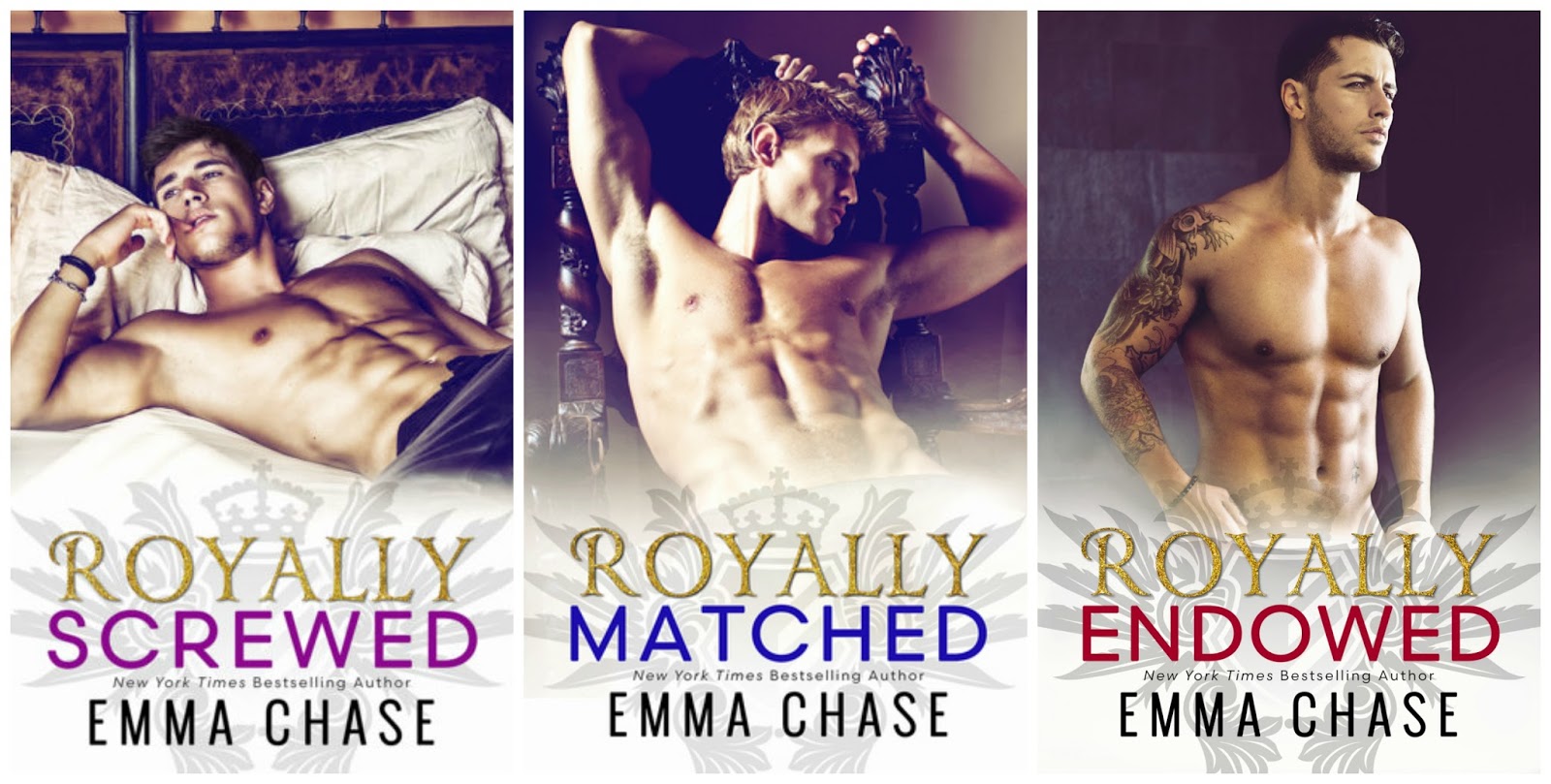
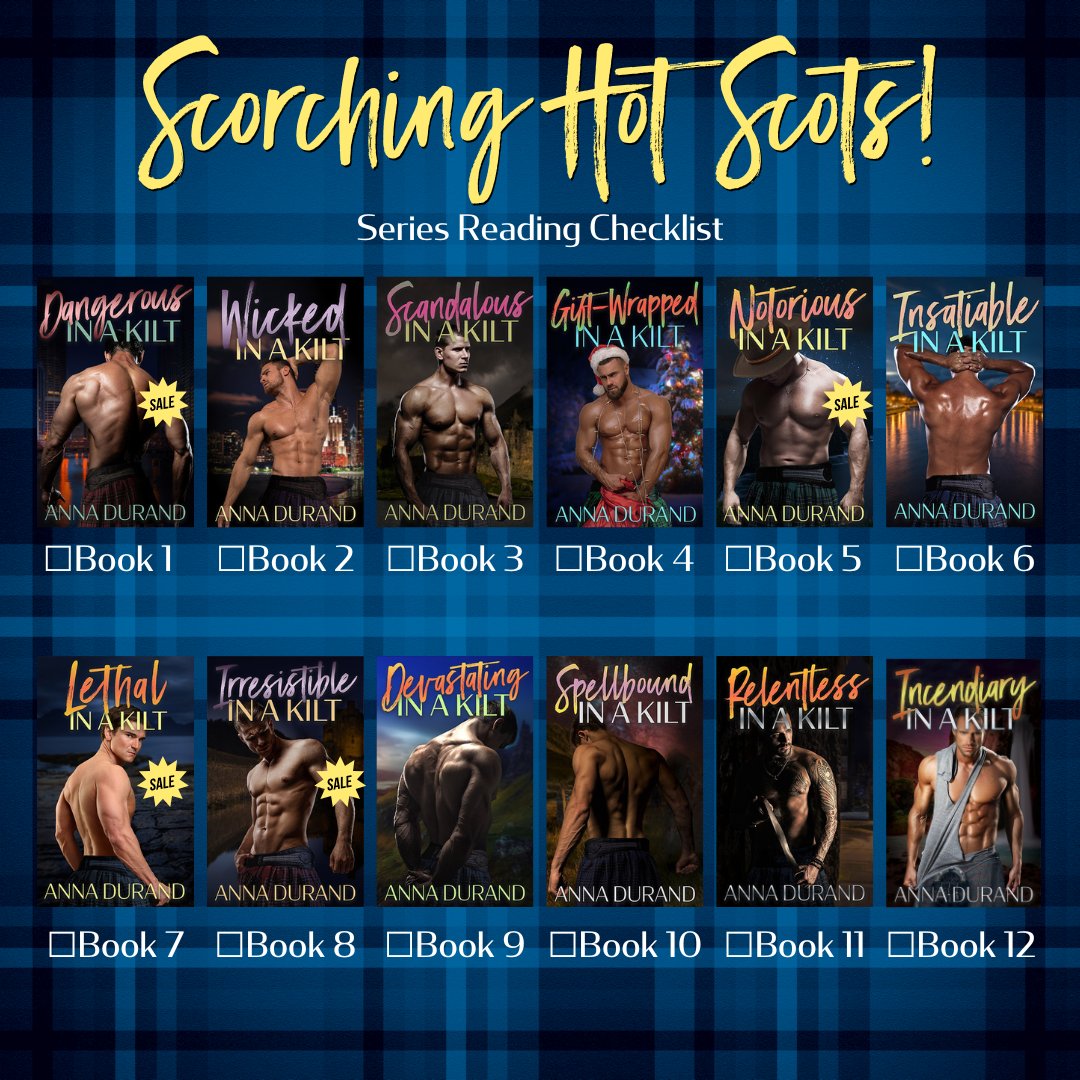
All of these books are stand alone novels, and it’s also fun to read them in series. I loved this set, too.

These books have really refreshed my outlook on life and relationships–that was a total surprise! They remind me what it was like to be in love–that optimistic, impetuous, idealistic promise of a bright future, that whatever comes, we can face it together. It’s us against the world, baby! At book #29 I journaled notes for this post: “…stories that remind us of how we all want/long to love and be loved.” These 8 weeks of romance consumption have, remarkably, cracked the mortar of my cynical emotional turrets, and loosened some heavy armor I did not realize I had accumulated. Yahoooo!

Working my way through these (listening first to all of the ones read by Shane East).

I have shared these epiphanies with two male friends–dear brothers on the thoughtful, relational, self-reflective journey of life. They were so supportive and loving, listening as I marveled and waved my hands. Their eyes widened along with mine when we asked ourselves, what would it take for men to also be able to enjoy these fun, erotic stories that get us women so (energized), and then be able to share about it safely [insert gobsmacked emoji here]?

Because here is what I think makes these novels so important, and why we should all consume them (I highly recommend listening, especially if they are read by Shane East):

Contemporary romance novels celebrate and validate, unequivocally and unapologetically, two things that our culture and society insidiously shame us for:

Women’s libido and erotic sexual desires

Men’s intrinsic need for deep emotional connection

They do this by writing from both partners’ perspectives, describing their honest emotions, inner conflicts, self-delusions, and fears. But since these books are mostly written by women and consumed by women (as far as I know–to my cis-het male readers–do you read [write!?] romance?), I wonder if the male characters I read resonate with men who read them? Hence my query for romance novels written and/or consumed by men…

And they exist, hooooraaaaaaayy!

Turns out, authors Leigh Greenwood, Jessica Blair, Emma Darcy and others are men writing under female pen names (huh–more to unpack there, eh?). Now I have to get my hands on their books–will I relate to their female characters? Many have also pointed me to Nicholas Sparks, so he’s on my list, too. And guys, there’s even an article that lists 7 romance novels to gently set you and your gender on the romance path! “The best thing about romance is that love is for everyone!” it proclaims, and I wholeheartedly agree! What will it take for you to dip (or dive) in? What’s the best thing that could happen?

So there you have it, my unexpected, uncharacteristic (or not?), utterly awesome and ongoing journey into romance audio novels. I’ve never consumed this many books in one year in my life, by a long shot, and I could not possibly be happier about it. Not sure when I’ll get back to the other stuff… (she smirks)