Gratitude

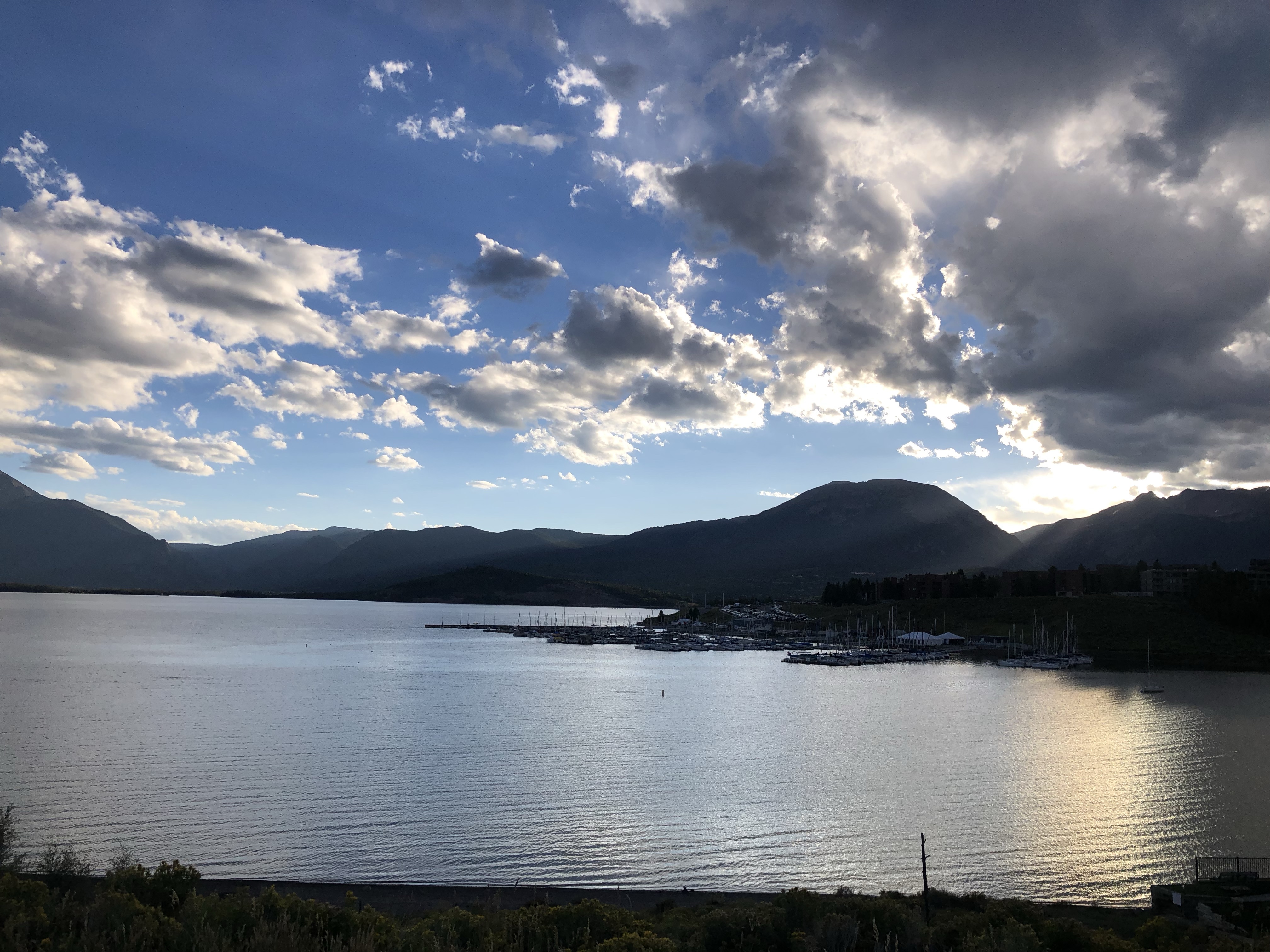
Photo by Eileen Barrett, 2023

What is the opposite of gratitude? Today I think of it as taking things for granted. Because isn’t that what often triggers gratitude, when the deep meaning and value of everyday things suddenly hits us in the face, and we realize how we have not fully appreciated or reveled in any of it recently? I don’t write this to shame anybody, or to make us feel guilty for being ‘ungrateful.’ I often find contrast and comparison a helpful way to solidify an idea or learning. Happy Thanksgiving to all who celebrate, and to all who do not, may this day and all days bring meaning and connection anyway! Onward:

How do I do gratitude well already?
–Like mindfulness, my gratitude practice is more informal than formal. That said, it is intentional and strong. I express gratitude often and readily; I feel it more frequently than I can say, and often more deeply than words can convey. I’ve also reflected on it long and continually; an early post on this blog, one of the original thoughts I most wanted to convey at the outset in April 2015, described the relationships between gratitude, generosity, and peace. Rereading it now, I still endorse it all, and then some.

How could I do better?
–ACK. Everything that I could do better in gratitude circles back to my most difficult relationships. DAMN. I suppose we each/all have our highest walls, the greatest inner challenges–the primary work of a given lifetime. *sigh* Funny, I was moved yesterday to journal more intentionally about what I take for granted, and my gratitude needle moved some. So more of that, maybe: a regular discipline around that for which I resist gratitude. How fascinating.

How does society already do gratitude well?

Not just lip service. I have written before that Thanksgiving feels contrived to me. I feel this less now than in 2016. Many people really do take this season, and this day in particular, to reflect more deeply in gratitude. My impression is that this grateful sense also often extends through the whole holiday season. So I wonder, with annual gratitude awareness, what is the cumulative effect and benefit, if any?

How could we all do better together?

Abundance mindset.
I think it’s worth sharing again what I wrote in that post from 2015. Referring to the Zanders’ work in The Art of Possibility:
“Scarcity is when there actually aren’t enough resources to meet everybody’s needs; scarcity thinking is operating as if this were the case, when it really isn’t. Scarcity thinking at its best may foster healthy competition and innovation, and at worst, aggression, indifference, or even violence. In contrast, the Zanders discuss the notion of abundance. If we lived and operated in a world we assumed to be abundant, or at least enough for our needs, what would that look like?
“…That peace that comes with thankfulness is the antithesis of scarcity. 
“When we practice gratitude, we practice peace. We exude it. It manifests in our expressions and actions. Gratitude makes us creative, by lifting the need to hoard and compete. We come together, collaborate, look for our common passions and visions. We offer more of ourselves to others because we have faith that they will do the same. We know because they did it before—that is why we are grateful.”

Make it part of who we are.
I also referenced David Brooks’s article on gratitude that year:
“…people with dispositional gratitude take nothing for granted. They take a beginner’s thrill at a word of praise, at another’s good performance or at each sunny day. These people are present-minded and hyperresponsive.
“This kind of dispositional gratitude is worth dissecting because it induces a mentality that stands in counterbalance to the mainstream threads of our culture.
“…people with dispositional gratitude are hyperaware of their continual dependence on others. They treasure the way they have been fashioned by parents, friends and ancestors who were in some ways their superiors. They’re glad the ideal of individual autonomy is an illusion because if they were relying on themselves they’d be much worse off.
“Gratitude is also a form of social glue. In the capitalist economy, debt is to be repaid to the lender. But a debt of gratitude is repaid forward, to another person who also doesn’t deserve it. In this way each gift ripples outward and yokes circles of people in bonds of affection. It reminds us that a society isn’t just a contract based on mutual benefit, but an organic connection based on natural sympathy — connections that are nurtured not by self-interest but by loyalty and service.”
So eloquent, that man, I admire him so much.

So, I’m still not all in on Traditional American Thanksgiving. One of my life goals is still to never cook a turkey. I do not oppose gathering, reflecting, communing–I love all of these things—any time, any day, for any reason, actually. Whatever we are doing this Thanksgiving, my wish for us all is that it’s meaningful, nourishing, and fulfilling. And if not, well, we can be with that too, and I wish that we may not suffer too much or unecessarily.
Peace and blessings on you all, my friends.
So grateful for this platform and opportunity to connect.

If you’re looking for something inspirational, listen to Granted, by Josh Groban.

Love

AIYAH LOVE!! *sigh* Let’s see, romance, presence, leadership, accountability, integrity, forgiveness, self-compassion, relationships–the majority of my topics this month overlap deeply with love. And of all the practices I address these thirty days, is there any more important? What are we humans without love? The word is overused, perhaps, and yet every time I hear or say it, I can still choose to ascribe the deepest meaning, thereby reminding myself how it guides me, makes me better, helps me be the person I want to be.

How do I love well already?
–I’m pretty full of it–love, I mean–and it exudes. In some circumstances I am much more reserved about expressing, and even then I’m always looking for opportunities and maximizing within existing constraints. And I’m getting more expressive with age. As life gets shorter, I feel more urgency for those I love to know and feel it unequivocally.
–I relish and amplify the love I see, hear, and feel around me. I endorse fluidity between platonic, romantic, sexual, intellectual, spiritual, and other manifestations of love. Love, in my opinion, is bigger than our rational minds can comprehend or define (though our efforts to do so reward and connect us!), thus I am open to any and all of its authentic manifestations.

How could I do it better?
–I don’t always hold love first and in front in dealing with people. It’s easy with people I like and when circumstances are easy. I’m getting better with people I dislike, and when times are hard.
–I can make mindful love, both inward and outward, a more formal practice and discipline. Just like a parent can only be as happy as their saddest child, I bet we can only show up as loving to others as we do to ourselves.

How does society love well?

Examples Abound. Considering what a sh*tshow the world is right now, we could not be blamed for thinking there is no love anywhere anymore, or if there is, it’s overtaken by anger, hate, and violence. But I bet you could name at least five examples of visible and palpable love in your own life right now. So what is up with that? How can we be loving between family and friends, and also dehumanizing and utterly toxic in other contexts? Just think if we all gave one another, individuals and groups alike, a little benefit of the doubt, made more generous assumptions, and really tried to walk in other people’s shoes? It’s simple in theory, very difficult in practice, and well worth the effort, I think.
My media feed shows me organizations that exemplify love, rather than news. I’m so much better for it. Some examples, in case you’re interested:

Upworthy. A subsidiary of Good Worldwide: A “B-corp social impact company with a global audience of over 150 million people. Since 2006 Good Worldwide has been on a mission to empower people and organizations to be a force for good, together.”
More Love Letters. Submit a request for snail mail love letters from around the world for your loved one having a hard time right now. Better yet, write them to someone else! 5 recipients chosen every month. You still have time to write to the November crew.
Elephant Journal. “We’re dedicated to sharing the good life beyond the choir, and to all those who didn’t yet know they give a care about living a good, fun life that’s good for others, and our planet. The mindful life is about yoga, organics, sustainability, conscious consumerism, enlightened education, the contemplative arts, adventure, bicycling, family…everything. But mostly it’s about this present moment, right here, right now, and how we can best be of benefit, and have a good time doing so.”
Charities. The Greater Chicago Food Depository. The Food Bank of the Rockies. So many groups doing good. If you don’t already have ones you love, study these three sites to find ones that align with your values and are legit.
Communities. In 2023, as I have written repeatedly, my romance novel and fitness communities have transformed my life. I honestly do not think I would/could have committed to writing a book without the support and love of these amazing folks. What communities do you love, and love you back?

How could we all do better?

Meet Unlove With Love. The more disciplined each of us can be about leading with love, the less we can be baited into heated argument, pointless debate, and mutual agitation and separation. People do not lash out when they are well. Name calling and dehumanizing in response to their negative behaviors helps nothing and nobody. Breathe deeply, bite thy tongue. Reverse that excellent mantra: Take no shit, and do no harm.

Play the Infinite Game. Showing love in your next encounter with a stranger will not solve the world’s problems. Doing it with every person you meet next year, and for the next ten or fifty years, will not itself bring about world peace. But if you and I do this, which then encourages those we meet to do it also, we can bet that we are not contributing to the world’s problems. This practice among others gives me inner peace, which allows me to keep playing, to stay in the game of making the world better, much longer than if I burn out from cynical exhaustion and pessimism.

Of these twenty posts so far, I feel the most lighthearted and uplifted writing about romance and love. Huh, fascinating. It’s about hope, I think. Deep emotional and psychological connection, bonds that we actively choose to cultivate and sustain–these things give my life the most meaning, purpose, and reward. How awesome.

Mindfulness

Photo by Lyra Luu, Schalenbrunnen im Botanischen Garten, Munich, June 2023

I count 47 posts on this blog when I search ‘mindfulness.’ I talk about it almost every day with patients. Of all self-care practices I have acquired over the years, I think this is the most useful. Funny how I did not list it in the stress management post this month? Maybe because I see mindfulness as a way of being more than something I do? It really does bring me peace, for which I am both grateful and proud, as I have trained long to gain its benefits.

If you’re not yet familiar, I recommend starting at www.mindful.org. From their site:

“What is mindfulness?

“Mindfulness is the basic human ability to be fully present, aware of where we are and what we’re doing, and not overly reactive or overwhelmed by what’s going on around us.

“While mindfulness is something we all naturally possess, it’s more readily available to us when we practice on a daily basis.

“Whenever you bring awareness to what you’re directly experiencing via your senses, or to your state of mind via your thoughts and emotions, you’re being mindful. And there’s growing research showing that when you train your brain to be mindful, you’re actually remodeling the physical structure of your brain.”

Ok so, how do I already do mindfulness well?
–I have a strong informal practice. Often and at any given moment, I drop (or rise) easily into awareness of my environment, the people around me and their signals, and my own physical, mental, and emotional sensations. Even when it’s uncomfortable or painful, I can hold it loosely, with openness and curiosity. I wonder how many times a day I say or think, “Huh,” “What is up with that,” and “How fascinating”? This leads me often to novel questions, which I then express to others, engaging in unexpected ways, which is almost always more rewarding that I anticipate.
–My practice helps me be present to others as they need me. When I attend to what is, resisting the pull toward what I want or what I think should be, I can empathize, validate, and reflect with others, rather than go straight to problem solving, which is seldom what people want or need.
–Mindfulness makes me a more sensitive and agile speaker. As words and expressions form in my head and exit my mouth, I monitor their intent and impact in real time. I speak quickly and at times with sharpness and irreverence, but more often with kindness and passion, and rarely without thought to every word. Is that mindfulness or conscientiousness? Probably something mutually entwined?
–I lead by example. People say they feel peaceful around me, that I have a calming effect. I attribute this to my ability to be with whatever is, in the moment, without (or with minimal) judgment, together with others.

How could my mindfulness practice be better?
–I could establish a formal sitting practice. A daily session of breath and awareness, a mental discipline to quiet the monkey mind, to strengthen my parasympathetic nervous system, would likely make me healthier in all domains. I’m just not quite moved yet to commit. But maybe if it helps my writing…
–I could read more of the masters’ works: Jon Kabat-Zinn, Thich Naht Hanh, Sharon Salzberg, Pema Chodron. Then I’d be more knowledgeable, could maybe explain it better to people whom I think could benefit. ..and if it helps my writing…
–Overall I’m pretty satisfied with current state. I faced trials of the last several years with relative equanimity, and the challenges themselves strengthened my practice. I trust myself to know when I need to do more, because I’m mindful enough already to notice.

What’s already good about our collective mindfulness?

Awareness. John Kabat-Zinn developed Mindfulness-Based Stress Reduction (MBSR) as a meditative therapy method for stress management in 1979. I learned nothing about it in medical school or residency. I’d say the first ten years of my career, mind-body medicine was still considered fringy; colleagues would stare blankly or even roll their eyes when I talked about it. Today mindfulness and other techniques of meditation and mind-body practices live in the mainstream, their benefits available to everybody, and fewer people feel self-conscious about participating.

Language. “Be with what is.” “Hold the space.” “Withhold judgment.” “Breathwork.” One could say that mindfulness lingo has infiltrated our general vernacular. Good. These concise phrases can moor us to a mindset of alert and relaxed presence, which makes us calmer, less impulsive, more attuned, and healthier. Words matter; the more we can use them for mutual de-escalation and connection, the better.

Connection. As mindfulness gains awareness and its expressions spread, fellow practitioners can connect more easily in any forum. They become magnets for yet others, and communities form around this attentive way of being which, nourished by strong ties, makes us better leaders by example wherever we go, to whomever we encounter. Jeez, I’m making it sound like a cult.

How could we do better together?

Teach Mindfulness In School. Mindfulness skills are life skills. Learning breath work, body awareness, and mental discipline in iterative, age appropriate ways prepares children and adolescents to tolerate and navigate an ever accelerating world of volatile change and chaos. It would be easy to incorporate skills practice into play, sports, and academics at all stages of brain and social development.

Incorporate Mindfulness Into Leadership Training. Thinking of leaders you admire, what qualities and behaviors make them great? Mine give me their full attention, make me feel seen, heard, and understood. They emote relatably, easily, and appropriately, and also carry themselves with steady, unflappable confidence. They name what is with clarity, desireable and/or not, and hold it peacefully while working consistently for change and improvement. They are honest. Thus they attract and inspire followers rather than coercing them. Healthy mindfulness skills and practice amplify and maximize relational leadership strengths by grounding leaders in self-awareness and self-regulation as foundation for outward action.

Just writing about mindfulness lowers my respiratory rate and helps me attune to myself and my surroundings better. I feel gratitude and peace, confident in my ability to face and manage whatever comes around the corner, satisfied that I have lived the present moment to its fullest. I have very little to regret if I can keep this up.